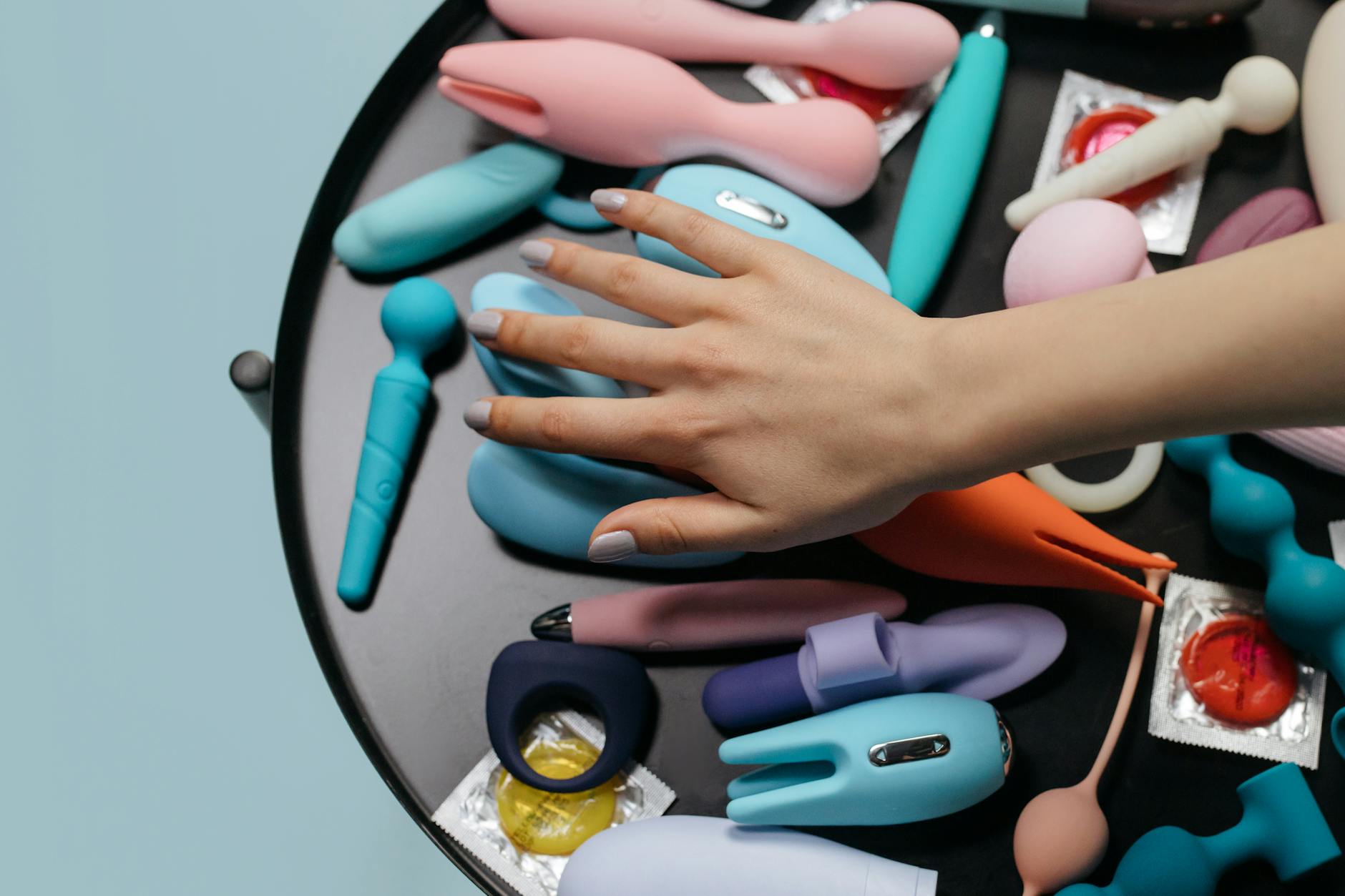
Let's be real about the awkward part
Introducing a lemon vibrator to a partner feels scarier in your head than it actually is. Most people catastrophize the conversation, imagining rejection or hurt feelings. What actually happens in the room is almost never that dramatic. The real friction is usually just not knowing where to start.
I've watched hundreds of couples navigate this, and the ones who do it well follow a pattern. Not a script, but a framework. The difference matters because scripts feel rehearsed. Frameworks feel like you.
Why this conversation matters more than you think
This isn't about the toy. It's about consent, curiosity, and whether you can ask for what you want in the relationship. A lemon clitoral vibrator is just the vehicle.
When you bring this up clumsily, your partner might hear "you're not enough" or "I'm not satisfied." When you bring it up clearly, they hear "I trust you enough to be honest about what I want." Same toy. Completely different message. That's why the framing is worth getting right.
Most of my clients are surprised how relieved their partners feel after the conversation. Relief that the relationship can hold honesty. Relief that pleasure is on the table as something worth exploring together.
The setup conversation (do this first)
Don't spring this during sex. Don't hand them a box wrapped in tissue paper. Do have this conversation when you're both clothed, fed, and not rushed. Bathroom before bed doesn't count. You need maybe 20 minutes of actual time.
Start with something true and small. "I've been thinking about something and I want to run it by you," works. Or, "I read something that got me curious, and I want to talk about it." Your partner's brain will probably jump to worst-case scenarios for about three seconds, so get to the point quickly.
"I've been interested in exploring more during sex, and I think a clitoral vibrator might be something I'd like to try. With you. I wanted to see how you felt about it."
That's it. Three sentences. You've named the thing, framed it as partnered play, and asked for their input. Now you stop talking and listen.
What they might say and what it actually means
If they say "Sure, let's try it," they're either genuinely interested or they're saying yes to make you happy. Both are fine starting points. The conversation continues naturally from there.
If they say "I don't know, I've never thought about that," that's actually ideal. It's honest. You can say, "Want to think about it? No rush." And then let it sit for a few days. People often warm up to ideas when they're not in the moment of asking.
If they say something defensive like "Am I not enough?" or "Do you want someone else?" they're hearing it as a criticism of them. This is where clarity helps. "This isn't about you. I know what I want with you, and this is part of that. I'm trying to tell you something about what feels good to my body."
If they say no, that's a real conversation. Not a rejection you accept silently, but something to explore. "What's making you hesitant? Is it the idea of the toy itself, or is it about changing what we do?" Sometimes it's discomfort with something specific (vibration level, insertive vs. external, cost). Sometimes it's deeper stuff about fantasy or control. But you can't solve it if you don't know what it is.
The research phase (do this together)
Once they're not running away, do something that feels collaborative. Show them Hello Nancy's site. Read reviews together, or just talk about what you're curious about.
This normalizes it in two ways. First, you're not sneaking around. Second, your partner sees that thousands of people are having the same conversation. It stops feeling like a weird edge case in your relationship and becomes a normal thing couples do.
You might say, "I'm thinking about a lemon vibrator because it works differently than other toys." Explain what you've learned. How a clitoral vibrator uses suction instead of just vibration. Why that matters to your body. Make your partner an expert alongside you, not an audience.
If they're hesitant, ask what would make them feel more comfortable. "Would it help to know more about how it works?" or "Do you want to pick it out together?" Some partners feel more bought-in if they're part of the selection. Some feel awkward in that role and would rather you choose. Ask.
The first time using it together
Don't make it a scene. Don't build it up like it's going to be the best night of your life. It might be awkward. One of you might laugh when you're nervous. The thing might feel weird at first. All of that is completely normal.
Set a low-pressure expectation together before you start. "Let's just try it and see what happens" is better than "This is going to feel amazing." You're experimenting, not performing.
Start with what you normally do. Let your partner touch you, or touch yourself, the way you usually do. Then introduce the lemon vibrator when arousal is already building. Not as the main event, but as part of the experience.
Start on a lower setting. You probably know your body's preferences better than they do, so you might say, "I'm going to try a low setting first and see how it feels." Communicate as you go. Not narrating every second, but checking in. "That's good" or "A little higher" or "Let me adjust." Let your partner feel useful and in the loop.
Your pleasure is real and it matters. And it's also not the whole point. The point is that you asked for something, your partner showed up for it, and you're both in the room together. That's what couples do.
What to do if it feels awkward
It probably will, at least a little. Sex gets awkward. You're a human with a body, not a Netflix production.
If the vibe is off, you can say so. "I'm in my head a little, can we restart?" Totally fine. Take a break, laugh, come back to it. Or you might say, "Let's table this for tonight and try again another time." One attempt doesn't define how this will go.
The relationship skill you're building here is the ability to talk about sex without shame or defensiveness. That takes more than one try. Most couples need three or four attempts before it feels natural, and that's completely normal.
The ongoing conversation
After you've tried it, check in. Not immediately after, but sometime in the next day or two. "What did you think?" Give your partner permission to say "I didn't love that" without it being a referendum on the relationship.
Sometimes a partner who was skeptical discovers they really like watching you use a lemon clitoral vibrator. Sometimes they don't, and that's fine too. Sometimes you realize you want to incorporate it differently. All of this is data, not failure.
The couples who have the most satisfying sexual relationships aren't the ones who got it right the first time. They're the ones who can keep talking about it. Who can say "I want to try something" without terror. Who trust their partner to say yes or no without drama.
That's what this conversation builds. Not a perfect first experience with a toy. Just the ability to ask.
People also ask
What if my partner thinks I want to use it instead of them?
Most people land here initially. Frame it directly: "I want to use this with you, not instead of you." If you're using it solo and your partner finds out and feels hurt, that's a separate conversation about secrecy, not about the toy. But if you're being honest from the start, that misunderstanding usually doesn't happen. A lemon vibrator is often a tool for partnered play, especially for people who have a harder time orgasming during standard intercourse. You're not replacing them. You're asking them to help you feel better.
Should I buy it first or talk about it first?
Talk first. Buying it unilaterally can feel like you made a decision without them, which defeats the purpose of the conversation. Once you've talked and they're interested, you can buy it together or have them pick the color, or do whatever makes you both feel like this is a shared thing. The act of choosing together matters.
What if they say they want to try it but seem uncomfortable?
Give them an out. "You don't have to do this. I want you to want to, not just agree to make me happy." And actually mean it. Some partners come around after they sit with the idea. Some don't, and that's information too. You get to make your own choices about what that means for your relationship, but at least you're making them with real information, not assumptions.
Is it weird that I want to use it during partner sex?
No. Many people use lemon vibrators, clitoral vibrators, or other tools during partnered sex because their body needs that kind of stimulation to orgasm. It's not weird. It's your body asking for what it needs. Your partner can be part of that.
How do I bring this up if we've never talked about sex directly?
Start smaller. This conversation is easier after you've had other sex talks. If this is your first real conversation about desire, you might lead with something less loaded. "I've been thinking about what makes sex feel good to me" or "I want us to talk more about what we each like." Once that door is open, the lemon vibrator conversation is easier. You're just continuing a conversation you've already started.
What if my partner brings it up first?
Say yes. Ask questions. Let them lead. When your partner names something they want, that's a gift. Don't squander it by making them feel weird about asking. Even if a lemon clitoral vibrator isn't something you'd thought about, the fact that they're willing to ask means the relationship has room for honesty. That's worth protecting.
The actual point
A lemon vibrator is a small thing. The conversation is the big thing. You're practicing asking for what you want. You're trusting your partner with the truth about your body. You're building a relationship where desire isn't shameful.
Start the conversation. It doesn't need to be perfect. It needs to be honest. Your partner probably wants to help you feel good. They just didn't know how until you told them.