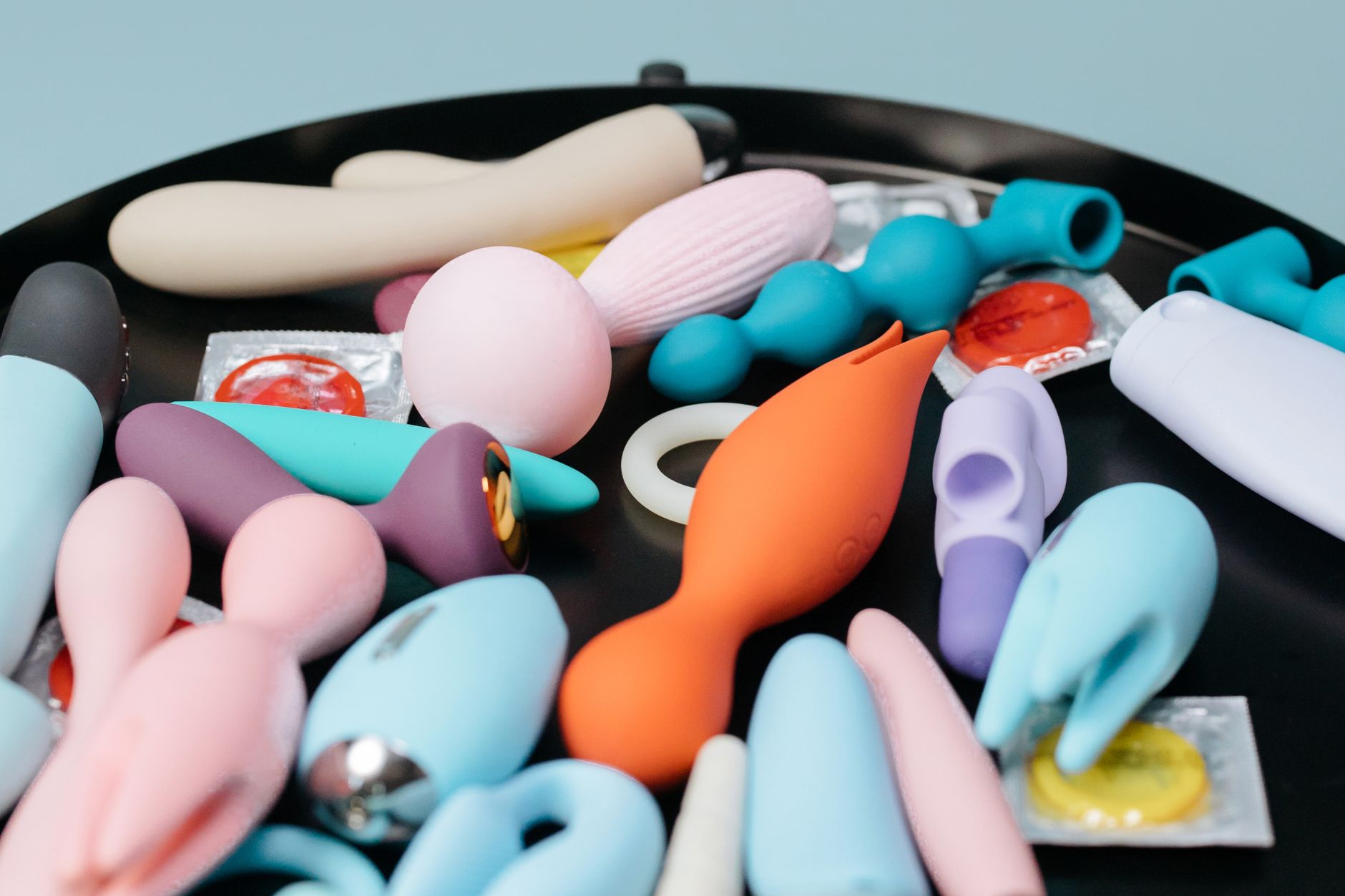
Here's what nobody says about long-term intimacy
You can have sex regularly with someone you love and still feel like nobody's actually being satisfied. That gap, that disconnect between being present together and feeling pleasure together, is one of the most disorienting things a relationship experiences. It's not a sign the relationship is broken. It's actually a sign that two separate nervous systems have drifted so far apart that they've stopped speaking the same language.
When this happens, many couples blame the absence of attraction, fading desire, or just "that's what happens after 10 years." Sometimes. But often what's actually happening is that one or both partners have stopped knowing their own body's signals. And you can't communicate pleasure with someone else if you've lost touch with what pleasure actually feels like for you.
A lemon clitoral vibrator works here not by fixing the relationship, but by doing something more fundamental: it helps you remember what your own satisfaction actually feels like. Once you know that, everything else becomes negotiable.
The specific disconnect that lands couples here
This usually arrives in one of three flavors.
First: you're being touched the way you've always been touched, but it stopped working two years ago and neither of you acknowledged it. You kept the same rhythm, the same pressure, the same everything because change felt riskier than quiet dissatisfaction.
Second: your partner is trying, genuinely, but they're trying to pleasure a body they haven't actually studied. They're working from old muscle memory or fantasy, not from present-tense information about what your nervous system needs right now.
Third: you've become the gatekeeper of your own pleasure. You're managing their feelings about sex, managing the timing, managing whether they'll feel rejected if you ask for something different. Your own sensation has become secondary to emotional labor.
All three of these look like "we're fine, just less into it lately." None of them require couple's therapy. They require you to get reacquainted with what turns you on when nobody else is in the room.
Why solo exploration with a lemon sucker changes the conversation
When you use a lemon vibrator alone, a few things happen simultaneously.
Your nervous system gets permission to prioritize sensation. No performance pressure, no timeline anxiety, no awareness of someone else's experience. Just your body telling you what it actually wants.
You remember patterns you'd forgotten. Maybe you like sustained pressure, not rhythm. Maybe you need a longer warm-up than your partner typically gives you. Maybe the angle matters way more than the intensity. These aren't character flaws or signs of low desire. They're data.
You also get to feel what an orgasm actually feels like without the cognitive load of managing someone else's experience. That might sound simple. It's not. Many people in long-term relationships haven't had an orgasm in years where they weren't also thinking about their partner's pleasure, timing, or feelings.
Once you know what satisfying feels like in isolation, you can actually bring that knowledge back to partnership. You can say "this angle works for me" or "I need more time" or "this pressure is perfect." You're not guessing anymore. You're not performing. You're giving information.
The actual protocol: using a lemon clitoral vibrator to reconnect with your own pleasure
Set intention, not atmosphere. You don't need candles or music or a special hour. You need 15 minutes where you've decided this is for you. That decision is the entire point.
Start with no pressure to orgasm. Seriously. The goal is sensation, not outcome. If you come, great. If you discover that a certain pattern feels incredible without leading anywhere, that's equally valuable information.
Begin with the lemon vibrator on the lowest setting. A clitoral vibrator like the Lem is designed to stimulate without the intensity you might need when you're also managing someone else's pace. Start at pattern 1 or 2 and stay there until you understand the sensation.
Notice what actually happens in your body. Does your breathing change? Do your legs tense in a specific way? Does your mind go quiet or does it race? These micro-responses are the language your body uses to tell you what it's experiencing.
Explore angles and pressure without judgment. Try the vibrator at different positions against your vulva. Try more pressure, less pressure, direct contact, gentle contact around the edges. You're writing your own map. Nothing is "wrong."
Stop when you have information, not when you're exhausted. Five minutes of attentive sensation beats 30 minutes of mechanical repetition. If you've felt something you didn't expect or learned something about your body, you're done.
How to translate this solo knowledge back into shared intimacy
Now comes the part that actually fixes the disconnection.
You don't need a conversation that feels like a performance review. You need to actually show your partner what works. That might look like using the lemon vibrator together during foreplay, so they can see what intensity and angle you're drawn to. It might mean saying "this is what feels good to me right now" while your partner watches or participates.
The key is that you're not asking permission or apologizing for your own satisfaction. You're offering information. There's a massive difference between "I'm not sure if you'll mind, but maybe I could use a vibrator" and "I've discovered that this pattern feels incredible, and I want to include it when we're together."
Many partners feel relieved when this happens. It takes the burden of being a mind reader off them. Suddenly, sex becomes a collaboration where you're both bringing intentional knowledge instead of both guessing.
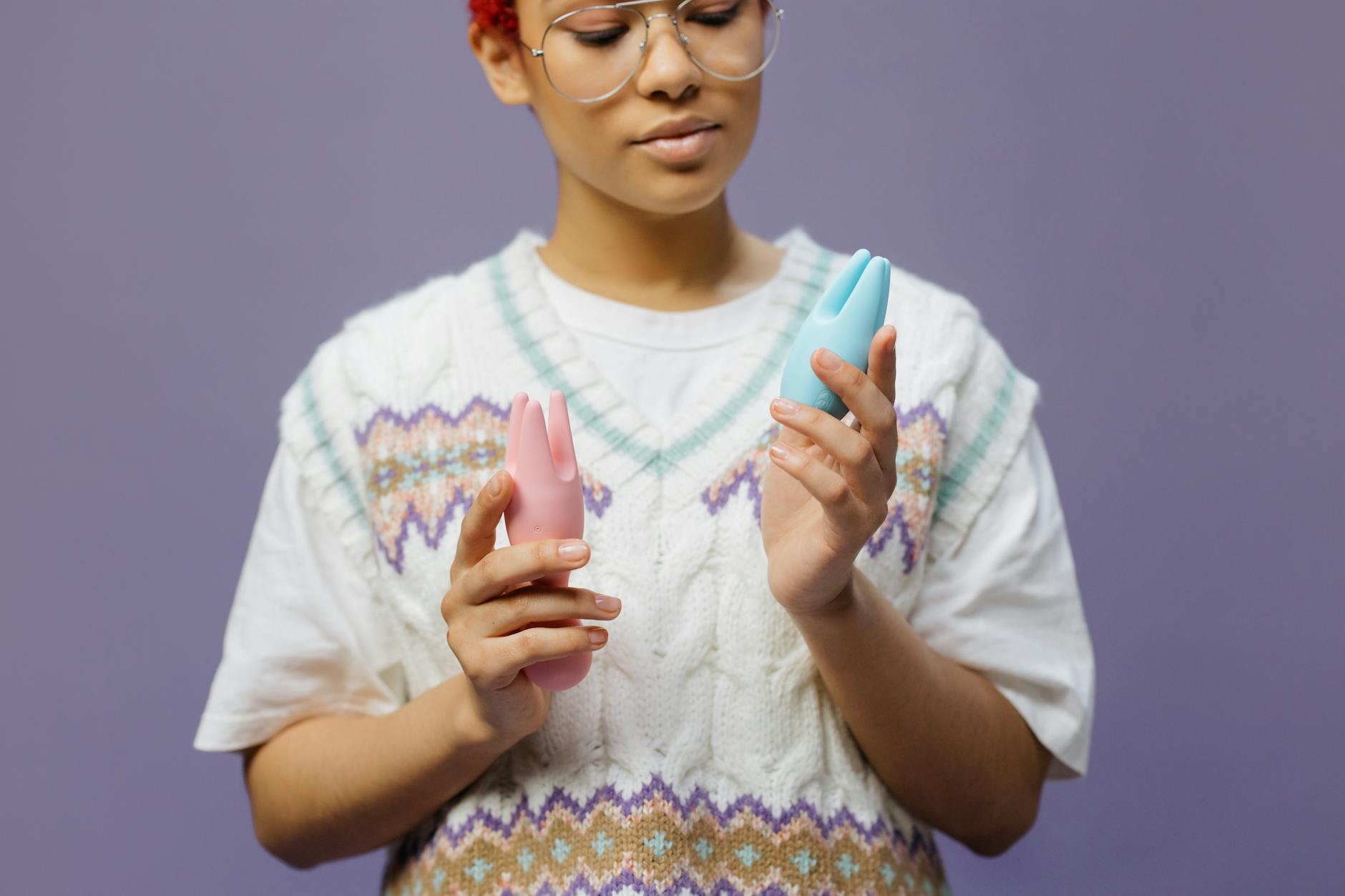
Photo by cottonbro studio on Pexels
When pleasure reconnects, so does everything else
This isn't mystical. It's neurobiology. When your nervous system remembers what satisfaction feels like, your desire naturally increases. You want more of what feels good. Your partner notices that you're more present. You're not performing. You're actually experiencing. That presence is more attractive than any amount of dutiful effort.
Most couples also find that once pleasure reconnects for one partner, both partners' satisfaction improves. Not because the vibrator is magic, but because the whole dynamic shifts. The person who felt disconnected is suddenly engaged again. The partner who felt like they were failing is suddenly getting clear information about what works.
If you've been using a lemon vibrator when arousal feels scattered or hard to focus, you've probably already experienced how solo clarity changes everything. This is the same principle applied to the relationship context.
The disconnection you're feeling isn't permanent. It's usually just a sign that both of you have stopped communicating in the language your bodies actually understand. A lemon clitoral vibrator is one tool for learning that language again. Solo exploration isn't selfish. It's foundational.
When to involve your partner in the process
Some people want to explore solo first and then bring findings back to their partner. That's valid. Others want their partner present from the beginning. Also valid. Some couples find that using a lemon vibrator when exploring pleasure with a new partner applies even to long-term relationships that need to rediscover each other.
The timing question isn't about rules. It's about safety and vulnerability. If you feel safe being vulnerable with your partner, they can actually be part of the discovery. If you need solo time first to rebuild confidence in your own body, that's what you do.
Either way, the outcome is the same. You move from disconnected routine into intentional shared pleasure. That's how you fix this.
FAQ: Reconnecting pleasure when it feels distant
How often should I explore solo with a lemon vibrator if my pleasure feels disconnected from my partner?
Start with once a week for at least a month. That gives your nervous system time to rebuild the sensation memory without becoming routine itself. After a month, adjust based on what feels sustainable. Some people find weekly works forever. Others find that after reconnecting, they naturally want less solo time because partnership pleasure improves.
What if using a vibrator alone makes me feel guilty or selfish?
That guilt usually comes from the idea that your pleasure should only happen in partnership. That's backward. Your pleasure is always yours first. Partnership pleasure is built on that foundation. If you feel guilty, that's worth examining, possibly with a therapist, because it suggests you've learned to prioritize someone else's comfort over your own sensation. That's exactly the pattern that created the disconnection in the first place.
Can I use a lemon vibrator during sex with my partner if I've been disconnected?
Yes, and many couples find this bridges the gap faster. You're teaching your partner in real time what intensity and angle work for you. It also shows them that you're willing to prioritize your own pleasure, which often makes them feel less responsible for generating something they can't control.
What if my partner feels threatened by a clitoral vibrator?
That's a conversation worth having, and it's separate from the tool itself. If someone feels threatened by your pleasure, that's a relationship dynamic that needs attention. A lemon vibrator isn't the problem. The belief that your satisfaction somehow diminishes theirs is the problem. If you can't navigate that conversation, that might be a moment to reach out to someone who specializes in couples dynamics.
How long does it usually take to feel reconnected after solo exploration with a vibrator?
Some people notice a shift in shared intimacy within two weeks. Others take two months. It depends on how long you've been disconnected and how willing you both are to actually change the pattern. The solo exploration is the foundation. The reconnection happens when you bring that knowledge into partnership with intentionality.
Is using a clitoral vibrator a sign my partner isn't enough?
No. Using a lemon sucker is a sign that your body has specific needs for specific types of stimulation. Your partner can't be "everything." A vibrator isn't a replacement. It's a tool that helps you experience satisfaction that then improves your shared intimate life. Think of it like a good pair of glasses. The glasses aren't a sign you don't love looking at things. They're a sign you want to actually see clearly.
The real thing that fixes this
Long-term pleasure isn't about maintaining the same pattern forever. It's about both people staying awake to what their own bodies actually need, and having the courage to say it. A lemon vibrator is one way to stay awake. Solo exploration is the practice. But the real fix is the conversation after, where you bring that knowledge back to your partner and say: this is what I've learned about myself. This is what actually works. Let's build something around that instead of what we've been doing.