Let's be real about desire after the long haul
If you've been in a long-term relationship for years, you already know that pleasure doesn't disappear all at once. It vanishes in inches. First the spontaneity goes. Then the time. Then the touch itself starts feeling like a chore rather than a conversation. One day you realize you can't remember the last time you actually wanted sex, not just went through it.
That's not dysfunction. That's fatigue. And it's way more common than anyone talks about.
The good news is that desire doesn't die. It gets quiet. And quiet things can wake up again if you approach them the right way.
Why pleasure fades in long-term relationships
There's a biological reason this happens, and it's not romantic to ignore it. When we're in a long-term partnership, novelty decreases. The brain gets used to the same stimulation, the same patterns, the same person. Dopamine spikes lower. Touch becomes familiar instead of exciting. Add in years of work stress, parenting, financial worry, or just the weight of staying present in the same relationship, and your nervous system isn't looking for pleasure. It's looking for rest.
Then there's the communication gap. After a few years together, many couples stop talking about what actually feels good. You fall into a rhythm. That rhythm becomes invisible. Nobody questions it because questioning it feels vulnerable, or it might lead to a conversation about why things aren't working. So you don't question it. And desire keeps shrinking.

Photo by cottonbro studio on Pexels
The nervous system part matters more than you think
Here's what I see in my practice: people who've been in long-term relationships often have bodies that are stuck in a mild freeze. Not trauma. Just years of low-level stress that trained your nervous system to stay vigilant instead of open. That makes pleasure harder. Your body literally can't relax enough to feel sensation the way it used to.
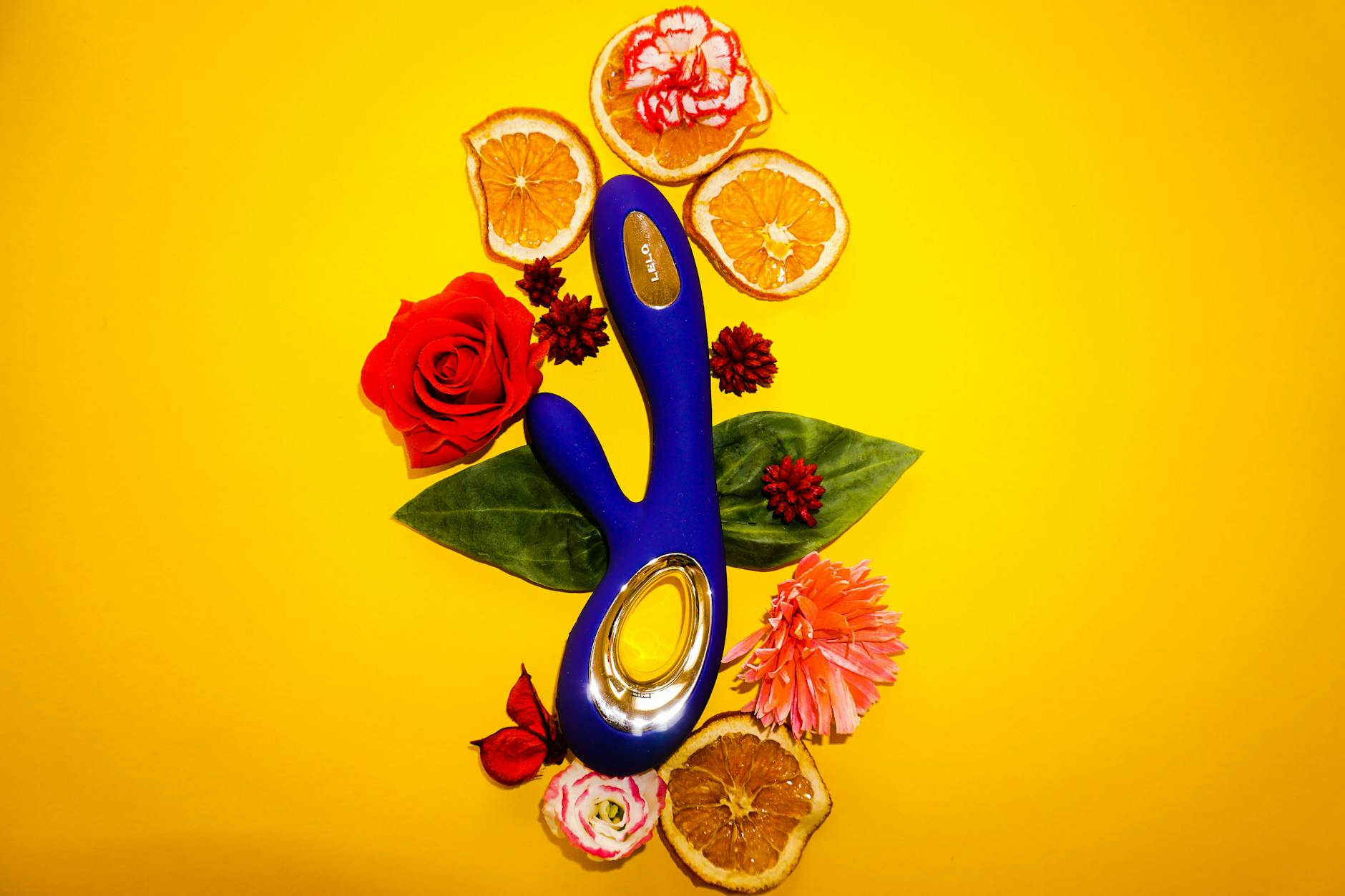
A lemon clitoral vibrator works really well here because it does the work for you. The suction pattern on the lemon doesn't require you to focus or perform. You just show up. Your body gets to remember what stimulation feels like without the pressure to respond in any particular way.
Start with 15 minutes alone. No agenda beyond sensation. No expectation of orgasm. Just you, the toy, and permission to feel whatever comes up. That might be nothing at first. That's fine. Your nervous system is waking up from a long sleep.
Starting the conversation with your partner
This is the part that matters most, honestly. If you're bringing a toy into a relationship that's been on autopilot, you're signaling something. Your partner might hear "you're not enough" even if that's not what you mean.
So say it first. Say it clearly. Say: "I've realized I want to reconnect with my own pleasure, and that actually matters for us." You're not blaming them. You're not saying the sex was bad. You're saying you want to rebuild something together.
If your partner gets defensive, that's information. Defensiveness usually means they're scared. Scared you're leaving. Scared they're failing. Scared sex is going to become this big conversation instead of something easy. Acknowledge that. You're not trying to fix them or make them feel bad. You're trying to find your way back to each other.
Then propose the lemon vibrator as a shared experiment, not a replacement. "I want to use this when we're together. I want you to see what actually works for my body. I want to feel good for us."
How to actually use it when you're rebuilding
Three phases:
Phase one: Solo exploration (week one to two). Use the lemon vibrator alone for 10-20 minutes, maybe three or four times a week. Start on a lower setting. Let yourself discover what patterns feel good without any pressure to come. The goal is sensation, not orgasm. Pay attention to what your body responds to. What speeds? What pressure? What fantasies show up when you're not self-conscious? Write it down if that helps.
Phase two: Presence with a partner (week two to three). Bring the vibrator into foreplay when you're together, but keep control of it. You guide it. Your partner watches, or touches you elsewhere, or just listens to what you're experiencing. The point is they get to see what actually works for you. No performance. No proving anything. Just honesty about sensation.
Phase three: Mutual rebuilding (week three onward). Once you've rebuilt your own relationship with pleasure, you can explore how the lemon vibrator fits into partnered sex. Some couples use it during foreplay. Some during intercourse. Some keep it separate but nearby. There's no right way. The point is you're both choosing it together, not hiding it.
What to expect emotionally
When pleasure starts coming back after years of numbness, it can bring up feelings you weren't expecting. Sometimes grief shows up. Sadness about the time you lost. Resentment about why it got numb in the first place. Sometimes you realize the real issue isn't sex at all. It's that you and your partner stopped talking about the hard stuff.
That's normal. That's also the moment to get curious instead of defensive. If resentment shows up, it might mean you need couples therapy more than you need a better vibrator. A lemon clitoral vibrator can rebuild sensation. It can't rebuild trust or emotional intimacy. That work happens in conversation.
But here's what I know from 20 years of working with couples: couples who can talk about pleasure rebuild faster. They get curious instead of stuck. They laugh together. And desire comes back.
The timeline is slower than you think, and that's okay
Don't expect instant fireworks. Pleasure that's been dormant for years doesn't wake up in two weeks. It wakes up in inches, the same way it fell asleep. Some people feel something shift in month one. Some take three months. Both are normal.
The real marker isn't how fast you orgasm. It's whether you're noticing sensation again. Whether you're thinking about your own pleasure outside the bedroom. Whether you want to touch your partner instead of just tolerating touch. Those are the signs that something's shifting.
What helps: keeping a low-pressure rhythm. Using the lemon vibrator maybe twice a week instead of daily. Combining it with other forms of touch. Staying in your own pace instead of trying to match some timeline you think you're supposed to hit.
When to get actual help
If after eight weeks of consistent use and conversation nothing feels different, or if the numbness feels more like depression or serious avoidance, talk to a therapist. A lemon vibrator isn't magic. It's a tool. And some relationships need more than a tool. They need a trained person to help you both understand what went quiet and why.
There's also something called sexual aversion that can develop after years of disconnection or mismatched desire. That's not laziness or low libido. That's your body protecting you from something it learned to avoid. That needs proper support.
But for most couples stuck in fatigue rather than trauma, rebuilding pleasure is actually simpler than it sounds. It just requires patience, honesty, and willingness to feel awkward for a while.
FAQ: Rebuilding desire after long-term relationship fatigue
How long does it usually take to feel pleasure again after years of numbness?
It varies widely, but most people start noticing shifts between four and twelve weeks of consistent use and communication. Some feel something shift earlier if they were just stressed rather than deeply disconnected. The key is regular use and honest conversation with your partner. You're retraining your nervous system, and that takes time.
Can using a lemon vibrator alone make my partner feel replaced or inadequate?
It can, if you don't talk about it first. Partners often interpret toys as rejection. So say it explicitly: you're using the vibrator to rebuild your own sensation and desire, which ultimately benefits both of you. Frame it as a tool for connection, not a replacement. Some couples find it helpful to use the toy together from the start so your partner sees it as part of your shared intimacy.
What if my partner refuses to accept the vibrator?
That's worth exploring. Sometimes refusal comes from insecurity, shame about sex, or worry that toys mean the relationship is broken. Have a calm conversation about what they're actually afraid of. If it's about feeling replaced, reassure them. If it's about shame around sex, that's something couples therapy can help with. If it's control or unwillingness to support your pleasure, that's a bigger relationship issue that a toy can't solve.
Is it normal to feel guilty using a vibrator in a long-term relationship?
Very normal, especially if you were raised with messages that sex should only happen with a partner. But guilt is usually outdated programming, not actual truth. Your pleasure belongs to you. Using a tool to rebuild sensation doesn't betray your partner. It honors yourself. And partners who love you want you to feel good.
How do I know if the numbness is relationship fatigue or something else, like depression or hormonal changes?
If numbness is paired with fatigue, low mood, sleep changes, or lack of interest in things you usually enjoy, that's depression or a hormonal shift, not just relationship fatigue. See your doctor. Relationship tools won't fix clinical issues. If numbness is specific to sex and intimacy, and everything else feels fine, it's likely relationship-related. You can address both simultaneously, but don't assume a vibrator will fix depression.
Should we use the lemon vibrator every time we have sex, or just sometimes?
Start with sometimes. Use it during foreplay or when you're solo. Once sensation starts coming back and you're both comfortable, you can experiment with when and how it fits in. Some couples love it integrated into their regular rhythm. Some prefer to keep it as an occasional tool. There's no right way. Let it evolve naturally.
What rebuilding actually looks like
Desire that comes back slowly is often stronger than desire that never left, because you've both chosen it. You've had conversations you wouldn't have had otherwise. You've gotten curious about each other's bodies again. You've rebuilt something instead of just maintaining it.
A lemon clitoral vibrator can be part of that. But the real work is showing up for each other with honesty. Saying what feels good and what doesn't. Being willing to feel awkward while you remember how to be intimate. Accepting that pleasure is a skill you need to practice, not something that should just happen automatically after years together.
That's harder than just using a toy. But it's also how couples actually reconnect. And once you do, everything changes.
If you're ready to explore this, I'd also recommend reading more about how to use a lemon vibrator when communication with your partner feels stuck, which digs deeper into the conversation side. You might also find it helpful to revisit how lemon clitoral vibrators help when desire returns after a breakup for additional perspective on rebuilding sensation and trust.
Your pleasure matters. Your relationship deserves your attention. You deserve to feel good again. Start there.