Here's the thing about touch sensitivity spikes
Your nervous system can shift. Sometimes overnight. What used to feel amazing suddenly feels like static, like scratching, like too much. The intensity that worked last month now makes you flinch. If that's happening, you're not broken. You're not losing your capacity for pleasure. Your sensory threshold has just changed, and there are real, practical ways to work with it instead of against it.
Overwhelming touch sensitivity happens for lots of reasons. Stress, hormonal shifts, medication changes, burnout, even certain foods or sleep deprivation can turn up the volume on your nervous system. The point is: you don't have to wait it out alone, and you don't have to give up on pleasure while you're managing it.
Why a lemon sucker works when touch feels intolerable
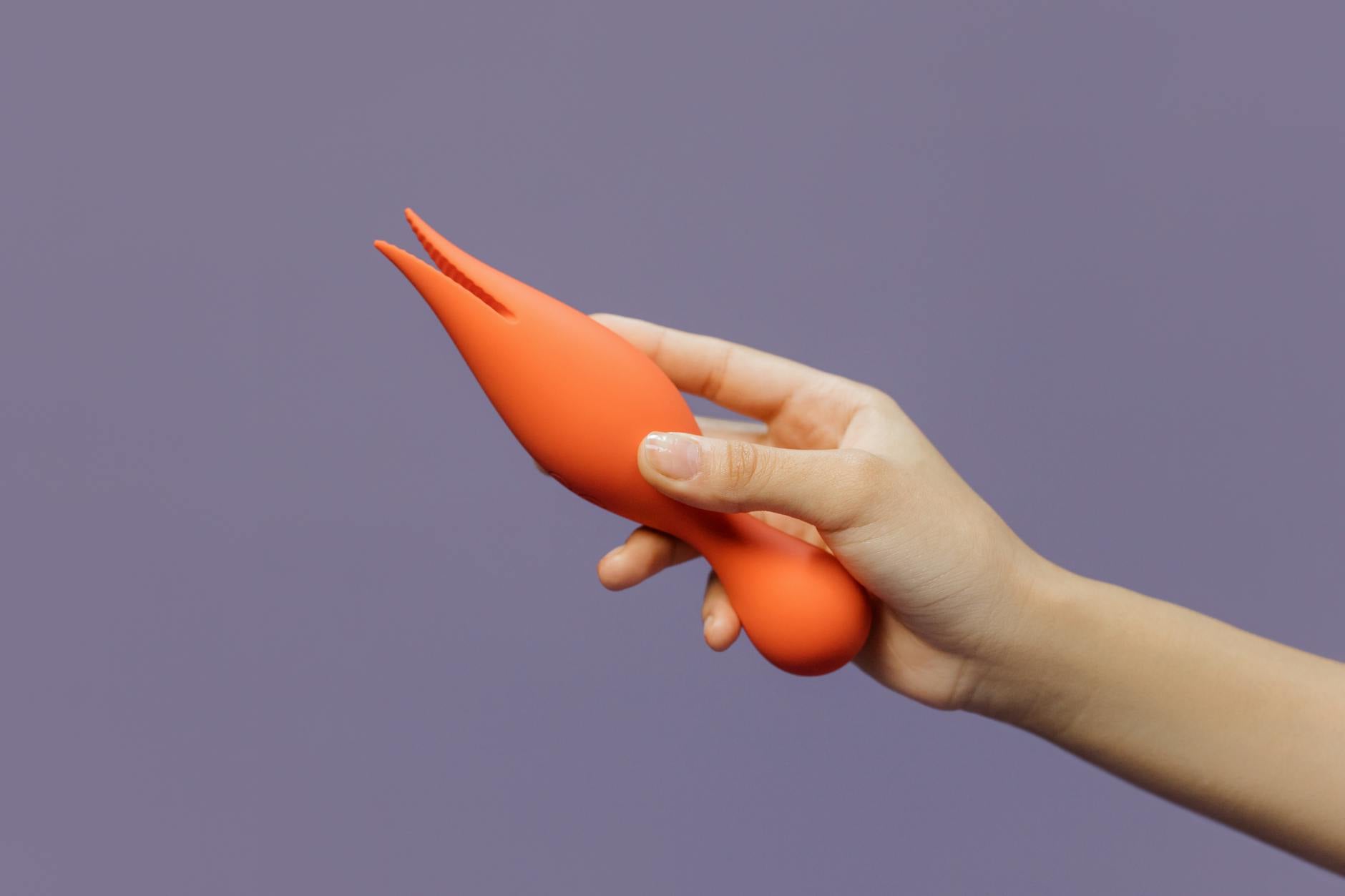
Most vibrators use direct friction or sustained vibration. If your skin feels raw or your nerves are firing at high sensitivity, that can feel worse, not better. A lemon clitoral vibrator is different. It uses suction and pulsing rhythms rather than friction. Think of it like a gentle pressure wave instead of buzzing against sensitive tissue.
The suction mechanism means the toy isn't grinding or vibrating directly on the most sensitive part of your clitoris. Instead, it creates a sealed space and pulls gently inward. This distributes sensation across a wider area and feels more like a consistent pressure than a direct hit. For people with heightened sensitivity, that's often the difference between pleasure and pain.
The lem vibrator, for instance, starts at extremely low intensities. You're not forced into a high frequency. You can spend weeks at pattern one if that's what feels right.
The exact adjustment that changes everything
When your touch threshold is low, three changes matter most.
Distance and layering. Don't put the toy directly on your clitoris. Put it over your underwear, or use a thin cotton cloth between the toy and your skin. This sounds small. It's not. It reduces the sensation by several degrees and often makes the difference between pleasure and overwhelm. You can gradually remove layers as your system feels safer.
Time and warm-up. Instead of jumping to a pattern, spend 10-15 minutes just holding the toy near (not on) your body. Let your nervous system recognize it's not a threat. Breathe. This isn't wasting time. This is training your body that sensation can be safe again.
Pattern, not intensity. Most people think they need to turn the power down. Often they need to change the pattern instead. A steady pulse feels completely different than a ramp-up or a chaotic pattern. Try patterns one through three for a full week each before assuming the toy doesn't work for you.
How to rebuild confidence with a lemon vibrator
If touch has felt overwhelming for a while, pleasure can start to feel dangerous. Your brain learns to brace. That bracing makes everything feel worse. Breaking that cycle takes time and patience, not force.
Start with the toy off. Seriously. Sit with it in your hands. Let your fingers trace it. This isn't foreplay yet. This is your nervous system learning that this object is here and it's not a threat.
Then, with underwear on or with a cloth, hold it very close. Maybe one inch away. You're not looking for pleasure yet. You're looking for neutral or "this is okay." That's success.
Once you can be near the toy without bracing, try it on the lowest setting on your clothed body for 30 seconds. Not looking for anything. Just exposure. Then stop. Come back tomorrow.
This process can take weeks. That's okay. You're rewiring your nervous system's threat response. That doesn't happen in a session.
What to tell your partner (and what not to)
If you're with someone, this matters. "My sensitivity is high right now" is different from "you're doing something wrong." The first is information. The second ends conversations.
You don't owe anyone the full medical reason. You also don't need to make it their job to fix. A useful conversation is: "I'm exploring what feels good with this new toy. I'm starting slow. I'll let you know when I'm ready to include you."
Then give yourself that space without guilt.
When sensitivity spikes point to something deeper
If your touch sensitivity showed up suddenly alongside other changes (pain with sex, numbness, unexplained fatigue), see your doctor or a pelvic health specialist. These can signal things like small-fiber neuropathy, central sensitization, or hormonal changes that benefit from professional support.
You're not overdramatic for asking. Your body's shift matters. And sometimes the pathway to reclaiming pleasure runs through diagnosis and treatment, not just a new toy.
The permission part
Your pleasure isn't less valuable because you need things gentler right now. A lemon clitoral vibrator designed to be gentle isn't a downgrade. It's the right tool for this season. You'll likely find your sensitivity threshold shifts again. You might go back to what worked before, or you might discover you prefer this softer approach. Both are fine.
What matters is that you're choosing pleasure on terms that feel safe in your body. That's everything.
Common questions about sensitivity and lemon vibrators
Why does the suction feel less intense than regular vibration?
Suction distributes sensation. It's not focused on one point. It's more like a gentle pressure wave across a broader area. Vibration is often concentrated. For sensitive nervous systems, distributed sensation is easier to tolerate than concentrated buzzing.
Can I use lubricant with a lemon sucker?
No. The whole mechanism depends on creating a seal. Lubricant breaks that seal. If your skin feels dry, that's fine. The toy itself creates enough moisture. If your tissue is genuinely too dry, that's a separate issue worth discussing with your doctor.
How long does it take to get comfortable with sensation again?
It depends on why your sensitivity spiked. If it's stress-related, you might feel shifts in 2-3 weeks. If it's hormonal or neurological, it can take months. Be honest with yourself about timeline. Patience isn't giving up. It's the thing that actually works.
Should I use this alone or with a partner first?
Alone, always first. You need to know what feels good in your own body before adding the complexity of someone else's presence. Solo exploration also removes the pressure to perform. Take that off the table until you feel genuinely ready.
What if it still feels overwhelming?
Then you haven't found the right distance or layer yet. Try cloth over cloth. Try holding it a foot away. Try just looking at it for a week. There's no finish line. Your nervous system will tell you when it's ready. Your job is to listen.
Can antidepressants or anti-anxiety meds affect this kind of sensitivity?
Yes. Some medications increase sensation sensitivity, others dull it. Talk to your prescriber if you think your medication is involved. There are often alternatives or adjustments that feel better. Don't stop taking anything on your own, but do advocate for your sexual health as part of your overall health.
The takeaway
Overwhelming touch sensitivity isn't a failure of your pleasure capacity. It's a signal from your nervous system that it needs something different right now. A lemon clitoral vibrator, used gently and patiently, can be that something. You're not settling. You're adapting. And in adapting, you're likely to discover something about what you actually want that high intensity never taught you.
Ready to explore? Start with the layers. Start with distance. Start with patience. Your pleasure is worth the time.
If you're navigating touch sensitivity alongside relationship changes, check out how to use a lemon vibrator when rebuilding pleasure after trauma for more context on nervous system healing. You might also find it helpful to read about why lemon vibrators feel different across your cycle, which explains how sensitivity naturally fluctuates. And if you're managing this with a partner, the guide on using a lemon vibrator with your partner after a long relationship gap covers communication skills that work when bodies are recalibrating together.