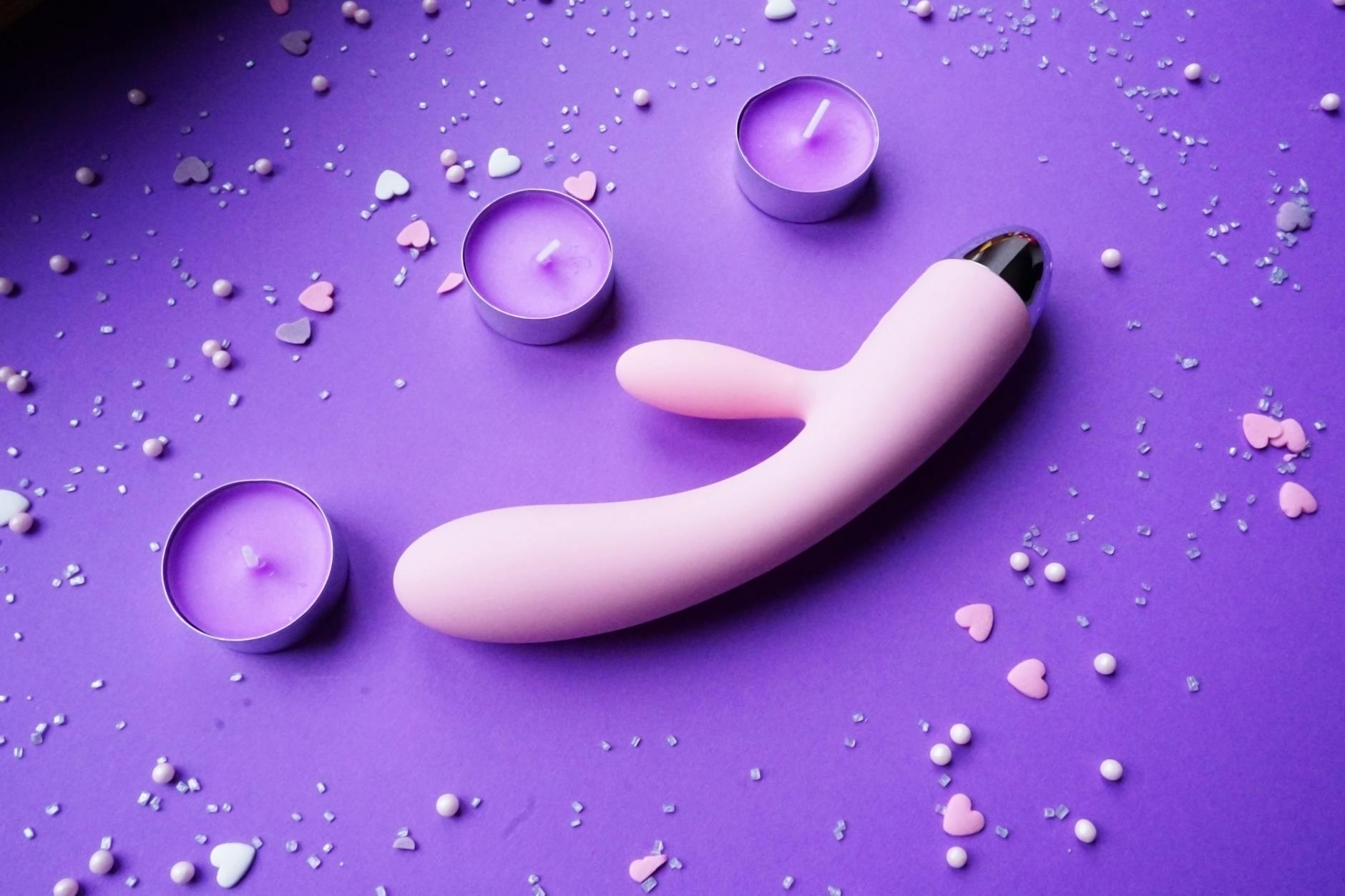
The conversation no one wants to have
Let's be real. Introducing a lemon vibrator into a long-term relationship feels loaded. There's an unspoken fear underneath: if your partner wants one, does that mean you're not enough? If you want one, will your partner feel replaced? These aren't questions about the toy. They're questions about trust, desire, and whether pleasure is something you create together or something one person is getting elsewhere.
Here's what I've learned from years of working with couples: a lemon vibrator doesn't expose a problem. It reveals an opportunity. The couples who struggle aren't the ones using toys. They're the ones who couldn't talk about what they actually wanted in the first place.
Why long-term couples actually resist this
After years together, sex often becomes efficient. Familiar. You know what works. You know what takes twenty minutes. And then someone suggests adding a clitoral vibrator, and suddenly there's this awkward implication that what you've been doing isn't cutting it anymore.
But that's reading the situation backward. In most long-term relationships, desire doesn't disappear because sex is boring. Desire softens because novelty has faded, because you've been running the same script, because talking about wanting something different feels like criticism.
A lemon vibrator isn't a criticism. It's an edit. It's saying: "I want to feel something I haven't felt in a while. Can we explore that together?"
The research nobody cites
Couple-based sex toy use correlates with higher relationship satisfaction and more frequent communication about pleasure. Not lower satisfaction. Not affairs. Not replacement of partnered sex. Higher connection, more conversation, better communication about desire.
Why? Because using a toy together is a choice. It requires consent, conversation, and curiosity about each other's bodies and preferences. You're literally saying: "I'm interested in what makes you feel good, and I'm willing to learn new ways to create that together."
That's intimacy.
How to actually introduce this without defensiveness
Timing matters more than you'd think. Don't bring it up mid-conflict or when someone's tired. Don't drop it as a suggestion during sex. Bring it up separately, over tea or a walk.
Frame it around what you want, not what's missing. "I've been curious about exploring something that might feel different" works. "I'm not satisfied with what we're doing" doesn't.
Be specific about why you're interested. "I read that lemon vibrators work differently than other toys because of how they stimulate the clitoris. I'd like to try one together" is concrete. "I think we should spice things up" is vague and sounds like you're bored with them.
Ask what they're curious about. This is crucial. Your partner might be relieved. They might have fantasies they've been sitting on. They might have questions about their own pleasure that they've never felt safe asking. Create space for that.
The actual mechanics of integrating one into your routine
Start slow. The first time you use a lemon clitoral vibrator with a partner, don't hand it over and expect magic. Use it solo first so you understand how it feels on your body. Then show your partner. Let them hold it. Let them feel the vibration. Demystify it.
When you use it together, focus on sensation over performance. If you're used to partnered sex that's goal-oriented (orgasm as the finish line), a vibrator can feel threatening because it speeds things up or changes the rhythm. Reframe it as exploration instead. "Let's see what this feels like. There's no rush."
Try it during foreplay before penetration. This takes pressure off both of you. Your partner isn't being replaced. They're part of the experience, and the toy is adding a new sensation layer, not substituting for their touch.
If your partner wants to use the lemon vibrator on you, guide them. Show them the settings you like. Tell them what feels good. This is vulnerable and requires communication, but that communication is exactly what long-term relationships need.
What actually changes when you do this
Some couples find that introducing a toy reignites curiosity. They start asking each other questions they haven't asked in years. What do you actually enjoy? What have you been too shy to mention? What would you like to try?
Others find that the toy itself becomes less important than the permission it gives them to talk openly. After the first conversation, they might not use a lemon vibrator every time. But they've broken the silence around desire, and that changes everything.
Your orgasms might feel different. That's normal. You might need longer warmup time or different angles or a combination of sensations. Your partner might learn things about your body that they didn't know after years of sex. And they might feel proud that they can give you that.
The insecurity that lingers
Even after a successful introduction, some partners worry: does she prefer this to me? Does he feel like I'm choosing the toy over him?
The answer is almost always no. A lemon vibrator isn't more intimate than your partner's touch. It's different. It accesses nerve endings at a different angle and frequency. Using it together actually intensifies connection because you're both paying attention, both present, both curious.
If the insecurity persists, that's worth exploring separately. Why does your partner's pleasure feel like a threat? What beliefs are underneath that? These are the real conversations, and they often need space outside the bedroom.
When a toy reveals something deeper
Sometimes introducing a vibrator opens a door to bigger stuff. Maybe your partner has been checked out emotionally. Maybe you've been making love on autopilot. Maybe there's resentment or disconnection that a toy can't solve.
That's information. It's hard information, but it's useful. And it means the real work isn't about the vibrator. It's about reconnection, communication, maybe working with a couples therapist who understands sexuality and can help you both get curious instead of defensive.
If you're already strong and communicative, a lemon vibrator amplifies what's there. If something's fractured, the toy won't fix it. But the conversation it starts might.
After the first time
Check in. Not immediately (that feels clinical), but later that day or the next. What did your partner think? What surprised them? What do they want to try next time? Would they want to use it again?
Some partners will be enthusiastic. Some will need time to warm up. Some will prefer certain settings or positions. Some will want to incorporate it sometimes, not every time. All of that is fine. The goal isn't to change your sex life into something unrecognizable. It's to expand what's possible together.
For many couples, especially those who've been together for years, the lemon clitoral vibrator becomes part of the toolkit. Not a replacement for partnered touch. Not a sign something's wrong. Just another way to feel good together.
Keep talking
The couples I see who thrive with toys aren't the ones who use them perfectly. They're the ones who keep checking in. Who ask each other what feels good, what they'd like to try, where they want to go next. Who treat their partner's pleasure as a shared project instead of their responsibility alone.
That conversation is the real intimacy. The vibrator is just the excuse to have it.
Frequently asked questions
Will using a lemon vibrator make my partner feel replaced?
Not if you frame it right and involve them in the exploration. The couples I work with who struggle are the ones who secretly use toys and hide them, not the ones who use them openly together. Transparency and invitation make all the difference. When your partner understands that you're inviting them into something, not excluding them from it, the dynamic shifts.
What if my long-term partner thinks vibrators are "cheating"?
That belief usually comes from a fear that pleasure outside the relationship means infidelity. It's worth exploring where that comes from. Is it about trust? About feeling inadequate? About shame around sexuality? A couples counselor can help untangle that, because the issue isn't really about the toy. It's about what the toy represents to them. Understanding the fear lets you address it directly instead of arguing about whether toys are okay.
How often should we use a lemon vibrator together?
There's no rule. Some couples use one weekly, some monthly, some only during special occasions. The frequency matters less than the fact that you're choosing it together and checking in about whether it's still working for you both. After years of routines, adding novelty even occasionally can shift stagnation.
Can a lemon clitoral vibrator actually improve orgasms in long-term relationships?
Yes, for some people. Not because your partner's touch becomes less effective, but because the suction technology of a lemon vibrator accesses the clitoris differently than hands or penetration can. Your nerve endings respond to new stimulation, especially after years of the same patterns. That novelty can make orgasm feel different, sometimes stronger. But the real improvement is in connection, because you're both paying attention and curious again.
What if one of us wants it and the other doesn't?
That's a boundary worth respecting. You can't force someone to be comfortable with a toy, and trying to will only build resentment. Instead, ask what the resistance is about. Is it discomfort? Shame? Fear? Once you understand the real hesitation, you might be able to address it. And if you can't, you need to decide what matters more: the toy or your partner's comfort. Usually it's the latter, and that's healthy.
Does introducing a vibrator change what "real" sex means?
Only if you let it. Sex with a partner using hands, mouth, or penis is real. Sex with a partner using a vibrator is also real. They're different sensations, but they're equally intimate if you're present together. The meaning comes from the connection and intention, not the tools. Hello Nancy's lemon vibrator is just adding another way to explore pleasure together, not replacing what you already have.
How do we keep things from feeling routine after we introduce a vibrator?
The same way you keep anything fresh in a long-term relationship: curiosity. After you've used a toy a few times, explore different settings, different positions, different timing. Ask each other what you'd like to try next. Read about sexuality together. Take a workshop on pleasure. The vibrator is an invitation to stop going on autopilot, not a permanent solution to boredom. The real work is ongoing conversation about desire.