Let's talk about what anxiety actually does to your body
Anxiety doesn't just make you feel worried. It hijacks your nervous system and flips you into fight-or-flight mode. When that happens, your body pulls blood away from your genitals and toward your muscles. Your breathing gets shallow. Your thoughts scatter like startled birds. Arousal becomes nearly impossible because arousal requires the exact opposite state: calm, grounded, present.
Most advice about anxiety and sex focuses on your mind. Breathe deeper. Think positive thoughts. Relax. But here's what nobody tells you: your nervous system doesn't respond to willpower. It responds to physical sensation.
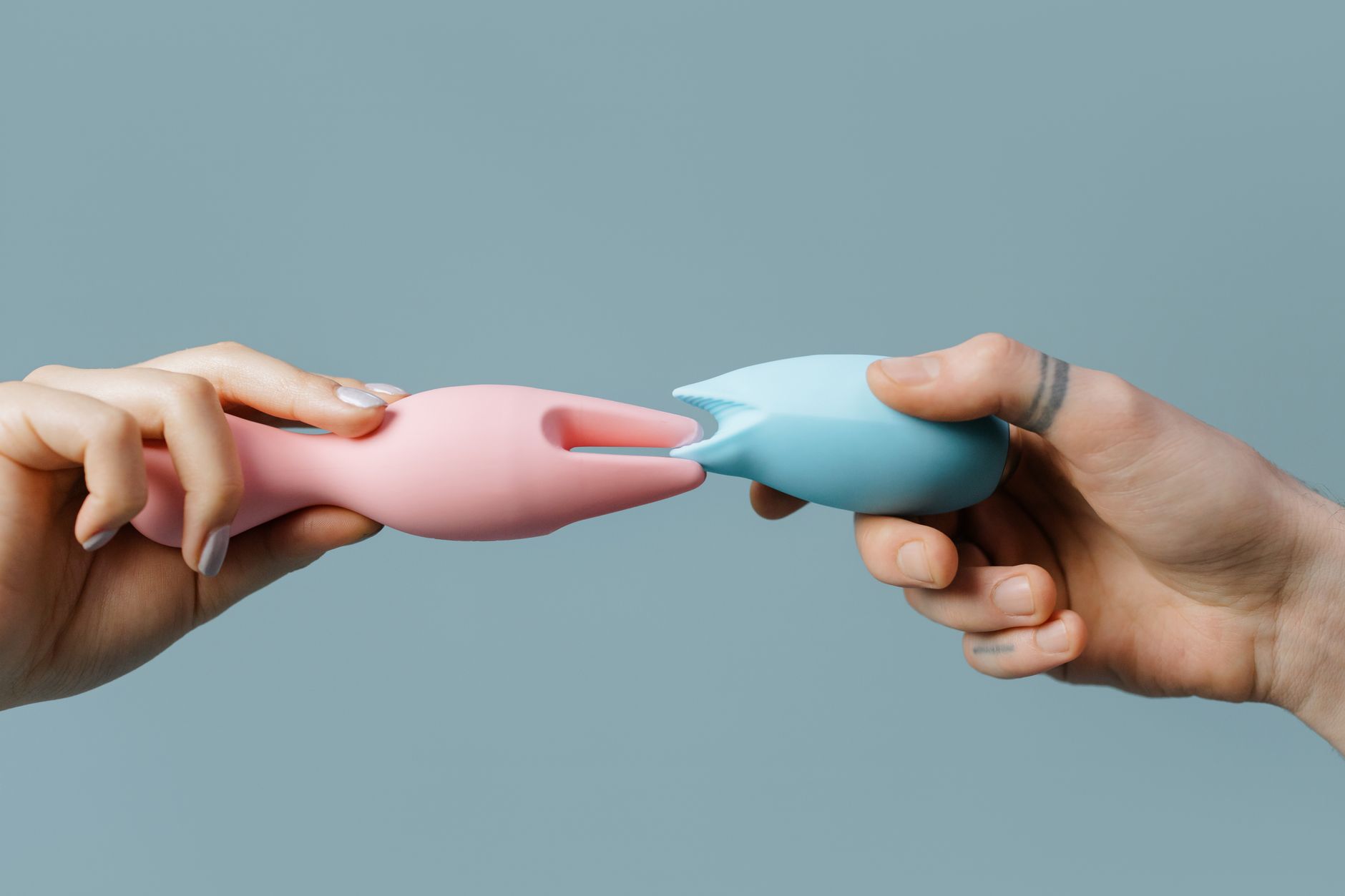
That's where lemon vibrators change the equation. Air-suction devices like the Lem work differently than traditional vibrators. Instead of vibration alone, they use rhythmic suction to stimulate nerves. For people with anxiety, that specific sensation pattern can interrupt the stress loop and anchor you back into your body.
How anxiety blocks the arousal pathway
Your nervous system has two main states. The sympathetic nervous system is your accelerator. Fight or flight. Stress response. When anxiety hits, you're floored on that pedal whether you want to be or not.
The parasympathetic nervous system is your brake. Rest and digest. Calm. Connected. Arousal lives here. It requires your body to feel safe enough to lower its guard.
When you're anxious, your sympathetic nervous system is locked on. Your brain is scanning for threats. Your muscles are primed. Your genitals are not getting blood. This is not a character flaw. This is neurobiology.
The problem with most anxiety management strategies around sex is they assume you can think your way out. You can't. Your nervous system doesn't listen to logic.
Why lemon suction vibrators work differently for anxiety
Lem vibrators use air-pulse technology instead of traditional vibration. This matters because the sensation is rhythmic, predictable, and intense enough to interrupt anxious thought patterns.
When you focus on a strong, patterned sensation, your brain has to resource-shift. It can't run your anxiety loop and process that sensation simultaneously. It's like trying to hold two complex thoughts at once. Your attention goes where the stimulation is strongest.
This is called "sensory gating." Your nervous system naturally prioritizes the strongest incoming signal. A rhythmic suction pattern is strong enough to override the background chatter of anxiety.
Second, that suction creates a physical pressure sensation that activates the vagus nerve. The vagus nerve is your parasympathetic highway. Stimulating it signals safety to your whole system. You shift out of fight-or-flight and into calm without having to meditate or white-knuckle your way there.
Third, lemon clitoral vibrators don't require a long warm-up period. If you're anxious, a lengthy buildup means more time for your mind to wander back into worry. Air-suction devices create noticeable sensation almost immediately, which gives your brain less real estate to spiral.
Building a nervous system reset routine with a lemon vibrator
Here's the key insight: you're not trying to force arousal. You're trying to reset your nervous system state. Once you're calm, arousal can follow naturally.
Start before you feel horny. Seriously. Don't wait until you're trying to have sex and panic sets in. Set aside 15 minutes when you're already somewhat relaxed. Not in crisis mode. The shower works. Right after meditation works. A quiet afternoon works.
Use your lemon vibrator as a nervous system tool, not a goal. Start on the gentlest setting and focus on the sensation itself, not on whether anything is "happening" yet. Your job is to notice the feeling and stay present with it.
Combine with grounding technique. While you're using your vibrator, also ground yourself physically. Feel your feet on the floor. Notice the temperature of the room. Listen to ambient sound. You're giving your brain multiple anchors to the present moment, not just the sensation.
Breathe with intention. Not the frantic "relax" breathing. Inhale for four counts, exhale for six. The longer exhale activates your parasympathetic nervous system. Do this while you're using your lem vibrator and you're stacking multiple signals of safety.
The difference between using a lemon vibrator solo versus with a partner
When anxiety is high, partnered sex adds complexity. You're managing your own nervous system and also navigating another person's expectations.
For anxiety-prone people, solo exploration with a lemon clitoral vibrator first creates a map. You learn what your body needs when there's no pressure. No performance. No timing to navigate. You learn your own arousal pathway when you're the only one setting the pace.
If you have a partner, this solo knowledge is valuable. You can say: "I need to explore this by myself first." That boundary is not rejection. It's groundwork. Once you understand how your nervous system responds to a lemon sucker when you're alone, partnered pleasure becomes less fraught.
When you do bring a partner in, the same principles apply. Slow pace. Focus on sensation over outcome. Use your vibrator first to anchor yourself, then transition to partnered touch. Your nervous system already knows it's safe because you've practiced that reset.
Common mistakes when anxiety is in the mix
One big one: thinking you should be aroused by now. Anxiety thrives on pressure. The moment you start checking your own progress, you've left the present moment. Your brain goes back to scanning for problems.
Second mistake: using your vibrator while you're actively catastrophizing. If your mind is spiraling about whether this will even work, stop. Ground first. Use your five senses to get present. Then pick up your vibrator. The order matters.
Third mistake: expecting consistency. Anxiety fluctuates. Some days a lemon vibrator works beautifully and you feel completely grounded. Other days your nervous system needs extra help. That's not failure. That's your system doing what it's supposed to do.
Fourth mistake: thinking you're broken. You're not. Anxiety is a common response to modern life. Your nervous system is working exactly as designed. It's just protecting you a little too much. A lemon clitoral vibrator gives you a tool to renegotiate that protection.
When to layer in additional support
A vibrator is not therapy. If anxiety is severe enough to prevent arousal consistently, talking to a therapist trained in somatic work or trauma-informed sex therapy is worth it.
Somatic therapy teaches you how to read your body's signals and shift your nervous state. Combined with a tool like a lemon vibrator, it's a powerful one-two.
Some people also find that short-term anxiety medication helps reset the nervous system enough to make pleasure accessible again. That's not a failure of willpower. That's using the right tool for the job.
What matters is that you have options. Your anxiety doesn't have to be the final word on whether you get to experience pleasure.
A closing thought on nervous systems and belonging
Your nervous system's job is to keep you safe. Sometimes it's overzealous. That's not a character flaw. It's trying to protect something it cares about: you.
When you use a lemon vibrator intentionally, you're not overriding that protection. You're negotiating with it. You're saying: "I know you're watching out for me. Here's evidence that it's safe to relax." That rhythmic suction, that pressure on your clitoris, those grounding breaths. They're all signals of safety.
Over time, your nervous system learns. It learns that presence is safe. That pleasure is possible even when anxiety shows up. That you can be anxious and still enjoy sensation.
That's not about forcing relaxation. That's about patient, physical renegotiation with your own body. And that's exactly what a lemon vibrator is built for.
People also ask
Can anxiety permanently make me unable to feel pleasure?
No. Anxiety makes arousal harder, not impossible. It's a state, not a trait. Your nervous system can learn new patterns. It takes practice and patience, but pleasure is still accessible. Many people find that once they interrupt the anxiety loop with consistent grounding practices and tools like lemon clitoral vibrators, arousal returns reliably. The key is consistency, not intensity.
Should I use a lemon vibrator if I'm on anti-anxiety medication?
Absolutely. In fact, many people find that medication plus intentional nervous system work creates the best results. Your medication can help quiet the background chatter enough that you're present for physical sensation. A lemon vibrator then gives you something concrete to anchor into. Talk to your doctor if you have concerns, but medication and vibrators work well together.
How long does it take for a lemon vibrator to help with anxiety-related numbness?
It varies, but many people notice a shift within 3-5 sessions. That said, the goal isn't to "fix" yourself in one night. You're building a new nervous system response. Think of it like learning to relax into a new chair. The first time feels awkward. By the tenth time, your body knows what to expect. Consistency matters more than duration.
Can I use a lemon suction vibrator if I'm not sure I'm aroused yet?
Yes, and that's actually the sweet spot. You don't need arousal to start. The sensation itself can catalyze it. Many people find that using a lemon vibrator when they're calm but not yet aroused helps bridge that gap. The rhythmic suction creates physical pleasure, which then signals your brain that it's safe to drop into arousal. It's not backwards. It's actually how many anxiety-prone nervous systems work best.
Is it normal if a lemon vibrator feels too intense when I'm anxious?
Completely normal. Start on the lowest setting. If even that feels like too much, that's your nervous system saying "not yet." Ground first. Feel your feet. Breathe longer exhales. Then try again. You're not broken. Your system just needs more permission to relax. Some people benefit from using a vibrator over underwear initially, or on an arm or leg rather than genitals. The goal is pleasant sensation, not maximum intensity. Work with your body, not against it.
Can my partner help me use a lemon vibrator if anxiety makes me freeze up during sex?
Yes, but with clear communication first. Outside of the bedroom, talk about what you need. Do you want them present but quiet? Do you want them to guide your breathing? Do you want to be alone? There's no wrong answer. Some people find a partner's calm presence helps their nervous system feel safer. Others need solo space first. Discuss it when you're both relaxed and clothed. Then practice in low-pressure situations before bringing it into sex.
What's next
Anxiety and pleasure don't have to be incompatible. They just require a different approach. Instead of fighting your anxiety, give your nervous system evidence of safety through physical sensation and grounded presence.
A lemon vibrator is one tool. Breathing is another. Grounding is another. Therapy might be another. The point is that you have agency here. Your nervous system can learn new patterns. And pleasure is absolutely possible on the other side of that learning.
If you're curious about how a lemon clitoral vibrator fits into your pleasure practice, start small. Use it when you're already calm. Notice what happens. There's no rush, no performance, no stakes. Just you, your body, and a tool built to help your nervous system remember what safety feels like.
For more on how different tools work with your body's rhythms, check out our guide on how to use a lemon vibrator when arousal feels scattered or hard to focus. And if you're interested in learning how these devices compare to other options, why lemon vibrators work better than air suction for sensitive tissue offers deeper context.
Have questions about getting started? Reach out at /contact and we're here to help.