Let's name what matters here
Sexual trauma changes your relationship with pleasure. It doesn't erase it, but it creates distance. You might notice your body bracing when you anticipate touch, or your mind checking out mid-moment, or desire showing up less like a spark and more like a question mark. This isn't broken. It's your nervous system doing its job.
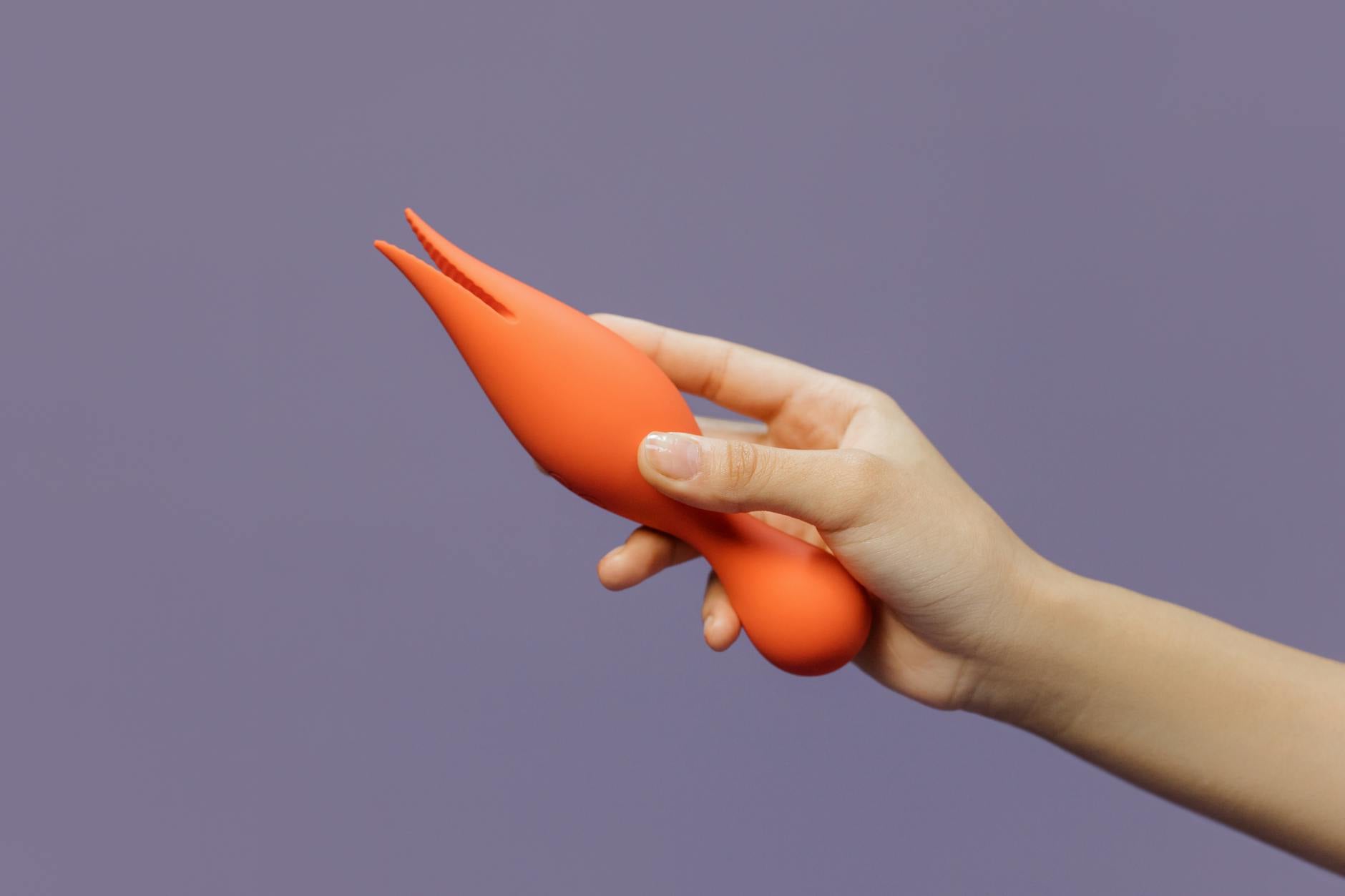
When pleasure starts returning, it often comes quietly. A moment where you feel present in your body again. A flutter of genuine interest instead of obligation. That whisper of "maybe I want to explore this" is real healing. And if you're thinking about tools like a lemon vibrator to support that journey, you're asking the right questions about consent, control, and pacing.
Why a lemon clitoral vibrator can feel different
Trauma often lives in the body as a need for control. Penetration, hand pressure, partner-initiated touch.all of these can feel unpredictable or unsafe, even with a trusted partner. A lemon vibrator changes the dynamic because you hold the power literally and metaphorically.
The suction mechanism is gentle in a way that penetration isn't. There's no pressure traveling deep into your body. The sensation stays localized, predictable, and entirely in your control. You set the intensity level. You choose when to pause. You decide what speed and pattern feel okay today. That agency matters more than people without trauma histories often realize.
Clitoral vibrators also bypass the vulnerability that can come with penetration. You're not opening yourself, not accommodating another body, not managing another person's pleasure. It's purely about what feels good to you, in isolation. For many people healing from sexual trauma, that's the exact permission they need.
Starting with micro-sessions, not performance
Here's the difference between relearning pleasure after trauma and using a vibrator for fun: you're not chasing orgasms. You're chasing moments of presence.
Start with five minutes. Maybe even two. Turn on your lemon vibrator at the lowest setting. Touch it to your inner thigh, not directly to your clitoris. Notice what you notice. Does your body relax or tense? Does your mind stay present or drift? After two minutes, stop. That's it. You're not trying to reach anything. You're gathering data about what your body needs.
Most people rebuilding after trauma need permission to feel "boring" sensations as wins. Neutral touch that doesn't spark arousal is still progress. Gentle tingling that goes nowhere is still information. A moment where you felt safe is still a victory.
Increase duration slowly. Next session might be five minutes. The one after that might be seven. You're not racing toward pleasure. You're teaching your nervous system that pleasure can be safe.
The conversation that precedes partner play
If you have a partner, they need to know what you're doing and why before a lemon vibrator enters shared space.
The conversation doesn't need to be clinical. "I'm starting to feel interested in pleasure again, and I want to explore that solo first, at my own pace" is enough. If they ask what that looks like, you can say: "I'm using a vibrator to reconnect with my body in a way where I have complete control."
What matters is that they understand this isn't about them. It's not "you're not enough" or "I need something different from you." It's "I need to rebuild trust with my own body first." Good partners get that. Partners who get defensive about it are showing you something important about whether they're safe people to heal around.
If you do eventually want to include your partner, do that on your timeline. Maybe they hold your hand while you explore. Maybe they sit nearby. Maybe they stay in another room. The lemon vibrator stays your tool, your control. They're witnessing your healing, not directing it.
The nervous system piece people skip
Your amygdala has been on alert. It's been protecting you. Even as healing happens, your brain might send false alarms. A sudden memory. A physical sensation that triggers dread. A moment where you feel unsafe even though you are safe.
When this happens, pause. You're not failing. Your nervous system is doing exactly what it was trained to do.
Try grounding techniques before you return to your lemon vibrator. Five senses: name five things you see, four you can touch, three you hear, two you smell, one you taste. Feel your feet on the floor. Press your palms into your thighs. Come back to the present moment. Then, if you want to continue, you continue. If you don't, you don't.
Pleasure after trauma isn't linear. Some days you'll feel open. Other days your body will say "not today." Both are okay. The goal isn't consistent arousal. The goal is reclaiming choice.
Lubrication and sensitivity after trauma
Trauma can change how your body responds physically. Arousal might come slowly. Lubrication might be less abundant than before. Sensitivity might feel muted or, conversely, overwhelming.
Use a water-based lubricant regardless. It's not because something is wrong. It's because your clitoris and vulva deserve extra care while you're rebuilding. Lubrication makes everything feel safer and more comfortable. It removes friction that might trigger tension.
If direct clitoral stimulation feels too intense, start with the lemon vibrator against your outer labia or your inner thigh, where nerve density is lower. Let arousal build from the edges inward. There's no timeline for this. Some people take weeks to feel comfortable with direct contact. Others need months. Your body isn't broken. It's protecting itself while it heals.
Creating physical and mental safety containers
The space where you use a lemon vibrator matters. Your body remembers where bad things happened. Even a different room, a locked door, a specific time of day can shift your nervous system from "threat mode" to "curiosity mode."
Choose a place where you feel genuinely safe. Maybe it's your bedroom with the lights on and your phone nearby. Maybe it's a locked bathroom. Maybe it's a hotel room far from home. Your body knows the difference between safe spaces and spaces that carry memory. Honor that.
If intrusive thoughts show up, have a reset plan. Maybe it's opening a window. Maybe it's calling a friend (not about what you're doing, just to ground you in presence). Maybe it's getting up and making tea. You're teaching your brain that you can notice an unwelcome thought and keep going anyway.
When pleasure becomes possible again
The moment you have your first genuine, trauma-free orgasm feels different. It's not dramatic. It's often quiet. Your body relaxes in a new way. Your mind stays present all the way through. You might cry afterward. You might feel nothing but relief. Both are normal.
That moment matters. It's not just physical release. It's evidence that your body can experience pleasure without fear. It's proof that healing is real.
Keep using your lemon vibrator however feels right. Solo, with a partner, occasionally, regularly. There's no "supposed to." The point is that you get to choose. Choice is where healing happens.
FAQs
Is it normal to feel nothing when I first use a lemon vibrator after trauma?
Completely normal. Pleasure is one of the first systems trauma shuts down. Your body might need weeks or months to recognize that arousal is safe again. Numbness isn't failure. It's your nervous system slowly learning to trust sensation again. Keep micro-sessions consistent and watch for tiny shifts: slightly warmer skin, a flicker of awareness, anything that suggests your body is starting to respond. Those small moments matter more than orgasm right now.
Should I tell my therapist I'm using a vibrator to heal from trauma?
Yes, if you have one. A good trauma-informed therapist will see this as a positive step toward reclaiming your body. They can help you navigate the nervous system activation that might happen and celebrate the shifts you're noticing. If your therapist reacts negatively, that's information about whether they're the right fit for your healing.
What if my partner wants to be involved before I'm ready?
That's a boundary conversation, not a problem with you. Say clearly: "I need to rebuild this for myself first. When I'm ready to include you, I'll let you know." If they pressure you, that's a red flag about their ability to support your healing. Good partners can wait. They can celebrate your solo exploration. If your partner can't, consider whether this relationship feels safe enough for trauma recovery.
Can I use a lemon vibrator if I also take medication for trauma or anxiety?
Yes. Some medications affect arousal and sensation, so your experience might be different than someone not taking them. That's not a barrier. It just means you might need longer warm-up, more lubrication, or different patterns to feel stimulated. Work with your body, not against it. Your psychiatrist doesn't need to know about the vibrator, but your therapist should if you're doing somatic healing work.
Is it okay if I only want to use a vibrator solo and never with a partner?
Completely okay. Healing doesn't require you to reclaim partnered sexuality. Some people rebuild trust with their bodies through solo exploration and stay there. Others eventually want partnership again. Both paths are valid. Your clitoral vibrator is a tool for you, not a stepping stone to couple's play. Use it however serves your healing.
What if I experience flashbacks or panic while using a lemon vibrator?
Stop immediately. Your nervous system is telling you this isn't safe yet. Take a grounding break. Do something stabilizing: hold ice, stomp your feet, drink water. Then, try again another time or scale back significantly. Consider working with a trauma-informed therapist on somatic work before returning to this practice. Healing isn't linear, and some days your body will say no. That's not failure. It's wisdom.
You're doing the hardest work
Reclaiming your body after sexual trauma is courage disguised as self-care. Every moment you spend rebuilding trust with your own pleasure is a moment you're taking your power back. A lemon vibrator is just a tool. You're the one doing the real work.