The body you're in right now is the only one you'll ever have pleasure with
Let's start here: body image struggles don't erase your capacity for sensation. They just add friction. When you've been critical of your body, or when life circumstances have shifted how you see yourself, pleasure doesn't disappear. It gets quieter. Your nervous system learns to protect itself by staying distant from the very thing you're trying to feel.
I work with people on this specific problem constantly. The pattern is predictable. First comes the withdrawal. You stop noticing your body. Then comes the numbness. Touch registers but doesn't land. Then you start to believe the numbness is permanent. It isn't.
Using a lemon clitoral vibrator during this phase isn't about performance or reaching orgasm. It's about giving your nervous system permission to be present again.
Why body image struggle mutes sensation
Your brain prioritizes safety over pleasure. When you've internalized criticism about your body—from media, from partners, from yourself—your nervous system learns that it's not safe to drop into sensation. That self-protective mechanism is smart. It's also preventing you from feeling anything good.
The disconnection is neurological, not philosophical. When you're caught in a loop of body surveillance (constantly monitoring, judging, critiquing), your parasympathetic nervous system can't engage. Pleasure requires the parasympathetic system to be online. Criticism keeps it offline.
A lemon sucker or clitoral vibrator works in this context because it bypasses the judgment loop. The stimulation is so specific, so focused, that it demands your attention in a different way than touch does. It pulls your nervous system into sensation rather than evaluation.
Starting with the right framing
Before you use a lemon vibrator, shift the intention from "Am I doing this right?" to "What do I feel when I'm not looking?"
This matters. When you're rebuilding confidence after body image struggles, the internal monologue is usually running commentary. Using a lemon adult toy gives you something so engaging that the commentary gets quieter. That's the point.
Three shifts in framing that help:
1. Dimmed lighting, not darkness. Pitch black can feel like hiding. A dimmed room lets you be present without the spotlight of full brightness. You're not hiding from yourself. You're just lowering the stakes of visibility.
2. Solo, not partner. During this rebuilding phase, a partner's presence is another person to evaluate you. Solo play removes that layer. You're not performing. You're exploring.
3. Focus on sensation, not outcome. If you go into this chase hunt for orgasm, you'll find yourself back in the evaluation loop. Instead, give yourself permission to notice: What does this feel like? Where am I numb? Where am I present?
How to actually use a lemon vibrator for reconnection
Here's the practical sequence that works for most people rebuilding this connection.
Preparation (5-10 minutes). Lie down somewhere comfortable. Your bed, a couch, somewhere your body feels supported. Spend a few minutes just noticing what you feel. Temperature of the sheets. Weight of your body. This isn't meditation. It's just paying attention.
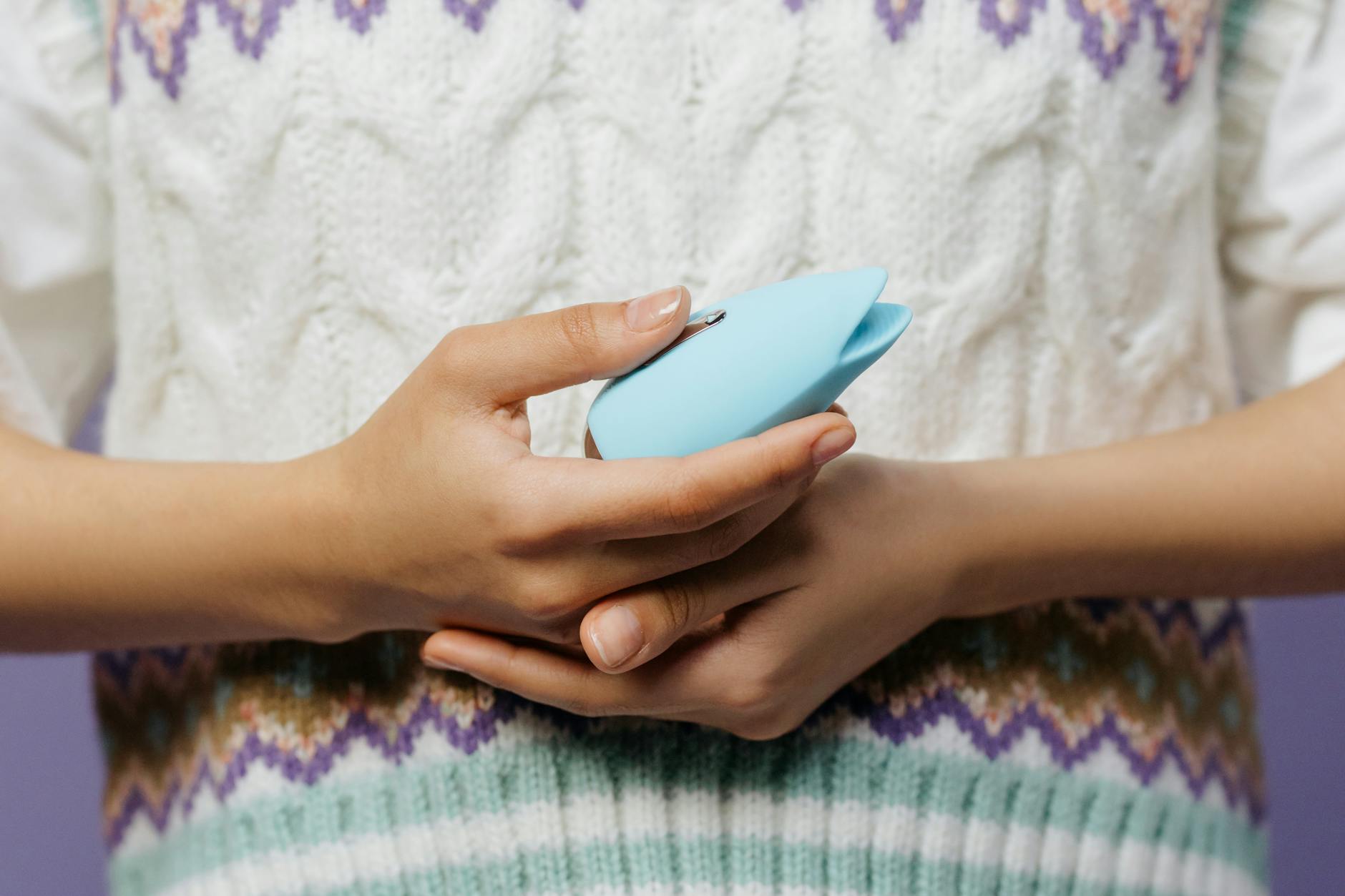
Introduction (2-3 minutes). Hold your lemon clitoral vibrator (off) and notice the weight, the texture. Let your body learn what it is before it turns on. This removes surprise from the nervous system. Surprising your body when it's already defended is counterproductive.
Low intensity first (5-10 minutes). Turn the vibrator on to its lowest setting. Apply it to your outer labia or mons first, not directly on your clitoris. The indirect stimulation is less intense and gives your nervous system time to accept input. Notice what you feel. Some people feel numbness. That's information, not failure. Some feel tingling. Some feel pressure. All of it is data.
Gradually increase (if it feels good, if it doesn't, stop). If the sensation is becoming pleasurable rather than just present, you can try moving closer to your clitoris or increasing the pattern. The Lem has multiple patterns; a slower, pulsing rhythm often works better than constant vibration when you're rebuilding confidence because it feels less invasive.
Pause before you peak. When you notice arousal building, many people find it helpful to pause. Turn the vibrator off. Breathe. Let your body integrate the sensation. Then go back in. This isn't edging for performance. It's teaching your nervous system that arousal is safe, that you can drop in and out of it, that you're in control.
What numbness actually means
If you use a lemon vibrator and feel nothing, that's not a sign to try harder. It's a sign to notice what kind of nothing.
There's a difference between "nothing is happening" and "nothing can happen." The first is often just your body being cautious. The second usually means you need support beyond a toy.
If numbness persists over multiple sessions, it might signal depression, dissociation from the body, or trauma that needs professional support. There's no shame in that. It means this particular tool isn't enough, and you'd benefit from talking to a therapist or sex coach.
But most of the time? The numbness is temporary protection. It lifts. Your body is waiting to feel good again.
The confidence rebuild happens slower than the pleasure returns
Here's what most people don't expect: you can feel pleasure again before you feel confident in your body. These aren't the same thing.
You might reconnect with sensation using a lemon clitoral vibrator and still have critical thoughts about how you look. That's normal. The goal isn't to delete the critical voice. It's to stop letting it run the show.
As you practice using a lemon vibrator solo over weeks, something shifts. Your body becomes a place where good things happen. That's not a small thing. That's the beginning of a different relationship with yourself.
When and if you're ready to integrate a partner back into this picture, that foundation matters. You're not asking them to convince you your body is okay. You already know your body can feel good. Now you're inviting them to be part of that, not to fix it.
When to reach out for more support
If body image struggles are tied to an eating disorder, severe depression, or trauma, a lemon sexual toy is a complement to therapy, not a substitute. Talk to someone.
If you find yourself struggling to be present even with professional support, there are somatic therapists who specialize in reconnecting with the body. They exist. They help.
Most importantly: rebuilding confidence takes time. Using a lemon vibrator isn't a quick fix. It's a consistent practice that says to your nervous system, "Your body is safe. Your body can feel good. We're staying."
That permission, given repeatedly, changes things.
People also ask
How long does it take to rebuild sensation after body image struggles?
There's no fixed timeline. Some people notice shifts in 2-3 weeks of consistent solo play. Others take months. The variable isn't the lemon vibrator; it's how deeply the disconnection runs and whether you have other support systems in place. Therapy accelerates this process significantly. Solo work with a clitoral vibrator usually works best alongside professional support, not instead of it.
Can I use a partner during this phase, or should I wait?
Wait until you feel grounded solo. When you're rebuilding confidence after body image struggles, a partner's presence adds another layer of evaluation to manage. Once you've had a few sessions solo where you felt present and good, then introducing a partner—with clear communication about what you need—can work. But starting solo removes one variable, which is usually helpful.
Does it matter which lemon vibrator I choose?
For this specific use case, a clitoral vibrator like the Lem works well because it's focused and intentional. You're not trying to use penetration or fullness; you're rebuilding connection to sensation. The Lem's suction patterns are particularly good because they feel different from typical vibration—they can feel more like stimulation and less like a tool, which matters psychologically when you're in a rebuilding phase.
What if I feel shame during or after using the vibrator?
That's not uncommon, and it doesn't mean you're doing anything wrong. Shame often surfaces when you're taking up space for your own pleasure, especially if you've been taught to prioritize others' comfort over yours. When shame shows up, pause, breathe, and notice: Is this shame about the act itself, or is this an old message playing? Usually it's the latter. You can acknowledge the message and keep going. If shame is overwhelming and persistent, talk to a therapist. That's what they're for.
Can using a lemon adult toy on its own fix body image issues?
No. Pleasure is one component of reconnection. The deeper work is usually cognitive and emotional: examining where the body criticism came from, learning to interrupt the internal commentary, potentially working with a partner to rebuild trust. A lemon clitoral vibrator can help your nervous system remember that sensation is available. But it can't rewrite the underlying beliefs alone. Combine it with therapy, journaling, and intentional conversation if you have a partner.
Is it normal to feel emotional after using a vibrator when rebuilding confidence?
Completely. When you've been disconnected from your body, reconnecting can bring up a lot. Some people feel relief. Some feel grief about the time they lost. Some feel anger at the voices that told them their body wasn't okay. All of that is welcome. It means something is shifting. If the emotions are overwhelming, pause and sit with them. Talk to someone if you need to. Feeling something is progress.
Moving forward
Your body isn't the problem. The distance between you and your body is the problem. Using a lemon clitoral vibrator, consistently and with patience, closes that distance. Not overnight. But genuinely.
Rebuilding confidence after body image struggles isn't linear. Some weeks you'll feel more present. Some weeks the critical voice will be louder. Both are normal. What matters is that you keep showing up. You keep saying yes to sensation. You keep insisting that your body deserves to feel good.
That insistence, practiced over time, becomes belief. And belief becomes freedom.
If you want to talk through what you're experiencing or need guidance on rebuilding intimacy with yourself or a partner, I'm here. Reach out anytime.