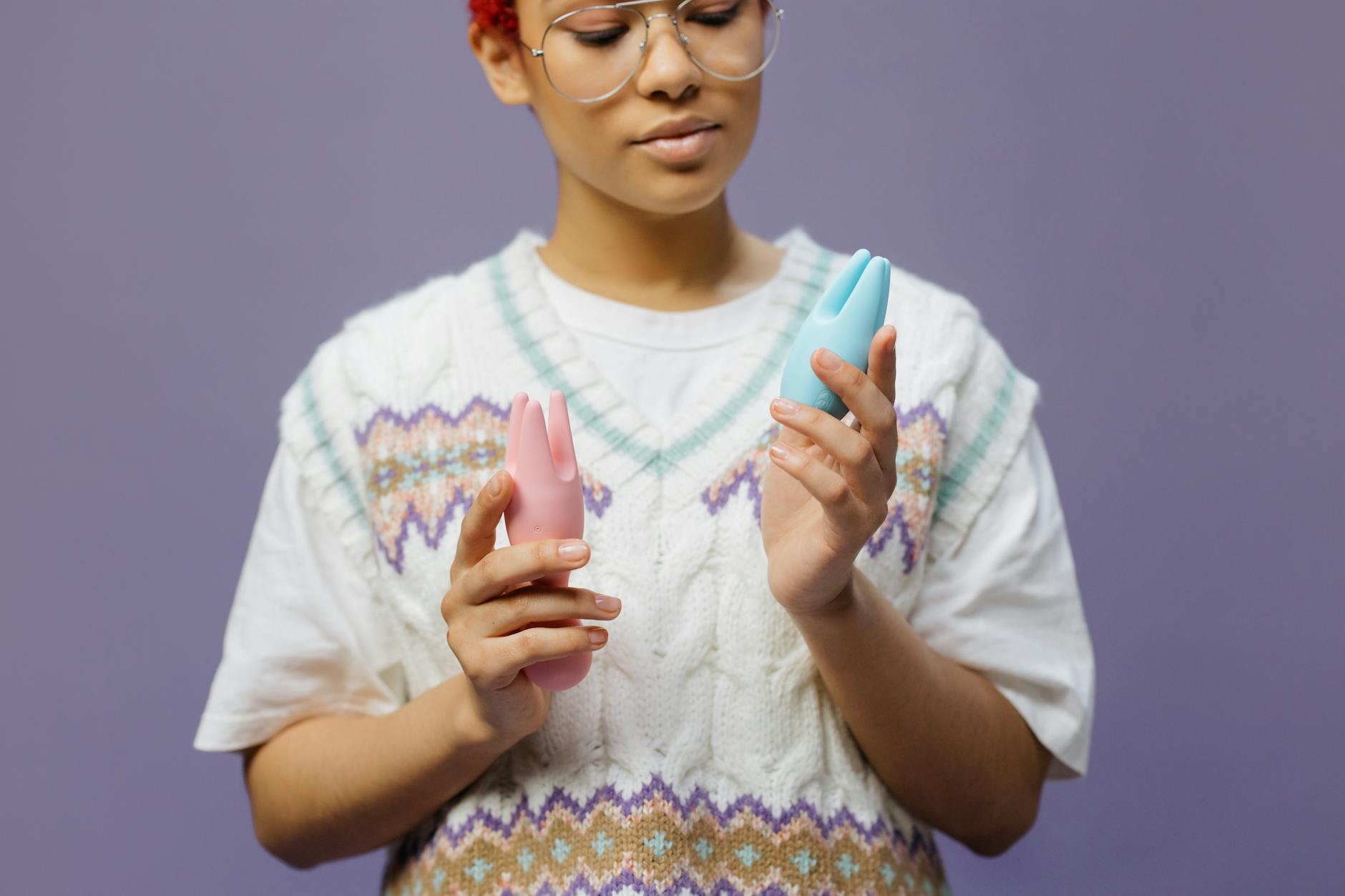
Let's talk about what pelvic floor dysfunction actually means for pleasure
Pelvic floor dysfunction isn't a sex-stopping diagnosis. But it does change how sensation feels down there, and it absolutely changes what feels good to reach for during recovery. The tight, gripping tension that defines the dysfunction? That same tension is what most traditional vibrators rely on to create intense sensation. So yeah, your old toys might feel uncomfortable right now. That's not weakness. That's your nervous system telling you what it needs.
Here's the thing about recovery: pleasure isn't off the table. It's just different for a while. A lemon clitoral vibrator, with its suction-based stimulation rather than aggressive buzzing, works fundamentally differently than bullets or wands. It doesn't require you to grip. It doesn't demand tension. It actually rewards relaxation. That makes it one of the smartest tools to use during pelvic floor healing.
Understanding what pelvic floor dysfunction does to sensation
Your pelvic floor is a group of muscles that support your bladder, bowel, and reproductive organs. When those muscles are chronically tight or weak, they change how stimulation registers in your nervous system. Tight muscles pull sensation inward and amplify it in ways that can feel painful rather than pleasurable. Touch that used to feel amazing now feels sharp or overwhelming. That's not permanent, but it is real right now.
What makes this tricky is that your brain is also involved. When your pelvic floor hurts or feels wrong, your nervous system learns to tense up even more as a protective response. Stimulation that creates even mild tension can trigger that protective clamp to kick in. And suddenly what should feel good feels like a trap your own body is setting.
This is why the suction mechanism in a lemon clitoral vibrator matters so much during recovery. Suction creates sensation through gentle lift and release rather than vibration. It stimulates the nerves in your clitoris without requiring your pelvic floor muscles to do anything. You can lie there completely relaxed, and the stimulation still registers beautifully. That's the escape route your nervous system has been looking for.
The timeline for reintroducing pleasure during recovery
If you're currently in pelvic floor physical therapy, check with your PT before adding any stimulation. Some therapists want you to focus purely on relaxation for the first 4-6 weeks. Others are fine with gentle external clitoral stimulation from week two onward. The window varies based on your specific situation.
Assuming you've cleared it with your therapist, here's the progression that works for most people:
Weeks 1-2 of cleared stimulation. Hands only. No toys yet. Your job is to notice what touch registers as pleasurable versus painful. Lie down completely flat, take five minutes just breathing and relaxing your pelvic floor consciously, then use a fingertip on the external clitoris only. Slow, gentle, no pressure. You're retraining your nervous system that touch equals good, not dangerous.
Weeks 3-4. Introduce the lemon vibrator on its lowest pattern (usually pattern 1 or 2 on a Hello Nancy lemon toy). Apply it externally only. Never insert anything. Keep sessions short, 5-10 minutes. You're teaching your pelvic floor that vibration is safe, not a threat.
Weeks 5 onward. If the first month felt good, you can gradually increase intensity and duration. But keep it external for as long as your therapist recommends. Some people need to wait 8-12 weeks before even considering internal stimulation. Patience here prevents you from sliding back into protective tension.
The mechanics of using a lemon vibrator safely during recovery
First, position matters. Lie on your back, one pillow under your head, one under your knees. This flattens your pelvic floor and prevents that automatic tension that comes from sitting or certain angles. Your whole job is to stay flat and relaxed.
Second, lube isn't optional anymore. Water-based lube on the external clitoris helps the suction mechanism work more smoothly and reduces any friction sensation that might read as uncomfortable to your healing nervous system. Apply it generously.
Third, start with pattern 1. The lowest setting. Most Hello Nancy lemon vibrators have five patterns. Resist the urge to ramp up. The point isn't intensity. It's learning your nervous system can experience pleasure without threat.
Fourth, focus on relaxation over sensation. This sounds backwards, but it's the whole game. Before you even turn on the toy, spend 2-3 minutes intentionally relaxing your pelvic floor. Breathe into the space between your hip bones. Imagine your pelvic floor as an elevator slowly descending to the basement. Once you feel that relaxation, apply the vibrator and maintain it. The moment you feel tension creeping in, stop. You're not building tolerance for tension. You're building tolerance for pleasure while relaxed.
Fifth, keep it short and consistent. Fifteen minutes is the maximum for the first month. Twice weekly is the target. More frequent than that can aggravate healing tissue. Less frequent and you lose the nervous system retraining effect.
When sensation feels wrong even on the lowest setting
If the vibration still feels sharp or triggering at pattern 1, you might not be ready yet. That's not failure. It's data. Back off for another 2-3 weeks and return to hands-only touch. When you do reintroduce the toy, consider applying it over your underwear the first few times. The fabric dampens vibration slightly and creates psychological distance that helps your nervous system relax.
Some people find that light external stroking with fingertips feels better than stimulation on the clitoris directly during early recovery. The sides of the vulva, the mons pubis, the inner thighs. Expand your map of pleasure beyond the goal-oriented clitoral focus that usually drives sessions. This serves dual purposes: it teaches your nervous system that sensation is everywhere, and it keeps you from aggravating the most sensitive area while it's healing.
If you're experiencing stabbing pain, sharp burning, or involuntary pelvic floor clenching during or after stimulation, that's a sign to pause toy use and discuss it with your PT. You might have a specific trigger point that needs different attention first.
The psychological part nobody talks about
Pelvic floor dysfunction carries a lot of shame. You might feel broken, like your body betrayed you, like pleasure is now something that happens to other people. That's trauma living in your nervous system. And no amount of patience with the toy will fix it if you're not addressing that.
When you reintroduce a lemon vibrator, you're not just retraining muscle. You're telling your nervous system that pleasure is safe again. That's big work. Some days you'll feel hopeful. Other days you'll feel angry at your body or disappointed if sensation is slower to return than you'd like. Both are normal.
One thing that helps: separate orgasm from the goal. For the first 2-3 months of recovery use, don't measure success by whether you come. Measure it by whether you felt safe. Did your pelvic floor stay relaxed? Did you enjoy 10 minutes of gentle touch? That's the win. Orgasm will follow once your nervous system trusts that pleasure isn't dangerous. Pushing toward it too early just brings tension back.
When to expand your practice
After 6-8 weeks of consistent, successful external stimulation, ask your PT about internal use. If they clear it, start with a single finger on the lowest vibrator pattern for 5 minutes, zero pressure. Don't insert anything beyond the first knuckle. The goal isn't depth. It's learning that internal tissues can feel pleasure without cramping in response.
Gradual progression prevents setbacks. If you jump to full intensity or length too quickly, your pelvic floor remembers how to protect itself and you're back to square one. The tortoise beats the hare here.
Also, this recovery period is a perfect time to explore the differences between lemon vibrators and traditional toys. You'll notice the suction design doesn't create the same intensity demands as bullets or wands. That's not a limitation. That's exactly what makes it the right tool for right now.
Red flags to watch for
Increased pain, bleeding, or discharge during recovery use means stop and contact your PT immediately. Your tissues might need more time. Numbness or loss of sensation also warrants professional input. Sometimes protective tension is so strong it creates phantom numbness that resolves with breathing and relaxation work. Other times it signals a nerve issue that needs different treatment.
If you notice that every session triggers pelvic floor tension even though you're trying to stay relaxed, you might have a conditioned response that requires professional support. This is when working with a pelvic floor physical therapist alongside the toy makes the biggest difference.
The relationship between mental state and pelvic floor tension is real. If you're using the vibrator while anxious about whether you're doing it right, or worried about setbacks, your pelvic floor will pick up on that energy and tense. Grounding techniques matter. A few minutes of deep breathing before touching yourself is part of the protocol, not a waste of time.
FAQ: Your questions about lemon vibrators and pelvic floor recovery
How long do I have to wait after pelvic floor dysfunction diagnosis before using any vibrator?
There's no universal timeline. Some people can introduce gentle external stimulation within 2-3 weeks of starting PT. Others need 6-8 weeks. It depends on the severity of your dysfunction, whether you have pain, and your specific PT's approach. Always ask your therapist before reintroducing any stimulation. They know your case. Nobody online does.
Why is a lemon clitoral vibrator better than a traditional vibrator for recovery?
Traditional vibrators use rapid oscillation that requires your pelvic floor muscles to engage or resist the sensation. A lemon vibrator uses suction, which creates pleasure through gentle lift and release. Your pelvic floor can stay completely relaxed while experiencing sensation. That's the whole advantage during recovery. You get pleasure without the tension trigger.
Can I use the Hello Nancy lemon vibrator if I have ongoing pain during sex?
Pain during or after sex while in recovery is a separate issue from general pelvic floor tension. Stimulation might actually aggravate it. Talk to your PT about whether you should pause toy use temporarily, modify how you're using it, or focus on different types of touch first. Pain is your nervous system's alarm. Listen to it.
Is it safe to use a lemon vibrator if I'm currently doing pelvic floor physical therapy?
Yes, if your PT clears it. Many physical therapists actually recommend sensate focus or gentle self-stimulation as part of recovery because it desensitizes protective responses. The suction design of a lemon vibrator makes it one of the safest reintroduction tools available because it doesn't demand muscle engagement the way traditional toys do.
What if I feel aroused but orgasm feels impossible right now?
That's common and usually temporary. Arousal and orgasm involve different nervous system pathways. You might feel plenty of sensation without reaching climax. That's okay. In fact, it's progress. You're decoupling arousal from the need to achieve orgasm. Once your pelvic floor settles, orgasm usually follows naturally. For now, enjoy the sensation without the goal.
How do I know if I'm pushing recovery too fast?
If sensation shifts from pleasurable to triggering, if tension returns after sessions, or if you feel pain that lingers, you went too far too fast. Back off for a few weeks. This isn't linear. You might have good weeks and harder weeks. That's normal healing. Consistency over time matters more than speed.
The bigger picture
Pelvic floor recovery isn't just about getting back to your old sex life. It's about building a new relationship with pleasure and your body. A lemon vibrator, with its gentle suction design and low-pressure approach, is the perfect companion for that journey. You're not rushing. You're not forcing. You're learning to trust your body again, slowly, with intention, and the results last because they're built on a foundation of safety rather than just toughness.
If you're navigating this recovery and want to discuss how to support your overall intimate life during healing, reach out to Hello Nancy. We're here to answer questions and help you find the tools that work for your specific situation.