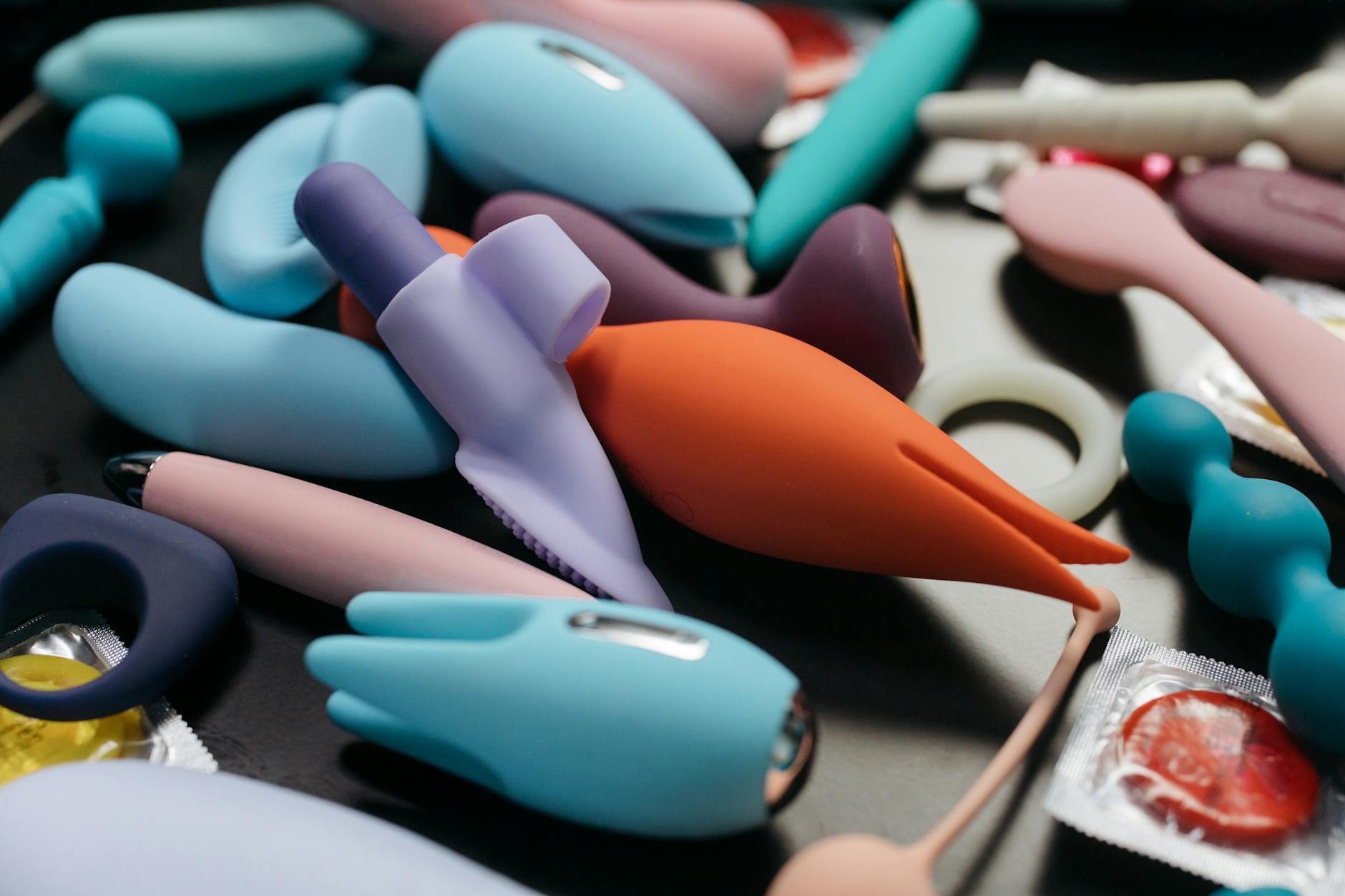
Here's what nobody tells you about estrogen and pleasure
Estrogen does way more than regulate your cycle. It controls blood flow to the vulva, tissue thickness, lubrication production, and how quickly your nervous system fires during arousal. When estrogen drops, all of that shifts at once. And most guides you'll find either pretend nothing changes or make it sound like your pleasure years are behind you. Neither is true.
The honest part: your body is responding differently. The exciting part: lemon clitoral vibrators are actually better suited to these changes than traditional vibrators, if you know how to use them.
Why estrogen drop changes physical sensation
Let me break down what's happening physiologically when estrogen declines, whether from menopause, certain medications, hormonal birth control, or other causes.
Vulvar tissue gets thinner. Estrogen keeps the vaginal and vulvar tissue plump and resilient. Without it, tissue becomes more delicate and sensitive to friction. This means direct, sustained pressure can feel less pleasurable and more uncomfortable.
Lubrication production decreases. Your body makes less of its own lubrication, which changes how stimulation feels. It also changes what you need to feel good. Many people find they need external lubrication for the first time, or need more than before.
Blood flow patterns shift. Arousal depends on blood rushing to genital tissue. Lower estrogen means that engorgement happens more slowly and sometimes less intensely. This doesn't mean you can't get aroused. It means the timeline changes.
Nerve sensitivity reorganizes. This is the weird part nobody discusses. Your clitoris doesn't lose sensation. The distribution of sensation changes. Some people find their most sensitive areas migrate slightly. Others find they need broader, less focused stimulation to trigger arousal.
Why lemon suction vibrators outperform traditional vibrators now
Traditional vibrators rely on rapid oscillation against tissue. When your tissue is thinner and more sensitive, that repeated friction can feel raw or overstimulating. You end up chasing sensation instead of enjoying it.
Lemon vibrators use air-suction technology. Instead of vibrating against tissue, they create a gentle sucking sensation that stimulates the entire clitoral complex, not just the surface. This matters enormously when estrogen has changed how your tissue responds to direct contact.
The suction approach also means less friction, which is gentler on thinner tissue. You get deeper stimulation without the surface irritation. For people navigating estrogen loss, this is often the difference between discomfort and genuine pleasure.
The patterns are crucial too. A lemon adult toy typically offers multiple intensity levels and patterns. When arousal takes longer to build, you can start at pattern one and let your body gradually amp up, rather than jumping straight to aggressive vibration.
The setup that actually works when estrogen drops
Three things change about how you use any vibrator when estrogen levels fall. Get these right and everything feels better.
Lubrication becomes non-negotiable. I don't mean this as "you're broken." I mean it as "your body is working differently now." Use a good water-based lubricant. It doesn't have to be a lot. A dime-sized amount on the toy or your vulva is usually enough. Reapply if you're going longer than ten or fifteen minutes. Silicone-based lubes feel nicer but can damage silicone toys, so stick with water-based unless your toy is explicitly rated for both.
Warm-up time doubles. When estrogen was higher, you might have gotten aroused in five minutes. Now budget fifteen to twenty. This isn't a problem. It's an invitation to slow down. Use the first five to ten minutes to touch yourself without the toy. Breathe. Notice what feels good. Then introduce the lemon vibrator at pattern one or two.
Start at lower intensity than you think you need. With traditional vibrators, jumping to high intensity sometimes felt necessary to feel anything. Lemon suction toys often work better at pattern two or three for people with estrogen loss. The suction reaches deeper tissue without needing aggressive speed. You can always turn it up. You can't un-overstimulate.
Mapping your sensitivity as estrogen changes
Here's what I tell clients: your sensitivity map is redrawn now.
Your clitoris is still there and still capable of pleasure. But where you feel it most intensely might have shifted. Some people find the shaft of the clitoris (the part above the visible glans) becomes more responsive. Others find they need stimulation on the hood or the surrounding vulva, not just the direct clitoral tip.
Spend a session or two exploring without worrying about orgasm. Use your toy at pattern one, move it around slightly, and notice where sensation is strongest. This takes twenty minutes. It saves you weeks of frustration.
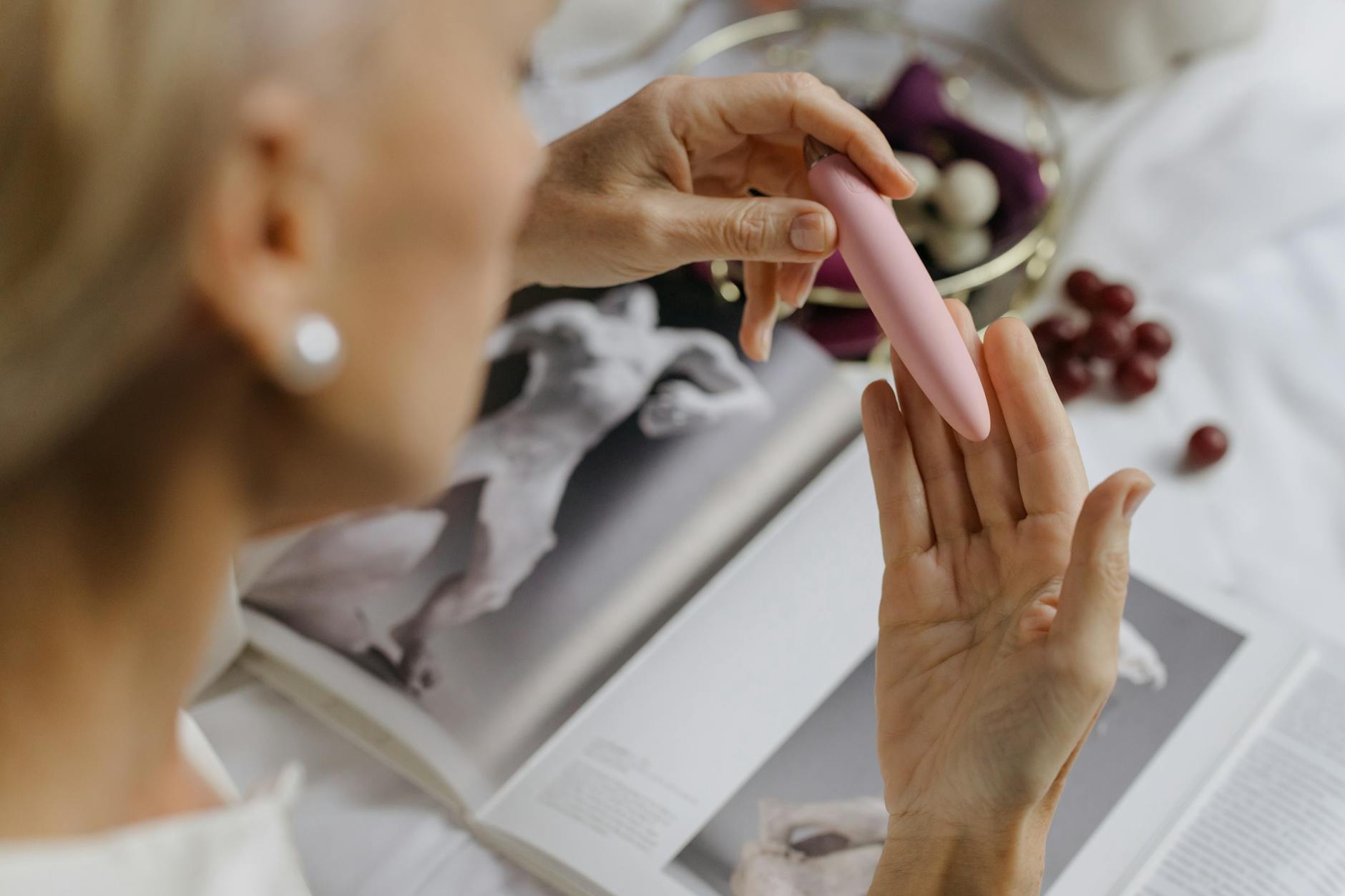
Photo by cottonbro studio on Pexels
Why orgasm timing shifts (and why that's not bad)
When estrogen drops, orgasms often take longer to reach. This frustrates people because they assume something's wrong. Usually it's not. Your nervous system just needs more input before threshold fires.
Lemon vibrators help because the suction sensation tends to build arousal more steadily than traditional vibrators do. Instead of a sharp on-off buzz, you get sustained pressure that your nervous system can work with.
Two strategies that help here.
First, combine patterns. Start at pattern one for three to five minutes. Move to pattern two. Then pattern three. This gives your system time to layer sensation instead of shocking it with intensity.
Second, explore with a partner or during partnered play. Sometimes the combination of a lemon vibrator plus hand stimulation from a partner creates the input your system needs. Or sometimes the emotional connection itself speeds arousal. Both are legit.
When to add external support
Lubrication is step one. Sometimes you need more.
Pelvic floor tension often increases when estrogen drops, which can make arousal feel blocked. If you're taking fifteen minutes to feel anything, even with a lemon clitoral vibrator, pelvic floor relaxation might help. The opposite of a Kegel: breathe deeply, consciously relax the muscles around your vulva and vagina, and let them stay loose while you stimulate. Many people find this unlocks sensation immediately.
If pain appears during stimulation, talk to a doctor. Genitourinary syndrome of menopause is real, common, and usually fixable with topical estrogen creams. You don't have to manage this alone.
If desire has evaporated entirely, that's a different conversation. Desire loss during estrogen drop is sometimes physical, sometimes emotional, often both. A therapist or doctor who understands this transition can help you sort it.
Partnered play when your body is changing
If you have a partner, the best thing you can do is separate two conversations.
Conversation one: "My body is responding differently to stimulation now." This is about your physiology. It's not about your partner or your relationship. It's about fact.
Conversation two: "I want us to explore this together." This is about reconnection and curiosity.
Many couples accidentally merge these and end up in a blame spiral. Don't. Tell your partner what's changed about your body. Then ask if they want to experiment with you. A lemon vibrator becomes a tool you explore together, not a replacement for their involvement.
In fact, many partners find this transition easiest when they're actively participating. They learn where your sensitivity is now. You both get to discover how suction feels different from traditional vibration. Pleasure becomes collaborative instead of solo troubleshooting.
FAQ: Estrogen Loss and Lemon Vibrators
How long does it take for pleasure to feel normal again after estrogen drops?
Three to eight weeks, usually. Your nervous system adapts faster than your tissue rehydrates. You might notice sensation improving within days of consistent lubrication and exploration. Full tissue resilience takes longer. Be patient. Consistent exploration helps more than sporadic frustration.
Can I use a lemon vibrator if I'm on hormone replacement therapy?
Absolutely. HRT changes the timeline (you might regain sensitivity in weeks instead of months) but doesn't change the fundamentals. You still benefit from lubrication, longer warm-up, and lower starting intensity while your body adjusts. The lem vibrator works alongside HRT, not against it.
Does estrogen loss make all pleasure impossible, or just orgasms?
Just orgasms. Many people report that sensation, arousal, and pleasure feel easier after estrogen loss than they expected. Orgasm is often what takes longer. Don't confuse the two. You can have wonderful pleasure without climax right now.
What if I'm on medications that also lower estrogen, like certain SSRIs or birth control?
Double effect. Your estrogen is lower from two sources. This usually means you need more lubrication, longer warm-up, and more exploration to map your sensitivity. A lemon clitoral vibrator is still your best bet. The suction technology doesn't rely on rapid friction, which matters even more when medication is also affecting sensation.
If lemon vibrators work better now, will I always need them?
Not necessarily. If you start HRT, tissue rehydrates and sensitivity often normalizes. If estrogen loss is permanent, you might find you eventually prefer lemon vibrators just because they feel better, not because you need them to feel anything at all. Your preferences might shift. That's normal.
Is it normal to feel numb or less sensation even with a lemon vibrator at first?
Yes. Numbness during the early phase of estrogen loss is common. It usually means you need more lubrication, longer warm-up time, or relaxation of pelvic floor tension. It doesn't mean your sensation is permanently gone. Give yourself permission to explore without pressure to orgasm. Pleasure comes back faster when you're not chasing it.
The bottom line
Estrogen loss changes how your body responds to pleasure. It doesn't end pleasure. It invites you to pay attention differently. A lemon vibrator, with its gentle suction and adjustable patterns, is designed for exactly this moment. Your job is to slow down, lubricate generously, and explore what feels good now.
Your pleasure matters. Your changing body deserves tools and patience and curiosity. If you want to talk through this transition with someone who understands both the physiology and the emotional side, that's what we're here for. Reach out at /contact.
Sources and Further Reading:
American College of Obstetricians and Gynecologists (ACOG). "Genitourinary Syndrome of Menopause." Patient Education Fact Sheets.
Goldstein, A. T., et al. (2016). "Hypoactive Sexual Desire Disorder: International Society for the Study of Women's Sexual Health (ISSWSH) Expert Consensus Panel Review." Menopause, 24(4), 357-374.
Wilson, L. C., & Scarpa, A. (2020). "The relationship between estrogen and sexual desire across the menstrual cycle." Archives of Sexual Behavior, 49(7), 2459-2475.
Please see our complete care guide and safety information for proper toy maintenance and health considerations.