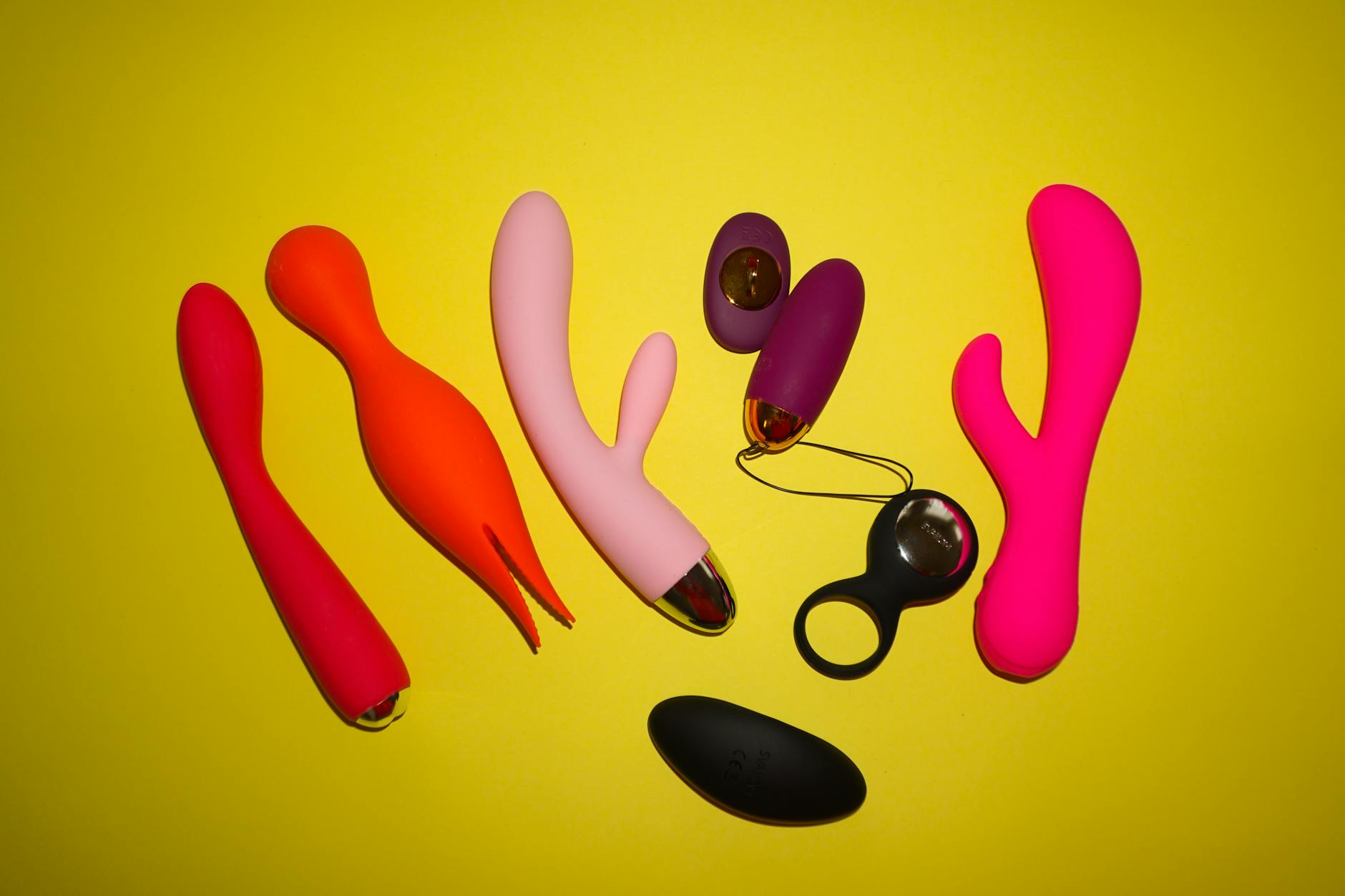
Let's be real about the fear
You want to bring something new into your partnership. A lemon vibrator. A tool that could change things for both of you. And you're stuck on the opening line because you're worried it'll land wrong. That your partner will feel threatened, think you're not satisfied, or assume you've been thinking about this for way longer than you have.
Here's the truth: that opening line matters way less than you think. What actually matters is the frame. And the frame is this: you're not asking permission to want something. You're inviting your partner into something you want to explore together.
Why this conversation happens now
Most couples avoid this talk because introducing toys feels like admitting something is broken. It's not. Bringing tools into your partnership is exactly what healthy couples do. You upgrade your kitchen knives when you get serious about cooking. You buy better speakers when you care about music. Lemon vibrators and other clitoral toys are the same. They're not plan B because plan A isn't working. They're the next chapter.
Timing is real though. Don't have this conversation when you're mid-conflict, post-argument, or when your partner is stressed about work. Pick a time when you're both calm and connected. A weekend morning. After dinner when the house is quiet. Not in bed right before sleep, when they might feel ambushed.
The actual words to use
Here's a script that works. Not because it's perfect, but because it's honest and specific:
"I've been thinking about trying something new together. I read about lemon vibrators and clitoral suction toys, and I'm genuinely curious. I think it could be really good for us. What do you think?"
That's it. Notice what's in there:
- You own the idea ("I've been thinking")
- It's collaborative ("together")
- You're specific, not vague ("lemon vibrators")
- You give a reason that includes them ("for us")
- You ask for their actual opinion
What's not in there: apology, shame, or framing it as a last resort.
If they seem interested, keep going. "I'm not saying anything's wrong with what we're doing. I just think this could be fun and feel really good. I'd want to explore it together." If they seem hesitant, you pause and listen. That's the whole conversation right there.
What they might actually be worried about
Your partner might worry that you find them insufficient. That you're comparing them to something. That using a lemon vibrator means they're not enough. None of that is true, but saying so directly doesn't help. Showing them does.
The best way to show them is to frame it as something you want to experience together, not instead of them. "I want to try this with you" is fundamentally different from "I want to try this alone." The first one is an invitation into closeness. The second one can feel exclusionary, even if it's not.
If your partner is resistant, resist the urge to convince them immediately. Instead, say something like: "I get that you're not sure. That makes sense. Let's just sit with it for a bit and talk again in a couple of weeks if you want to." Pressure kills curiosity. Patience builds it.
Why the Lem specifically works for couples
If you do move forward and decide together to try a lemon vibrator, here's why the Lem is the right choice for partnership exploration. It uses gentle suction and pulsing, which means it feels completely different from penetrative sex. It's not mimicking anything your partner can do with their body. Instead, it's adding a sensation that doesn't replace them, it amplifies the whole experience.
That distinction matters psychologically. When you introduce a tool that feels foreign to what your partner can provide, they're less likely to feel like they're being compared. The Lem creates a sensation your partner can participate in, not compete with.
Many couples find that using a lemon clitoral vibrator together actually deepens their connection because there's novelty and curiosity happening at the same time. You're both learning something. You're both vulnerable in a new way.
Making the first experience good
If your partner says yes, don't just order it and spring it on them. Talk about it first. Let them see pictures. Let them know what to expect. Knowledge kills anxiety.
When the tool arrives, read the instructions together. Yes, really. This is bonding, not boring. You're literally learning how to use it as a team. Then talk about when and how you want to try it. Some couples want the first time to be purely exploratory. Others want to integrate it into sex. Both are fine. Just agree on it beforehand.
Start slow. Low intensity. Communicate during. "Does that feel good?" "Want me to try a different pattern?" Simple check-ins make a huge difference. If it doesn't work the first time, that's normal and doesn't mean anything is wrong. Your body might need a few tries to learn the new sensation.
What often surprises couples
Two things happen more often than not:
First, the person with the clitoris usually experiences more intense or different orgasms. That's not a problem. That's the point. But sometimes partners worry that means they're no longer needed. Reassure them. "This feels amazing and I want to do this with you." Meaning matters.
Second, many couples find that the novelty and the vulnerability of exploring together actually brings them closer emotionally. You're both taking a risk. You're both trying something new. That builds intimacy that transcends the physical.
What if your partner says no
If they're not interested, don't push. Pushing kills desire and trust. Instead, say something like: "I hear you. I'm not going anywhere and neither are we. If you ever change your mind, I'd love to explore this together."
Then respect that boundary. Don't sneak around it. Don't bring it up every month hoping they'll cave. That breeds resentment. Sometimes people come around to things on their own timeline, and sometimes they don't. Both outcomes are valid.
If this is a major incompatibility for you, that's a different conversation. You might need a couples therapist to work through whether this is about the toy or about something bigger in your partnership. A good therapist can help both of you feel heard without judgment.
The bigger picture
Introducing a lemon vibrator or any new tool into your partnership is really about one thing: building a culture where you can ask for what you want without shame. Where curiosity is welcome. Where pleasure matters for both people.
That culture doesn't happen by accident. It happens because someone says the awkward thing first. And then the other person listens. And then you figure it out together. That's the whole story. The toy is just the vehicle.
Frequently asked questions
How do I bring this up if my partner and I have never talked about sex openly?
Start smaller. Ask them what they enjoy. Ask what they've always been curious about. Get comfortable talking about desire before you introduce a specific tool. Once you've had a few conversations about pleasure without judgment, bringing up a lemon vibrator feels less like a curveball and more like a natural next step.
What if I want to use a vibrator alone but my partner thinks I should only want them?
Your pleasure is not your partner's to control or gatekeep. Using a lemon clitoral vibrator alone is about knowing your own body and what feels good to you. That knowledge actually makes you a better partner. You can show them what you like. You're not being unfaithful or unhappy. You're being self-aware. That's worth defending gently but firmly.
Can a lemon vibrator actually improve our sex life together?
Yes, often. But not because something was broken. It improves things because novelty, curiosity, and vulnerability build connection. If your relationship is already strong, adding a new tool usually makes it stronger. If your relationship has deeper issues, a vibrator won't fix them. But it can open conversations that lead to fixing them.
How do I handle jealousy if my partner seems really into using it without me?
That feeling is real and worth naming. Say something like: "I feel a little left out when you use this without me. Can we talk about balancing solo exploration with shared exploration?" Then actually listen. Maybe they need their own solo time with it. Maybe you both do. Find the middle ground that works for both of you.
Should I be worried that introducing toys means my partner will want to escalate to other things?
Not necessarily. Using a lemon vibrator is its own complete thing. It doesn't obligate you to explore anything else. Every couple gets to decide what's right for them. You can use toys and never do anything else new. That's perfectly valid and perfectly enough.
What if my partner wants to use it but I'm not sure I'm comfortable?
Give yourself permission to say no or "not yet." Your comfort matters as much as theirs. If you're genuinely uncomfortable, that's real information worth discussing. If you're just nervous because it's new, that's different. Give yourself a little time to sit with it. Vulnerability usually feels scary before it feels good.