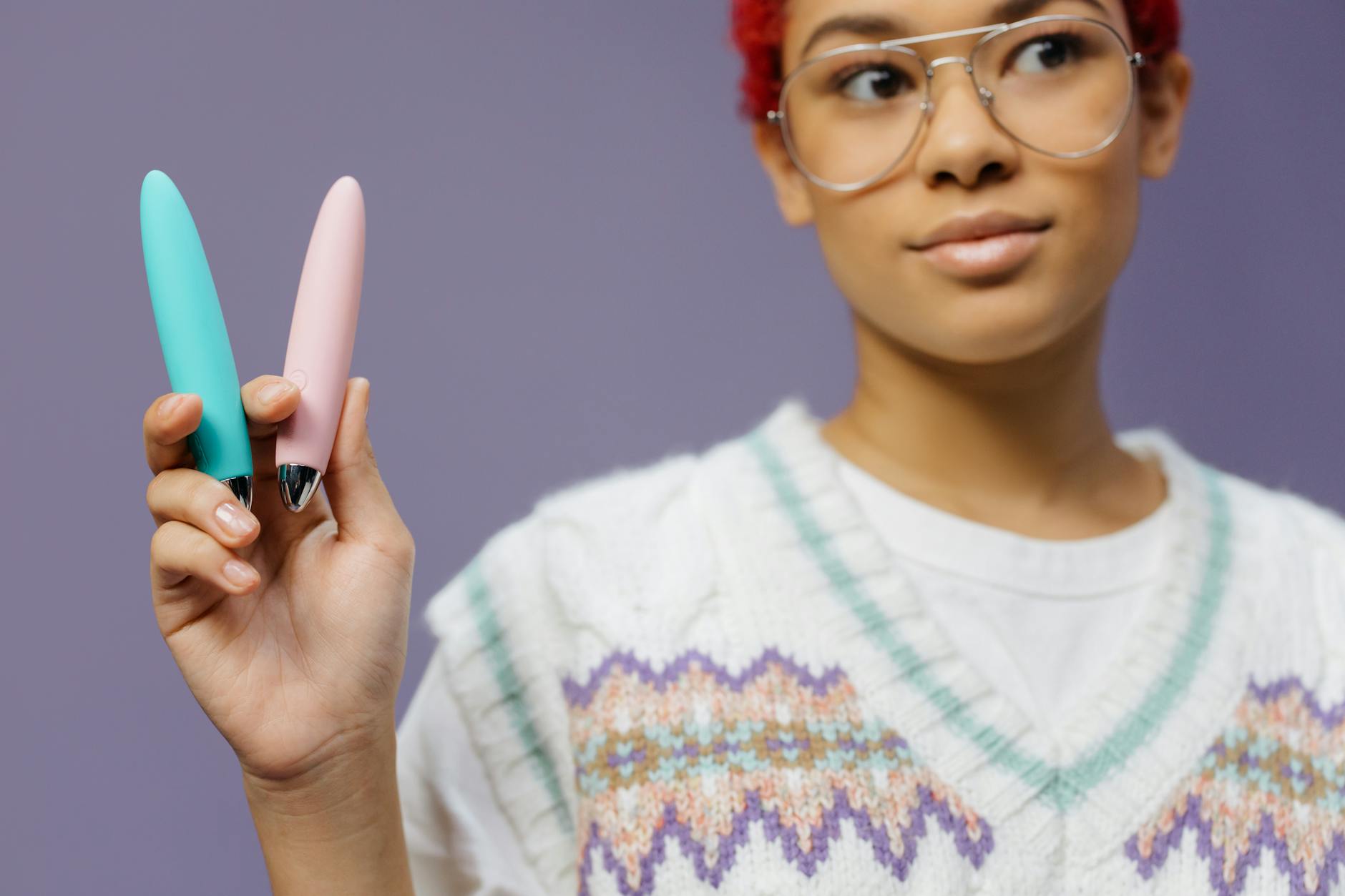
Let's be real about what menopause changes
Menopause doesn't kill pleasure. It remaps it. The estrogen drop is real. The tissue changes are real. The way a lemon clitoral vibrator feels against your vulva is genuinely different post-menopause than it was at 35. And honestly? That's not the catastrophe you've been led to believe.
Here's what I've learned from years of working with couples navigating midlife transitions. The shift in sensation isn't a loss. It's information. And when you know what's actually happening physiologically, you can work with your body instead of against it.
What estrogen loss actually does to tissue
Estrogen maintains vaginal and vulval tissue thickness, elasticity, and blood flow. When it drops, the tissue thins. It produces less natural lubrication. The skin becomes slightly more delicate. Your clitoral hood may retract slightly, changing how direct stimulation feels.
This is genitourinary syndrome of menopause, or GSM. It's common, it's reversible in many cases, and it changes everything about how external toys feel.
The tissue doesn't disappear. It doesn't become numb. It becomes more sensitive in some places and less responsive in others. A vibrator that felt perfect at 40 might feel too intense at 55. Or it might feel exactly right for the first time in your life.
Why lemon vibrators and air-suction design matter now
Traditional vibrators work through direct friction and rapid oscillation. They're great. But post-menopausal tissue benefits from a different approach, and that's where lemon clitoral vibrators shine.
Air-suction toys like the Lem use gentle pulsing pressure instead of friction. They stimulate the clitoral nerve clusters without the same mechanical grinding against thinned tissue. The sensation is concentrated without being harsh. Many of my clients report that lemon vibrators actually feel more pleasurable after menopause, not less.
This isn't marketing. It's biomechanics. When your tissue is thinner and more sensitive, suction-based stimulation often outperforms traditional vibration because it distributes pressure differently.
How sensation shifts during and after transition
Three concrete ways your body changes and how to adapt.
Arousal takes longer. Pre-menopause, you might feel turned on in five minutes. Post-menopause, plan for 15 to 25 minutes of foreplay or solo exploration before using a toy. This isn't dysfunction. It's a rhythm change. Honestly, the couples I work with who embrace this usually report better intimacy because it forces more intentionality.
Intensity tolerance drops initially, then restabilizes. In the first year or two post-menopause, vibrations that felt comfortable might feel overwhelming. The Lem's lower intensity settings suddenly become your favorite, not your starting point. But this isn't permanent. As your body adjusts, many people gradually return to higher settings as nerve sensitivity recalibrates.
Lubrication becomes non-negotiable. Your body still produces some natural lubrication, but not reliably, not consistently, and often not enough. Water-based lube isn't optional after menopause if you're using toys. It's basic equipment. I recommend keeping a bottle in every room where you might want to use a toy.
The emotional and relational piece you can't skip
Menopause doesn't just change your body. It changes your context. You might be navigating adult children leaving home, a partner's midlife shift, your own career evolution, or grief that has nothing to do with hormones.
Many women I work with blame menopause for pleasure changes that are actually driven by relationship fatigue, unresolved hurt, or disconnection from their own desire. The tissue changes are real. But they're rarely the whole story.
If you're working with a partner during this transition, separate the conversations. "My body feels different during sex" is different from "I want us to reconnect." "I need more warm-up time" is different from "I'm not sure I still want this with you." Bundling them together turns both conversations into a dead end.
When to reach out to a practitioner
Pain during or after sexual activity isn't normal, even in menopause. GSM is treatable. Topical estrogen creams, vaginal moisturizers, and systemic hormone therapy all exist and work. A menopause-trained gynecologist or nurse practitioner can prescribe solutions that take weeks to months to transform the experience.
If desire has completely disappeared, it's worth exploring with a provider who understands menopause. Testosterone therapy is available, though prescribed more conservatively in some regions. For the right person, it's life-changing.
Practical setup for lemon vibrators post-menopause
Four small changes that make a huge difference:
Start on the lowest setting. If you owned a Lem before menopause, you probably used settings three to five. Now try starting at one or two. You can always turn it up. It's harder to recover from overstimulation.
Use silicone-based lube on your skin, water-based on toys. Water-based lube can damage the silicone on toys like the Lem. Use a tiny bit of silicone lube on your vulva first, then water-based lube directly on the toy. This layering approach gives you both comfort and toy longevity.
Plan your session timing. Late morning or early evening often works better than right before bed, when fatigue makes arousal harder. Menopause-related hot flashes and sleep disruption are real. Schedule pleasure when your nervous system is actually available.
Warm up your toy. Run a lemon vibrator under warm water before use. Cold silicone against sensitive post-menopausal tissue isn't pleasant. A few seconds under the tap makes a genuine difference.
What stays the same (and this matters)
Your clitoris still has the same nerve endings. Your brain still produces the same neurochemicals during arousal and orgasm. Your capacity for pleasure hasn't changed. The nerve pathways that deliver satisfaction are intact.
Many of my clients report that their most intense orgasms arrive after menopause. This isn't rare. It's common enough that I mention it to almost every woman entering this transition. With less hormonal noise, less fertility anxiety, and often more permission to prioritize your own pleasure, sex can actually get better.
Menopause is the middle chapter of your sexual life, not the final one. What's on the other side often feels richer and more intentional than what came before.
FAQ
Does menopause make orgasms impossible? No. Your clitoral nerve density doesn't change with menopause. Orgasms are still possible and often still intense. Tissue thinning and reduced lubrication change how stimulation feels, not whether pleasure is achievable.
Will a lemon vibrator feel the same as it did before menopause? Likely not. Air-suction toys like the Lem often feel less intense on post-menopausal tissue because they distribute pressure differently than traditional vibrators. Many women find they actually prefer this sensation after menopause.
How long until pleasure normalizes after menopause starts? Tissue changes plateau around two to three years post-menopause. Your arousal pattern, sensitivity, and what works best stabilizes within that window. But "normal" is different from pre-menopause normal. It's just different, not worse.
Can hormone therapy help with how toys feel? Yes. Systemic hormone replacement or localized estrogen creams can restore some tissue thickness and elasticity, which changes sensation. But many women find lemon vibrators actually work better for post-menopausal bodies even without HRT.
What if lube causes irritation after menopause? Try different lubes. Some people develop sensitivity to certain ingredients post-menopause. Water-based lubes without glycerin or propylene glycol are gentler for sensitive tissue. You might also explore hyaluronic acid-based lubes, which hydrate tissue itself.
Is it normal to need more warm-up time after menopause? Completely normal. Reduced estrogen slows the initial stages of arousal. Budget 15 to 25 minutes of foreplay or self-exploration. This isn't dysfunction. It's just how post-menopausal bodies work, and honestly, it often leads to deeper satisfaction.
Sources and further reading
Genitourinary syndrome of menopause. American College of Obstetricians and Gynecologists, 2021.
Aranda-Abreu, Gabriela E., et al. "Menopause and sexual function." Journal of Menopausal Medicine, vol. 24, no. 3, 2018, pp. 157-165.
Rose, K.S., and Taylor H.S. "Vaginal estrogen use in the United States." Menopause, vol. 23, no. 10, 2016, pp. 1147-1153.
Doctors on air-suction toy design and post-menopausal response to external genital stimulation continue to emerge in sexology literature. The Lem and similar lemon clitoral vibrators remain among the most recommended tools for this life stage in clinical practice.
If sensation changes are new and distressing, reach out to a menopause specialist. You don't have to navigate this alone, and you absolutely don't have to accept that pleasure ends here. It doesn't.