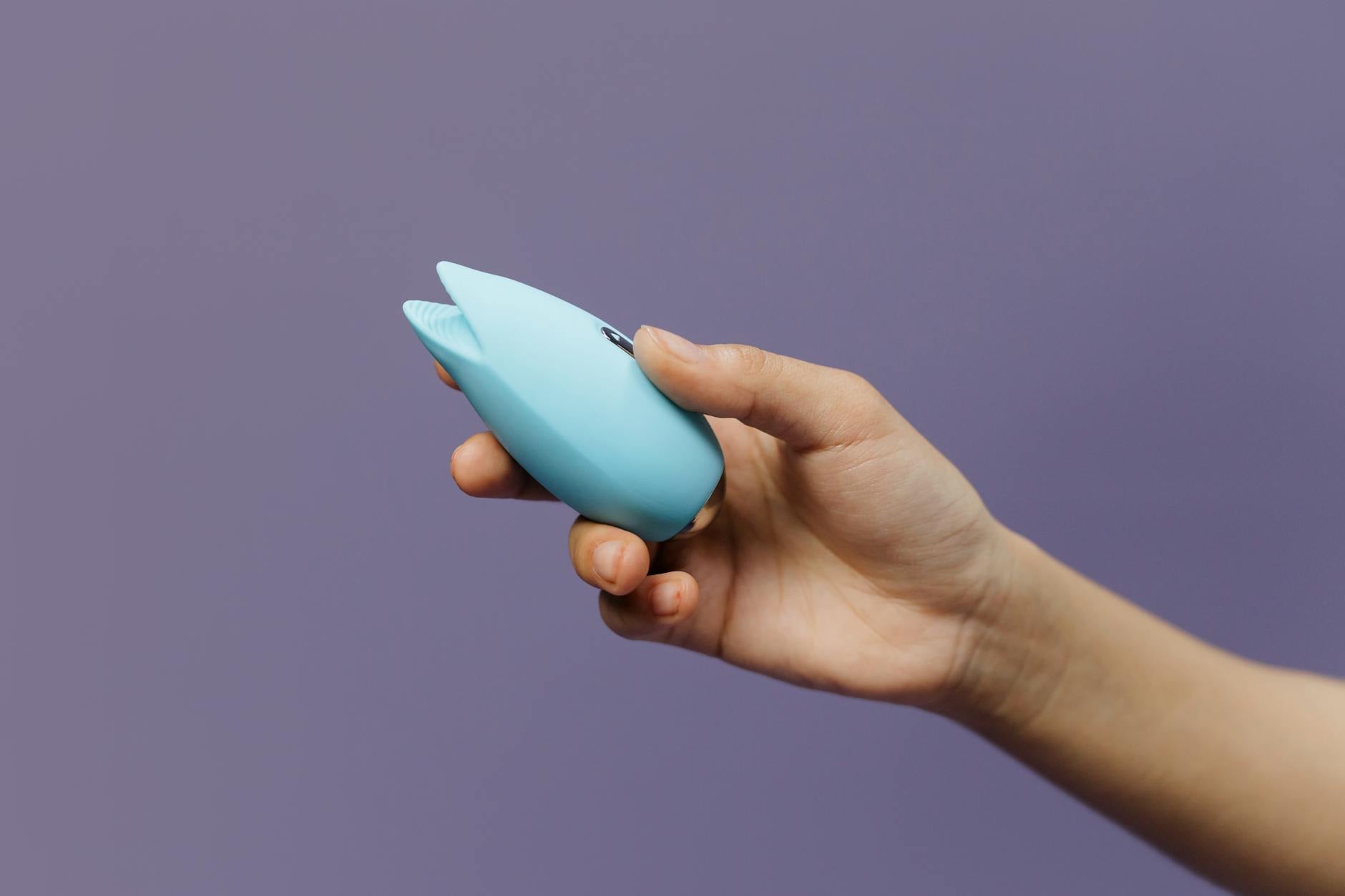
Let's talk about PCOS and pleasure
PCOS doesn't just affect your cycles. It shifts your hormones, your tissue sensitivity, your energy levels, and yes, your physical pleasure. The frustrating part? Most of the conversation around PCOS stops at fertility and stops nowhere near sexuality. Your body deserves better information than silence.
Here's what I'm going to be honest about: lemon vibrators, and other clitoral vibrators in general, feel different for people with PCOS. Not worse. Different. And understanding that difference is the difference between fighting your body and working with it.
What PCOS actually does to your hormones
Polycystic ovary syndrome means your ovaries produce higher levels of androgens (which includes testosterone) alongside lower or irregular estrogen and progesterone. This isn't a small tweak. It's a different hormonal landscape than someone without PCOS is navigating.
That elevated testosterone? It affects arousal differently. People with PCOS often report higher baseline desire, but also faster cycling between arousal and plateau phases. Your clitoris gets more blood flow during arousal. Your tissue is often thicker and slightly less sensitive to light touch. Your pelvic floor can hold tension differently.
The result is that lemon clitoral vibrators, which work through suction and micro-pulsations rather than raw vibration, respond to this physiology in specific ways.
Why suction changes the game for PCOS bodies
A traditional vibrator relies on rapid oscillation against tissue. For people with PCOS, that can feel either too much or oddly muted. The testosterone-influenced tissue thickness means you're not going to feel light vibration the same way. You need something with more focus.
Lemon vibrators use a different mechanism. They create suction around the clitoris, stimulating thousands of nerve endings without requiring direct friction. This matters for PCOS because your clitoris is already getting more blood flow during arousal (thank testosterone). You don't need more friction. You need intelligent stimulation that doesn't override your body.
Most people with PCOS I work with report that the Lem vibrator, a lemon-shaped clitoral vibrator, creates more consistent sensation because the suction adapts to your tissue naturally. No fighting against thickness. No searching for the exact angle. Just focused, intelligent stimulation.
The intensity dial question
Here's where PCOS bodies diverge from the template. With higher androgens, your pain threshold can be higher. Your sensitivity to intense stimulation is often different. This is not universal, but it's common.
When you're using a lemon sucker vibrator, start at the middle settings (patterns 3-5), not the lowest. Your body will tolerate more than someone without PCOS, and starting too low can feel frustratingly vague. You're not broken if you like stronger sensation. You're navigating a different baseline.
The advantage of the Lem's design is the intensity range. You have real granularity from gentle to intense without jumping from "almost nothing" to "too much."
Arousal timing and PCOS
One of the fewer-discussed PCOS effects is arousal speed. Because of elevated testosterone, many people with PCOS reach arousal faster than they expect. Orgasm can also come faster. This is actually fine, but the cultural narrative around "taking your time" can make you feel like something's wrong.
It's not. You have different wiring. A lemon vibrator supports faster arousal because you don't need a long warm-up period. You can use lower settings during the initial stages and ramp up quickly. Some people with PCOS find they prefer solo sessions where they can move at their own pace, then bring a partner in. Others find that acknowledging the faster arousal cycle with a partner actually reduces performance anxiety.
The real win? Understanding your rhythm and choosing tools (and partners) that fit it, not fight it.
Lubrication needs and PCOS
Here's another place PCOS physiology shows up. Testosterone doesn't decrease vaginal lubrication the way low estrogen does. Many people with PCOS actually have adequate natural lubrication. But some don't, and it's worth checking in with yourself rather than assuming.
If you do need added lubrication, water-based works universally with silicone toys like the Lem. Silicone-based lubes can damage silicone toys. Stick to water-based, and honestly, if your natural lubrication is fine, you don't need it. The suction mechanism of a lemon clitoral vibrator doesn't require the same friction coverage that a traditional vibrator does.
Energy levels and desire fluctuations
PCOS often comes with insulin resistance and fatigue. This is metabolic, not psychological, but your nervous system doesn't know the difference. You might have high baseline desire but low energy to act on it. Or you might have cycles where PCOS symptoms flare and sexuality feels far away.
A lemon vibrator is useful here because it requires zero stamina. You can use it lying down. You can use it for five minutes or thirty. There's no performance requirement. If your energy is low but desire is there, a quick session with a Lem can satisfy you without exhaustion.
PCOS, partners, and communication
If you have a partner, the conversation gets more nuanced. Your faster arousal, your different sensation thresholds, your energy patterns. These are all pieces of information your partner needs. Not to "fix" you, but to understand how you actually work.
Many people with PCOS feel like their bodies are broken versions of the template. They're not. They're different templates. A partner who gets that can actually help you enjoy pleasure more, not less. Whether that's by using a lemon clitoral vibrator together, adjusting timing, or just understanding why your cycle feels different.
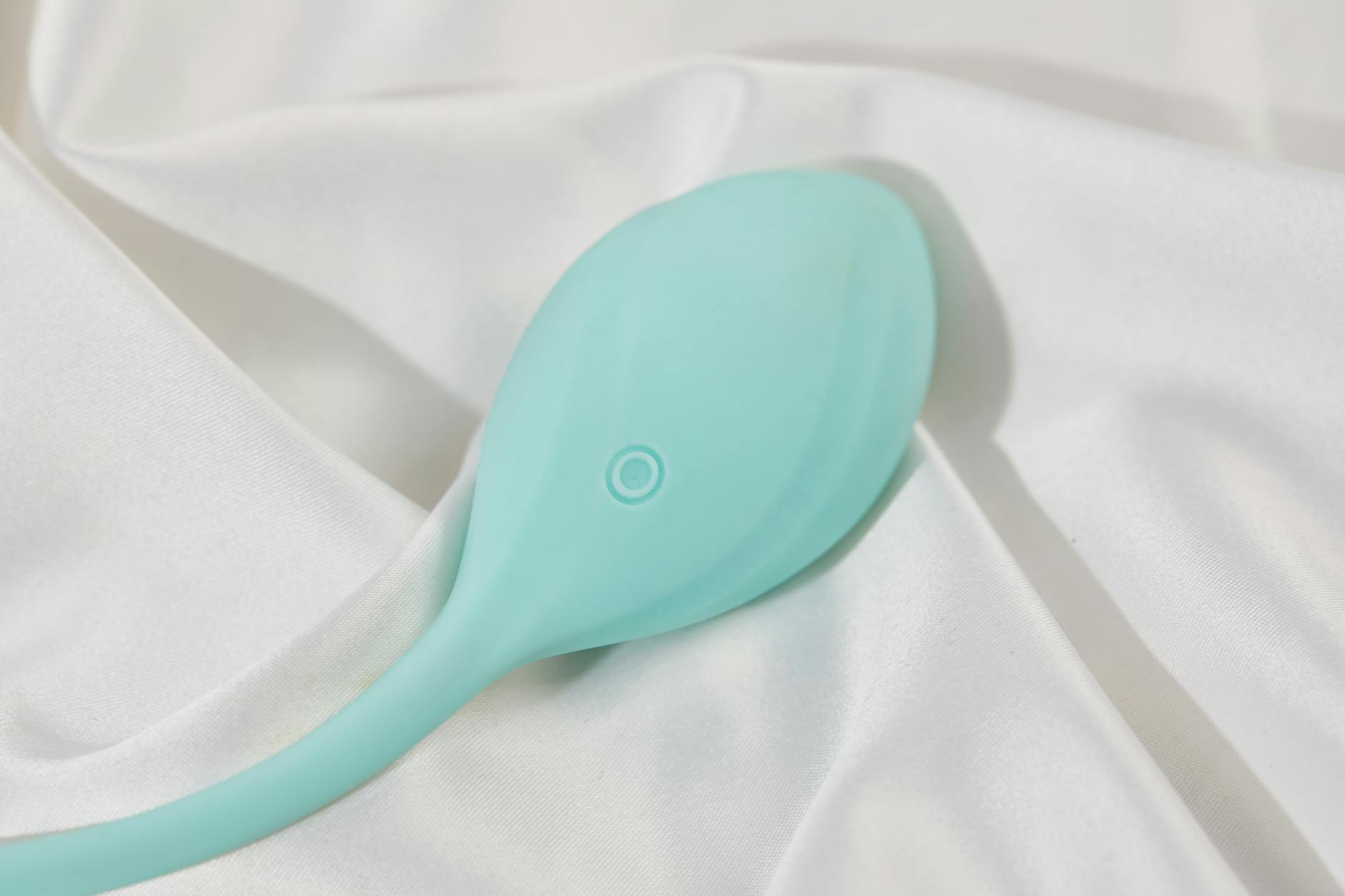
Photo by IFONNX Toys on Pexels
When to check in with a doctor
If pain shows up during arousal, that's a signal to talk to your gynaecologist, not just assume it's PCOS. PCOS can coexist with endometriosis or other conditions that do affect sensation. If your desire completely flatlines (separate from your energy dips), that might be worth exploring with a doctor too, especially if you're on hormonal management for PCOS.
Most of the time, adjusting your approach to pleasure is enough. But sometimes your body is telling you something needs clinical attention. Listen to that.
The actual picture
PCOS changes pleasure. It doesn't end it. Your body isn't broken. You're navigating a different set of parameters, and once you understand them, you can actually work more effectively with yourself. A lemon vibrator, like the Lem, adapts to your physiology instead of forcing you to adapt to it. That's the real win.
If you're struggling with how PCOS is showing up in your sexuality, especially in a relationship, talking to a therapist who understands both PCOS and sexuality can help. You deserve pleasure that fits your body, not a template.
People also ask
Does PCOS make you more sensitive during sexual arousal?
Not exactly. PCOS typically increases tissue thickness and blood flow, which can actually make you less sensitive to light touch but more responsive to focused, intense stimulation. Many people with PCOS report needing stronger sensation to feel satisfied, which is why tools like lemon vibrators that offer granular intensity control work so well. Your sensitivity isn't lower—it's differently calibrated.
Can PCOS affect orgasm quality?
Yes. Because testosterone levels are elevated, the intensity and speed of orgasm can feel different than the cultural template suggests it "should" feel. Orgasms might arrive faster, feel more concentrated, or cycle quickly into multiple orgasms. These aren't dysfunction. They're PCOS physiology. Once you stop fighting them and start working with them, pleasure often improves.
Should I use a different vibrator if I have PCOS?
Not necessarily different, but intentionally chosen. A traditional vibrator might feel too scattered or require too much pressure. Lemon clitoral vibrators use suction instead of raw vibration, which adapts better to PCOS tissue thickness. The key is choosing something with a wide intensity range so you can dial into your actual sensitivity, not an assumed baseline.
Does PCOS affect lubrication during arousal?
Variably. Unlike low estrogen, elevated testosterone doesn't necessarily decrease natural lubrication. Some people with PCOS have plenty. Others struggle with dryness. The best approach is to check in with your own body instead of assuming. If you need added lubrication, water-based works with all silicone toys, including lemon vibrators.
How does PCOS interact with arousal medication or libido supplements?
If you're managing PCOS with medication, especially hormonal management, your sexuality might shift with dose or timing. Some people find that certain medications flatten desire. Others find the opposite. This is worth discussing with your doctor and a therapist who understands both PCOS and sexuality. A lemon vibrator can't fix medication effects, but it can help you understand your baseline by removing variables.
Can I use a lemon vibrator during different phases of my PCOS cycle?
Most people with PCOS have irregular cycles, which makes "phases" harder to track. What matters is paying attention to how your body actually feels on any given day. Some days you'll want intense stimulation. Other days lighter touch. A lemon sucker vibrator with multiple intensity settings lets you dial into that without switching tools. That flexibility actually supports PCOS bodies better than a single-speed toy.
Moving forward
Your sexuality and your PCOS don't have to be at odds. They're part of the same body. Understanding how your hormones affect pleasure, choosing tools that work with your physiology instead of against it, and communicating clearly with partners (and yourself) about what you actually need—that's the foundation. Learn more about how to talk with your partner about pleasure, or explore how different body sensitivities affect vibrator choice. If you're navigating PCOS and sexuality feels complicated, reach out. You deserve support.