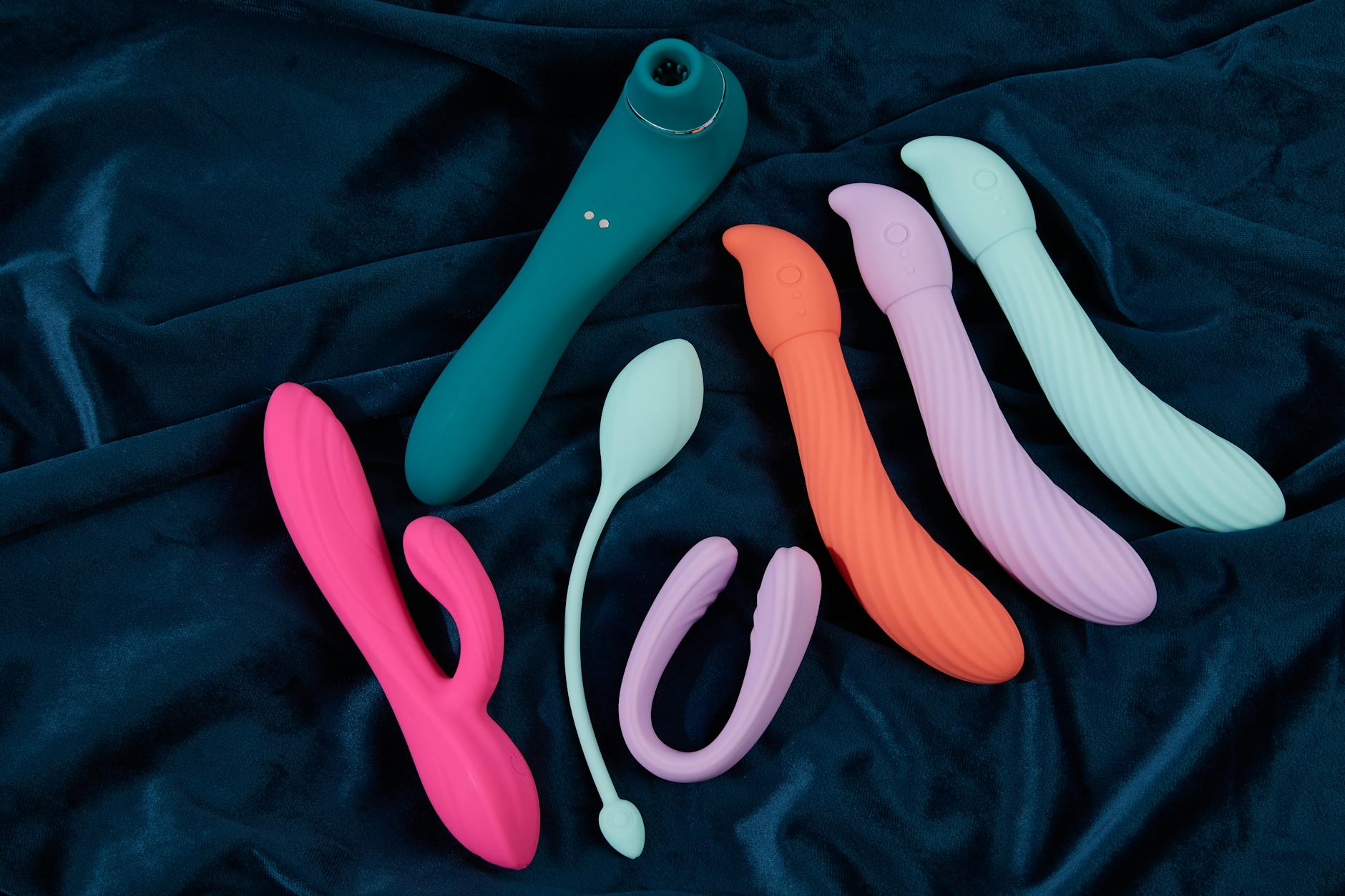
Let's be real about bringing toys into a new relationship
Introducing a lemon vibrator early in a relationship feels different than using one solo. The physical sensation stays the same. The psychological weight shifts completely. You're not just exploring your own pleasure anymore. You're negotiating vulnerability, trust, and what both of you believe sex should look like.
That's not drama. That's just the texture of early intimacy.
Why the same vibrator feels new with someone else
When you use a clitoral vibrator like the Lem alone, you're in control of the entire experience. The pace, the setting, the exact moment you introduce it, whether you finish or stop mid-way. Your nervous system isn't tracking another person's reaction.
With a partner present, especially one you're still getting to know, your brain is doing triple duty. You're experiencing physical sensation, yes. You're also reading your partner's comfort level, noticing whether they seem engaged or uncertain, managing your own self-consciousness about being watched in that moment. That cognitive load changes what your body actually feels.
The vibrator hasn't changed. You have.
The vulnerability piece nobody talks about
In early relationships, using a toy can feel like a confession. "This is what I need. This is how my body works best." Some partners hear that as "you're not enough." Most hear it as "here's something that helps me." But you won't know which one you're dating until you try, and that uncertainty gets baked into the experience.
Your nervous system remembers this. The Lem will literally buzz the same way it does when you're alone. But your body will register novelty, exposure, and stakes. That changes the sensation. Sometimes it makes things more intense because of the added psychological layer. Sometimes it creates just enough tension to make reaching orgasm harder.
Both reactions are completely normal.
What actually helps in the first few times
Three practical shifts:
Start with conversation, not with the toy. Not a therapy session. Just "I like using vibrators, and I'd love to explore with you" gives your partner time to adjust to the idea before you're both in the moment. Surprise introductions create more friction than intimacy.
Let your partner control the Lem at least once, even if it feels weird. This flips the dynamic from "you're watching me" to "we're exploring together." It also takes away your partner's guessing about whether you actually want this or you're doing it because you think they want it. Once they feel how it works and what it does, the energy usually shifts.
Plan the first time with it when you're not already in the middle of sex. Introducing a vibrator mid-session adds too many moving parts. Use it as an opener instead. Less pressure. More time to notice how it actually feels to have them present while you use it.
The trust factor that changes everything
Over time, using a lemon clitoral vibrator with a partner becomes less about proving anything and more about shared discovery. But that shift doesn't happen in week two. It happens when your partner stops monitoring whether the vibrator is "working" and starts noticing what turns you on. When you stop managing their ego and start actually enjoying the sensation.
One of my couples started using the Lem about three months in, after months of awkward conversations about whether toys were "needed." The partner asked one question that changed the whole dynamic: "Can I watch you figure out what you like?" Not "let me help you come." Not "are you okay without me." Just curiosity. That shifted the whole energy. The vibrator felt less like a comparison and more like they were learning you.
When resistance shows up (and how to read it)
Not every partner is ready for a lemon vibrator conversation, and not every "no" means the relationship is doomed. Some people need time. Some have genuinely felt rejected by toys in past relationships. Some are dealing with their own insecurity about performance.
The question isn't "do they accept this immediately." The question is "are they willing to talk about why and explore it." A partner who says "this makes me uncomfortable, let's talk about it" is showing you something workable. A partner who shuts you down completely or makes you feel ashamed for wanting this is showing you something you need to pay attention to.
Your pleasure deserves space in your relationships.
How the sensation actually changes over time
In the first month with a new partner, you might notice the Lem feels more intense. Your nervous system is lit up. Arousal builds faster. Orgasms might feel sharper or less accessible depending on your anxiety level.
By three to four months, most couples report that the novelty settles. The vibrator becomes part of the rotation, not the main event. It feels less like a special tool and more like something you both reach for when it fits. The physical sensation stays the same. The psychological charge loosens.
Some couples find that using lemon clitoral vibrators together actually deepens trust faster than most things do. You're literally sharing access to your own pleasure. That vulnerability, once you get through it, builds something real.
The thing nobody warns you about
You might discover that you orgasm faster or more intensely with a partner and a vibrator than you ever did alone. This sometimes surprises people who worry that toys create distance. Often it's the opposite. Bringing your full self into sex, including what you actually need to come, can make the whole thing feel less performative and more connected.
Or you might find that you actually prefer using the Lem solo. Your nervous system might just work better alone. That's also completely valid and doesn't mean anything is wrong with the relationship.
The point is you don't know until you try, and early relationships are where you get to figure this out.
FAQ
What if my new partner thinks vibrators mean they're not enough?
Have the conversation before the vibrator shows up. Say something like: "I love sex with you. I also know my body responds really well to this sensation, and I'd love us to explore it together." Frame it as addition, not replacement. Most partners respond better to honesty than to a toy suddenly appearing.
How soon is too soon to introduce a lemon clitoral vibrator?
There's no universal timeline. Some couples do it in week three. Some wait six months. The real marker is whether you both feel safe being vulnerable. If you're still managing what you say in other areas of the relationship, adding a sex toy conversation probably isn't the move yet.
Will using a vibrator with a new partner make them expect it every time?
Not unless you set that expectation. If you use it occasionally, it stays occasional. If you use it every single time, it becomes the pattern. You get to decide how often it's part of things. Same as anything else in sex.
Can using a vibrator together actually improve intimacy in a new relationship?
Yes. It requires communication about what you both want and why. It creates a moment where you're literally on the same team instead of one person performing for another. That vulnerability, handled with kindness, builds trust. The Lem is just the tool. The real shift is showing each other what you actually need.
What if I want to use a vibrator but my partner isn't interested?
You get to use toys. Your partner doesn't have to participate. You can use a vibrator solo while they're in the room, or separately, or never involve them. Your pleasure doesn't require their approval. But you do need a relationship where your needs are respected, even if they're not shared.
Does using a vibrator with a partner change how it feels physically?
Yes, sometimes dramatically. Your nervous system reacts to the presence of another person. Added arousal, added anxiety, or both can change sensation. That's not bad. It's just different. Give it time before deciding if it's right for you.
The real shift
What actually changes when you introduce a lemon vibrator to a new relationship isn't the vibrator. It's that you're choosing to be honest about what your body needs. That honesty, when met with curiosity instead of defensiveness, builds the kind of trust that actually lasts.
The sensation might feel different the first few times. The relationship will feel different too. Whether that's better depends entirely on how you both show up.
If you're ready to have this conversation with your partner, start with what you actually want. Not what you think they want to hear. Not what you're scared of. Just the truth about your pleasure. Most partners respond better to that than you'd think.
Need help thinking through how to start the conversation? Let's talk.
Sources
Gottman, J. M., & Silver, N. (2015). The seven principles for making marriage work. Harmony.
Perel, E. (2006). Mating in captivity: Unlocking erotic intelligence. HarperCollins.
Nagoski, E. (2015). Come as you are: The surprising new science that will transform your sex life. Simon & Schuster.