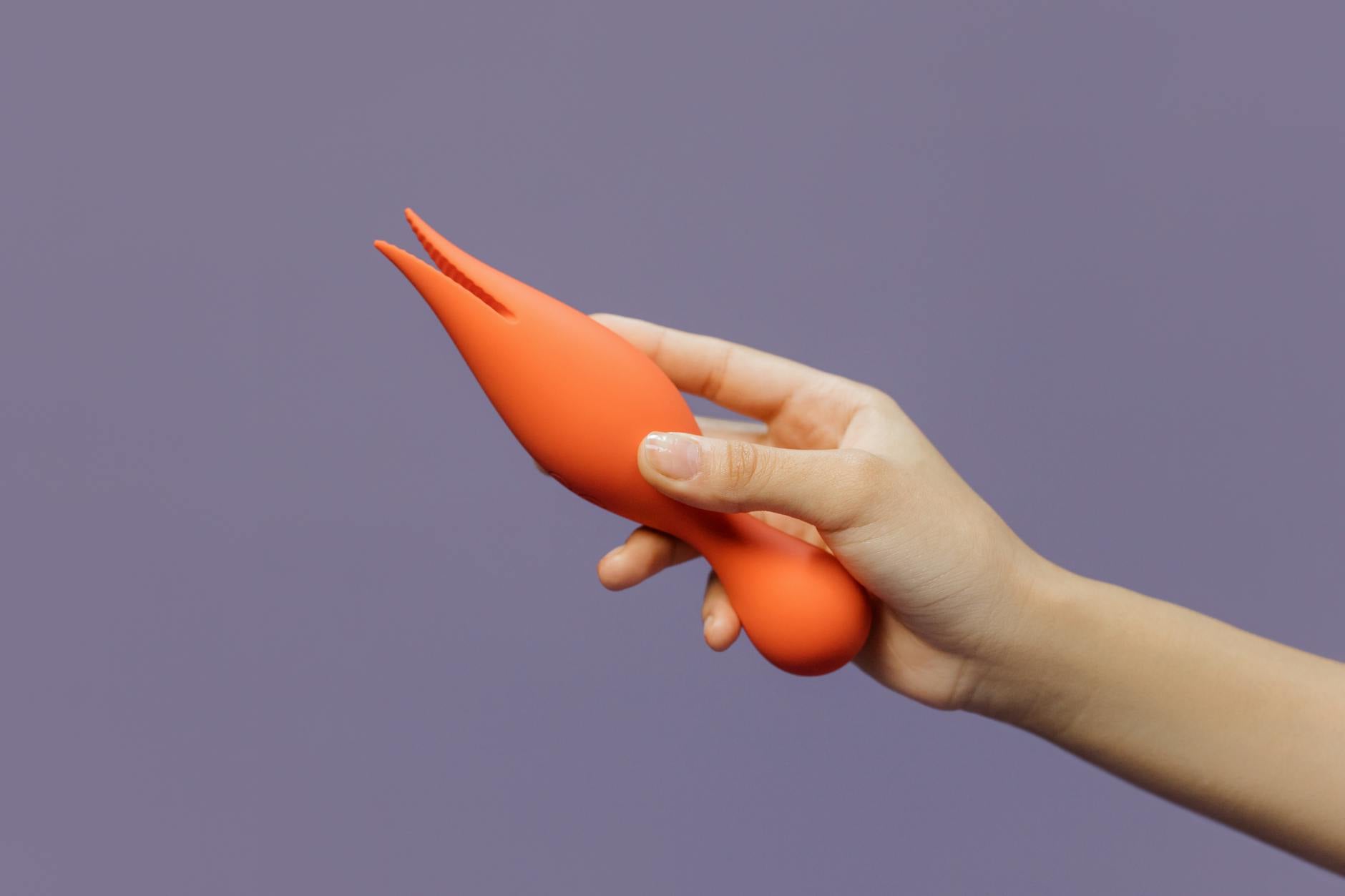
Why Lemon Vibrators Feel Different With Age-Related Tissue Changes
Honestly, let's start here: your body doesn't stop wanting pleasure. What shifts is how it responds to stimulation, and that shift matters because most people get zero guidance on it.
Tissue changes happen gradually over decades. Collagen production slows. Blood flow patterns adjust. Nerve sensitivity recalibrates. None of this is a personal failure. It's biology. And luckily, understanding it means you can actually enjoy yourself more, not less.
How tissue actually changes over time
Your vulva's outer tissues start losing elasticity around your 40s, sometimes earlier depending on genetics, hormone levels, and overall health. This isn't dramatic. It's subtle. The skin becomes slightly thinner, less plump. The labia minora might shift slightly in shape. Internally, the vaginal walls thin as well.
Here's what doesn't change: the clitoris itself stays sensitive. The nerve endings don't disappear. Your brain's arousal pathways don't degrade. You're absolutely capable of orgasm at 50, 60, 70, or beyond. Clinical data backs this up consistently.
What does change is responsiveness. Your tissues need more time to engorge with blood. Arousal might feel slower to build. Direct pressure sometimes feels intense in a way that's uncomfortable rather than pleasurable. Friction-based stimulation, which worked for decades, might suddenly feel too rough.
This is where lemon sexual toys, specifically suction-style vibrators like the Lem, become genuinely useful. They work with age-related changes instead of against them.
Why suction changes the equation
A traditional vibrator relies on rapid oscillation and friction. For younger bodies with thicker, more elastic tissue, this works well. As tissue thins and becomes more sensitive, that same motion can feel jarring.
Suction works differently. It creates a gentle pulling sensation that stimulates the clitoral complex without relying on friction at all. There's no grinding, no pounding. Instead, the lem vibrator uses rhythmic pulses to draw blood to the area and stimulate the network of nerves surrounding the clitoris.
For bodies experiencing tissue thinning, this approach feels softer, more controlled, and often more intense in the best way. You're getting deeper stimulation of the entire clitoral structure without the aggressive surface friction that can become uncomfortable.
Blood flow and arousal speed
One thing that genuinely shifts with age is how quickly blood moves during arousal. Younger bodies often respond almost immediately. After 40 or 50, arousal might take 15, 20, sometimes 30 minutes to fully develop.
This isn't a problem if you know it's coming. Many people who complain about "slow" arousal actually just didn't budget enough time. They're rushing through foreplay on a schedule that worked at 25.
When you give yourself real warm-up time with a lemon clitoral vibrator, the suction mechanism helps move blood into the tissue more efficiently than friction alone would. You're working with the body's actual timeline instead of fighting it. That recalibration alone often makes the experience better than before.
Lubrication needs change too
Even if vaginal dryness isn't a major issue for you, tissue changes mean the natural lubrication your body produces might feel different. It might be slightly less, or the consistency might shift.
Here's the thing: lubrication isn't just about comfort. It's about sensation. A good water-based lube actually enhances sensitivity because it reduces friction and lets you feel the suction motion more clearly. Apply it generously. This isn't a sign of failure. It's good technique.
Silicone lubes feel richer and last longer, but they'll damage silicone toys, so stick with water-based if you're using a lemon vibrator or any other silicone adult toy.
Nerve sensitivity and what feels good
Nerve endings don't disappear, but their density can shift slightly, and how they respond to stimulation changes. Some people find their most intense orgasms come after tissue changes happen, not before. Others need different patterns or intensities.
The Lem vibrator comes with multiple suction patterns specifically designed to work across different sensitivity levels. Pattern 1 is gentle and slow. Pattern 7 is intense and rhythmic. Because you're not relying on friction, you can explore what feels best without the pain or numbness that can come from traditional vibrators on sensitive tissue.
Many people also find that taking longer to build arousal actually creates better orgasms. Your body's got more time to coordinate nerve firing. The experience becomes less about speed and more about depth.
Pelvic floor changes matter more than you'd think
Your pelvic floor supports all your internal organs and also plays a huge role in pleasure and orgasm. As collagen production slows, that support softens slightly. This can make orgasms feel less intense, or change their shape entirely.
The good news is that pelvic floor work gets more effective as you age, not less. Regular Kegel exercises, or better yet, pelvic floor physical therapy, can genuinely transform sensation. Some people who thought pleasure was declining find it actually deepens after working with a pelvic floor specialist.
Using a lemon clitoral vibrator actually strengthens the pelvic floor over time because the suction creates gentle pressure and engagement in that area.
Hormone shifts beyond menopause
Menopause gets all the attention, but hormone shifts happen across decades. Testosterone production lowers slowly starting in your 30s. Estrogen fluctuates. These aren't dramatic crashes like menopause. They're gradual, cumulative.
For some people, this feels like a steady decline in desire or response. For others, it's barely noticeable. Genetics, overall health, stress levels, and relationship satisfaction all play massive roles.
If desire genuinely tanks, it's worth talking to a doctor. Low testosterone is treatable. But often what people call "lost desire" is actually just the speed of arousal slowing down, and that's not a medical problem. It's a rhythm change.
The emotional permission piece
Here's something they definitely don't teach you: as you get older, a lot of people actually feel more permission to explore pleasure. Kids grow up. Career ambitions settle. The pressure to perform for a partner or meet someone else's expectations loosens.
If you're in a relationship, your partner has also aged. Their body's changed too. There's something unexpectedly freeing about both of you being in the same boat. You can drop pretense. You can take your time. You can experiment.
This is often when people discover that pleasure actually gets better, not worse. The lemon sexual toys become tools for exploration rather than performance.
When to check in with a doctor
If direct pressure hurts, or if you're experiencing pain during penetration, that's worth mentioning to a gynecologist or a doctor trained in sexual health. Genitourinary syndrome (tissue thinning with pain) is real, common, and highly treatable. A topical estrogen cream or vaginal moisturizer can make a huge difference.
If arousal completely flatlines and stays flat despite everything, hormone testing makes sense. Thyroid issues, cortisol dysregulation, and other systemic things can affect desire and response.
But tissue changes alone, without pain, aren't a medical problem. They're normal. And they're often better managed with simple adjustments (lubrication, different toy styles, longer warm-up) than with intervention.
How to adjust your approach
Three concrete changes that matter:
First, give yourself real foreplay time. If you used to need 5 minutes, budget 15 or 20. This isn't loss. This is upgrading your experience.
Second, experiment with patterns and intensity rather than speed. A lemon vibrator lets you slow down while actually increasing sensation because suction works differently than friction.
Third, pay attention to what feels good right now. Not what felt good 10 years ago. Not what you think you "should" feel. Your body's evolved. Your preferences have probably evolved too. Let them.
People also ask
Does tissue thinning make orgasms less intense?
Not necessarily. Many people report that orgasms shift in character rather than intensity. They might feel more concentrated, or spread differently through the body. Some are stronger than ever. It depends entirely on the person. The common factor in good orgasms across ages is adequate arousal time and stimulation style that works for your current tissue sensitivity. A lemon clitoral vibrator's suction motion often creates more intense orgasms than friction-based toys for people experiencing tissue changes.
Can you reverse tissue thinning with exercise?
Pelvic floor exercises (Kegels) can help, especially when combined with regular sexual activity, which increases blood flow to the area. Hormone therapy can also help if thinning is dramatic. But some degree of tissue change with age is normal and doesn't need reversing. It needs adapting. The goal isn't to feel 25 again. It's to feel good now.
Is lubrication always necessary if tissue has thinned?
Not always, but it's often helpful. Thinner tissue doesn't necessarily mean dry tissue, and everyone's different. But using lubrication actually enhances sensation because it reduces friction and lets you feel stimulation more clearly. Try it generously. You might be surprised how much it changes the experience.
Do lemon vibrators work better than traditional vibrators for older bodies?
For many people, yes. The suction mechanism doesn't rely on friction, so it's gentler on delicate tissue while often being more intense. That said, some people prefer traditional vibrators even after tissue changes. The best toy is the one that feels best to you right now. That might be different from what you preferred before, and that's completely normal.
How long does it take to adjust to different sensations after tissue changes?
A few weeks of consistent exploration usually gives you a good sense of what works now. Your brain adapts quickly to new sensation profiles. If something feels uncomfortable, stop and try something different. If something feels amazing, you've found your thing. Your pleasure preferences aren't fixed. They evolve.
Should I be worried if arousal takes longer now?
Not at all. Slower arousal often leads to better orgasms because your nervous system has more time to coordinate. The problem only exists if you're rushing through foreplay on a schedule that made sense 20 years ago. Give yourself real time. That's not a compromise. That's an upgrade.
Your pleasure matters as much at 50 as it did at 25. Your body's different now, and that's actually an opportunity to discover what feels good to you in this chapter of your life. The right tools, like a lemon vibrator, make that discovery easier.
Ready to explore what works best for you now? Let's talk.
Sources
- Kingsberg, S. A., et al. (2019). "Sexual Health in Midlife Women." Obstetric and Gynecologic Clinics of North America, 46(3), 503-520.
- Leiblum, S. R. (2002). "After Silence: A History of Ageism in America." Journal of Women and Aging, 14(1), 19-40.
- Traish, A. M., et al. (2011). "Sexual Dysfunction in Women with Type 2 Diabetes." Current Diabetes Reports, 11(3), 179-184.