The pressure problem nobody talks about
Let's be real. Traditional vibrators buzz. Your clitoris is packed with 8,000 nerve endings, and most of those endings respond to pressure and movement. When you're using a bullet or wand vibrator, you're essentially applying constant friction and vibration directly to incredibly sensitive tissue. That works, sure. But it also means you're putting pressure on nerves that were never designed to take a pounding for 20 minutes straight.
Here's the thing: your clitoris doesn't need force. It needs stimulation. Those are different.
How lemon vibrators work differently
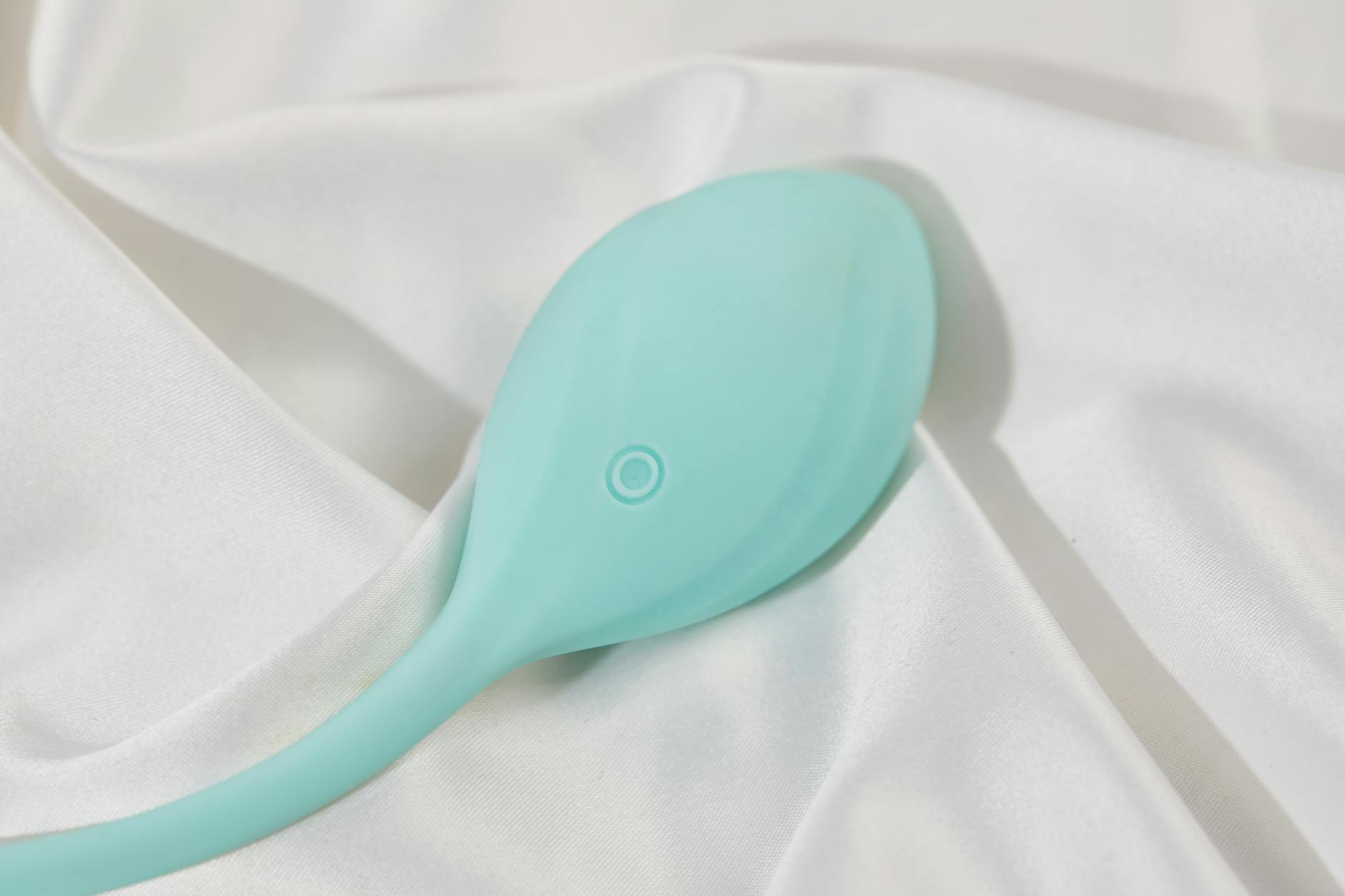
A lemon vibrator (like the Lem, our flagship clitoral vibrator) uses air-pulse technology instead of traditional vibration. Instead of buzzing against your skin, it creates gentle suction and release patterns over the clitoral area. Think of it less like a jackhammer and more like a mouth.
The mechanism is simple but clever. Air pulses stimulate the nerve endings without direct mechanical pressure. The tissue isn't being compressed rhythmically. Instead, it's being gently enveloped and released. That distinction changes everything about how the experience feels and how long you can sustain it.
Traditional vibrators demand pressure to feel like anything. Most people increase intensity after a few minutes because the sensation plateaus. Lemon suction vibrators don't have that problem. The stimulation stays novel because the technology is fundamentally different.
Why lower pressure actually feels better
There are three concrete reasons why this matters.
First: nerve sensitivity stays constant. With a conventional vibrator, your nerve endings adapt to the stimulus pretty quickly. That's called habituation. After about ten minutes, the same buzz feels duller, so you unconsciously increase pressure or speed. With a lemon clitoral vibrator, the pulsing pattern and suction sensation don't trigger that same adaptation mechanism as aggressively. Your body doesn't build tolerance as fast.
Second: you can last longer. When you're not applying direct pressure, you're not fatiguing the tissue. No inflammation means no sensitivity drop-off. People using the Lem report being able to enjoy it for 30, 40, even 60 minutes without discomfort. Try that with a traditional vibrator and most people tap out at 15 minutes because their clitoris is basically numb.
Third: orgasms feel different in a good way. With lower, gentler pressure, the orgasm builds more gradually and often feels more full-body. Traditional vibrators tend to produce sharp, localized sensations. Suction-based stimulation tends to create waves. That's not universally true, but it's a pattern you'll see across the clitoral vibrator community.
The science of air-pulse technology
Clitoral suction vibrators work on a principle that's been used in medicine for decades. Negative pressure (suction) has been shown to increase blood flow and nerve sensitivity. When you apply gentle suction to the clitoral area, you're increasing engorgement and making the tissue more responsive, not less.
Traditional vibration, by contrast, works through shear force. The vibration is applied perpendicular to the skin. Over time, this can lead to temporary nerve compression and localized numbness. It's not permanent, but it's real. Some people experience this as a tingling sensation after using a traditional vibrator for an extended period. Others don't notice it at all. But with suction-based stimulation like the Lem, that risk is significantly lower.
The pattern of stimulation also matters. Most lemon vibrators offer multiple pulse patterns, not just one speed. Your nervous system responds to variation. The more diverse the input, the less quickly you habituate. A toy that can shift between seven different pulse modes keeps your nervous system engaged in a way that a standard bullet vibrator simply can't.
Who benefits most from lower-pressure toys
Three groups in particular notice the difference immediately.
People with sensitive skin or tissue. If you have vulvodynia, lichen sclerosus, or just naturally reactive tissue, direct pressure can feel sharp or uncomfortable. Suction-based stimulation is gentler by design. Many people who've had painful experiences with traditional vibrators find that a lemon clitoral vibrator feels completely different. Not just different in intensity, but different in kind.
People recovering from injury or dealing with chronic pain. If you have pelvic floor dysfunction, endometriosis, or you're healing from childbirth, anything that requires less pressure on the area is a win. The Lem works particularly well here because it delivers intense sensation without requiring you to tolerate direct mechanical stress.
People who want to explore sensation for longer. If you've ever wanted to spend an hour just exploring your own pleasure without feeling like your body is shutting down, lower-pressure stimulation is the difference. The Lem is built for that. Traditional vibrators aren't.
How to transition if you're used to traditional vibrators
If you've been using bullets or wands, a suction vibrator might feel weird at first. The sensation is different enough that your brain might not immediately register it as "working." Here's how to set yourself up for success.
Start with the lightest suction setting. Seriously. The Lem has intensity levels starting at one. Most people who jump to level three or four complain that it feels too intense or not pleasurable. That's almost always because they're not starting low enough. Give your nervous system time to recognize what's happening.
Spend time just enjoying the sensation without aiming for orgasm. This is genuinely useful advice. When you're goal-oriented about orgasm, you tense up. When you tense up, you miss the nuances of what the toy is actually doing. Lemon vibrators shine when you're paying attention to sensation, not chasing a finish line.
If you have a partner, use it together first. There's something about watching your partner's reaction that helps you understand what the sensation is doing. Plus, curiosity is contagious. If they seem into it, you'll relax more.
The long-term comfort angle
Here's what I tell clients: your body is not a machine that needs harder and harder input to function. Your pleasure is not about calibrating stimulation intensity the way you'd turn up a dial on an amp. It's about finding tools that work with your nervous system rather than against it.
Traditional vibrators work. But they require escalating pressure and speed to maintain novelty. That's not a design flaw exactly, but it's a limiting design principle. Lemon suction vibrators work differently because they use a completely different mechanism to trigger nerve response. No escalation needed. No habituation required. Just consistent, varied stimulation that your body keeps responding to.
If you've been using traditional toys for years and never questioned whether they were the best option, it's worth trying a lemon clitoral vibrator once just to feel the difference. You might realize you've been working harder than you needed to.
FAQ: Lower-pressure vibrators and clitoral health
Q: Does using a low-pressure vibrator mean I need to retrain my body?
Not exactly. Your body doesn't "forget" how to respond to traditional vibrators. But you might find that you prefer the lower-pressure experience once you've tried it. It's not retraining so much as discovering what feels better. Think of it like switching from a standard pillow to a memory foam one. Your head works fine with either, but one might feel noticeably better.
Q: Can I use a lemon vibrator with a partner, or is it just for solo play?
Absolutely for partnered use. In fact, many couples find that switching to a suction-based toy makes partnered sex more comfortable because there's less pressure involved. If you've been hesitant to introduce a toy because traditional vibrators felt too intense or numbing, a lemon clitoral vibrator is often the bridge that makes it work for both people.
Q: Will a low-pressure vibrator feel less intense than what I'm used to?
Not necessarily. Intensity and pressure are different. A suction vibrator can deliver very intense sensation without requiring high pressure. Once you're used to it, many people report that the Lem feels as intense or more intense than traditional toys, just in a different way. The key is giving yourself time to adjust.
Q: Are there any downsides to suction vibrators?
The main one is learning curve. If you're expecting a traditional vibrator experience, suction takes a few tries to click. Some people also find that the suction sensation feels unusual at first. That's normal. The other consideration is that suction vibrators tend to be pricier than basic bullets. But you're paying for technology that works differently, not just a fancier package.
Q: Can I use a lemon vibrator if I have numbness from previous vibrators?
Yes. In fact, many people who've experienced temporary numbness from traditional vibrators find that switching to suction-based stimulation helps their sensitivity return faster. The lower pressure gives your nerves a chance to recover while still providing pleasurable sensation.
Q: How do I know if a low-pressure vibrator is right for me?
If you've noticed any of these things, it's worth trying: you need increasingly higher speeds with traditional vibrators; you experience numbness or tingling after use; direct pressure feels uncomfortable; you want to extend your pleasure sessions; or you just want to try something that works differently. The Lem is designed for all of those situations.
The bigger picture
Your pleasure matters. That sounds obvious, but so many people have spent years using vibrators that demand more and more from their bodies instead of working with their bodies. Lower-pressure stimulation isn't about being gentler because you need gentleness. It's about choosing a tool that's smarter by design.
Lemon suction vibrators like the Lem represent a shift in how we think about clitoral toys. Instead of asking "how much pressure do we need to create sensation," the question becomes "what's the most efficient way to stimulate nerve endings without fatigue." The answer, as it turns out, is air-pulse technology.
If you're curious about what that feels like, the easiest place to start is understanding how it's different from what you already know. Then try one. Your nervous system will tell you the rest.
Ready to explore? Check out our getting started guide or reach out to chat through what might work for you.