Let's talk about numbness nobody discusses
You touch yourself and feel almost nothing. Your partner tries and it's like they're touching someone else's body. You've heard of death grip. You've tried everything. Nothing lands the way it used to.
Desensitization is real, it's common, and it's fixable. Here's what's happening and why lemon vibrators work so well for bringing sensation back.
What causes clitoral numbness in the first place
Desensitization comes from a few sources, sometimes layered together.
Overuse or intense friction. The most obvious culprit. If you've spent years using the same heavy vibrator on high, or grinding hard during solo sessions, the nerve endings in your clitoris adapt. Your nervous system literally raises the threshold for what registers as "sensation." It's protective in the short term. Over months or years, it becomes a trap.
Hormonal changes. Progesterone-heavy birth control, low testosterone, cortisol from chronic stress. All of these shift how neural signals fire and how sensitive tissue responds. Your clitoris might be fine structurally, but the wiring isn't lighting up the way it used to.
Anxiety and dissociation. This is the one people miss. If you've been stressed, grieving, or disconnected from your body for months, your nervous system literally dampens sensation as a protection mechanism. It's not a choice. Your brain is preventing you from feeling too much.
Medication side effects. SSRIs, some blood pressure meds, antihistamines. They flatten sensation across the board, not just pleasure.
The good news: numbness is usually about signal volume, not permanent damage. You have the nerve endings. You have the capacity. The pathway just needs recalibration.
Why lemon vibrators are different for desensitization recovery
Most vibrators send a constant, intense signal. For someone with normal sensation, that's fine. For someone desensitized, it often backfires. The signal is so strong it overwhelms the sensitive neurons, making them shut down harder. You chase intensity, get nothing, feel worse.
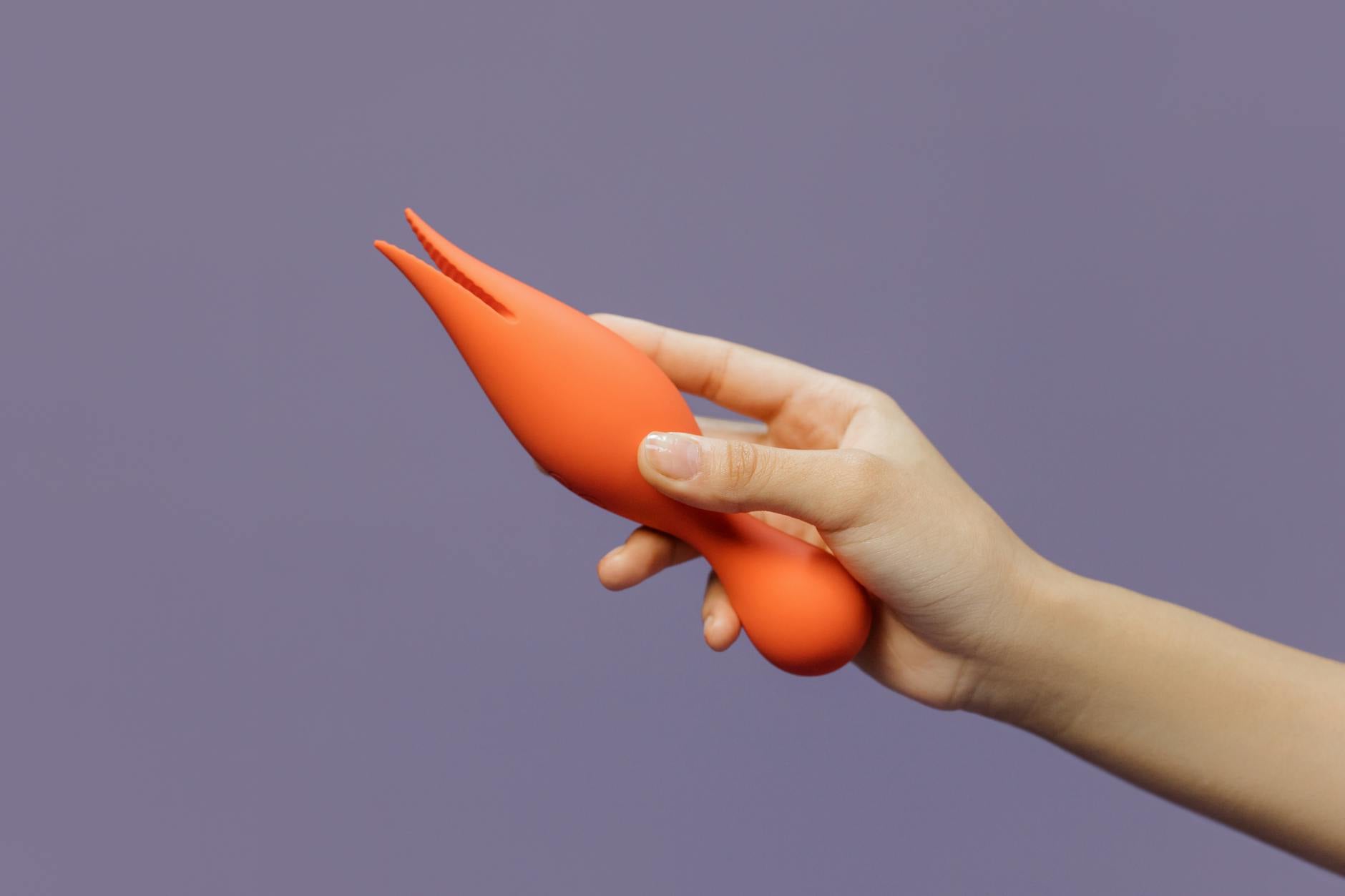
Lemon clitoral vibrators work through suction and gentle pulsation instead of direct vibration. This matters enormously for desensitization recovery.
The mechanism is gentler. Suction creates a broader, more diffuse sensation across the entire clitoral head, not a pinpoint buzz. For someone whose nerves are dulled, this wider contact area actually sends a clearer signal because it engages more nerve endings at once.
The rhythm mimics natural arousal. A lemon vibrator's pulsing pattern loosely mirrors the involuntary contractions your body makes during natural arousal. This resonates better with your nervous system than a constant frequency. Your body recognizes it as "right" and responds faster.
It doesn't trigger shutdown. People with desensitization often have a nervous system that's primed to defend. When they feel a harsh vibration, the pelvic floor tenses, breathing stops, the clitoris retracts. None of that happens with gentler suction. The nervous system stays open.
How to actually rebuild sensation with a lemon vibrator
This is not about pushing through numbness. It's about coaxing your nervous system back online.
Start with settings 1 and 2, not 3 or higher. You're not trying to make anything happen right now. You're sending small signals to your nervous system. "We're safe. We're paying attention. Sensation is welcome."
Build a ritual around it. Not sex. Specifically, a 15-20 minute sensation reset. Same time most days if possible. This consistency trains your nervous system that pleasure time is predictable and safe. No pressure to orgasm. Just presence.
Use it externally first, anywhere. Thighs, labia, perineum, breasts. For at least a week, keep the lemon vibrator off the clitoris itself. You're reintroducing sensation broadly so your nervous system doesn't feel targeted or invaded. Many people's numbness softens just from this alone.
When you do touch the clitoris, use pattern mode, not steady vibration. The pulsing rhythm is less likely to trigger shutdown. Try the slower, gentler pulse patterns. Faster patterns come later.
Add lubrication, always. Even if you normally don't need it. Lube reduces friction and makes the sensation cleaner. A numbed nervous system benefits from less noise, more signal.
Breathe deeply and often. Desensitization and breath holding go together. When you hold your breath, you're literally constricting blood flow to the vulva and tensing the pelvic floor. Slow, intentional breathing opens everything up. Inhale for 4, exhale for 6. Boring but necessary.
The timeline for getting sensation back
This varies wildly. Some people notice changes in two weeks. Others take two months. Consistency matters more than intensity.
You should see small shifts before big ones. A feeling of warmth where there was numbness. A brief moment of actual pleasure instead of nothing. A flinch or small contraction, which means the nerve is waking up. Those micro-signals are real progress.
If you see zero change after 8-10 weeks, check your medications with your doctor, and consider talking to a pelvic floor physical therapist. Sometimes the numbness has a physical cause that needs hands-on treatment.
What else helps alongside the lemon vibrator
Cortisol management. Chronic stress keeps your nervous system locked in protection mode. Whatever gets your stress down helps. That might be walks, therapy, meditation, or just sleep. It's not separate from pleasure recovery. It's foundational.
Solo sessions before partnered ones. You need to know what you feel, alone, before adding someone else's touch into the mix. Solo practice gives you data about what's working and what isn't. Use that data to guide partnered touch later.
Communication with your partner, if applicable. Tell them what's happening. "My nervous system needs gentle, no pressure." Most partners will actually soften and pay more attention once they understand it's not rejection. If how to introduce a lemon vibrator to your partner without awkwardness feels relevant, that piece covers how to have this conversation.
Limit solo intensity in the meantime. If you've been using a heavy-duty vibrator on high, pause that. Not forever. Just while you're retraining. You're building new neural pathways. You can't do that while simultaneously running the old intense pathway.
When numbness is tied to something bigger
Sometimes desensitization is purely mechanical. Sometimes it's a symptom of something else going on.
If the numbness arrived suddenly alongside mood changes, that might be depression or anxiety. If it came after starting medication, that's worth discussing with your doctor. If it's been years and you've also lost interest in things you loved, that's bigger than vibrator technique.
Sex and pleasure are often the early warning system for mental health shifts. When sensation goes quiet, sometimes it's your body telling you something needs attention beyond Helo Nancy Shop products. Listen to that.
The recovery timeline is usually faster when you're addressing the root cause. Talk to someone if the numbness feels tied to your mood, your relationship, or your overall wellbeing.
People also ask
How do I know if my numbness is permanent?
It almost never is. Clitoral nerve endings have extraordinary capacity to retrain and resensitize, even after years of numbness. The barrier is usually psychological (expecting it to stay numb) or logistical (not using the right technique). If your clitoris can still swell during arousal, the nerves are there. Numbness is almost always a signaling problem, not a nerve death problem.
Can I use a regular vibrator, or do I really need a lemon vibrator specifically?
You don't need a lemon vibrator specifically. But the suction mechanism is genuinely better for desensitization than direct vibration. If you have one already, by all means use it. A lemon clitoral vibrator is worth trying if you've been numb for months and nothing else has worked, because the mechanism is just that different.
How long until I feel normal again?
Small changes in 2-4 weeks. Meaningful shifts in 6-8 weeks. Full resensitization sometimes takes 3-6 months, depending on how long you were numb and what caused it. Consistency beats urgency. A 15-minute session five times a week beats an hour of frustrated pressure once a month.
Is numbness my fault? Did I break myself?
No. Desensitization is how your nervous system protects you. It's not a moral failure or a sign you're broken. Bodies adapt to their environment. That's healthy. The adaptation just needs to shift back. You reset it the same way you created it. Patiently, repeatedly, with gentleness instead of force.
My partner can feel everything fine. Why can't I?
Bodies are different, nervous systems are different, and sensation is subjective. But if you've lost sensation you used to have, that's not a comparison problem. That's your specific nervous system asking for something different. The solutions are the same regardless of what your partner experiences. Solo practice works regardless of anyone else's baseline.
What if numbness comes back after it gets better?
It usually doesn't, once you've reset it. But if you go back to the old intense patterns, same thing that created numbness the first time will recreate it. Maintenance means staying gentler than you think you need to. Some people find they actually prefer the lemon vibrator indefinitely because it feels better, not just because of recovery. That's totally normal.
The actual path forward
Desensitization is fixable. Not with one session. Not with white-knuckle willpower. With patience, the right tool, and a nervous system that actually wants to feel again. A lemon vibrator is that tool because it speaks the language your dulled nervous system can actually hear right now.
Start low. Stay consistent. Give it time. Your sensation will come back. And when it does, it often feels richer than before, because you've learned what rebuilding feels like.
If you want support thinking through what caused your numbness or what recovery might look like for your specific situation, reach out to us. We're here to help.