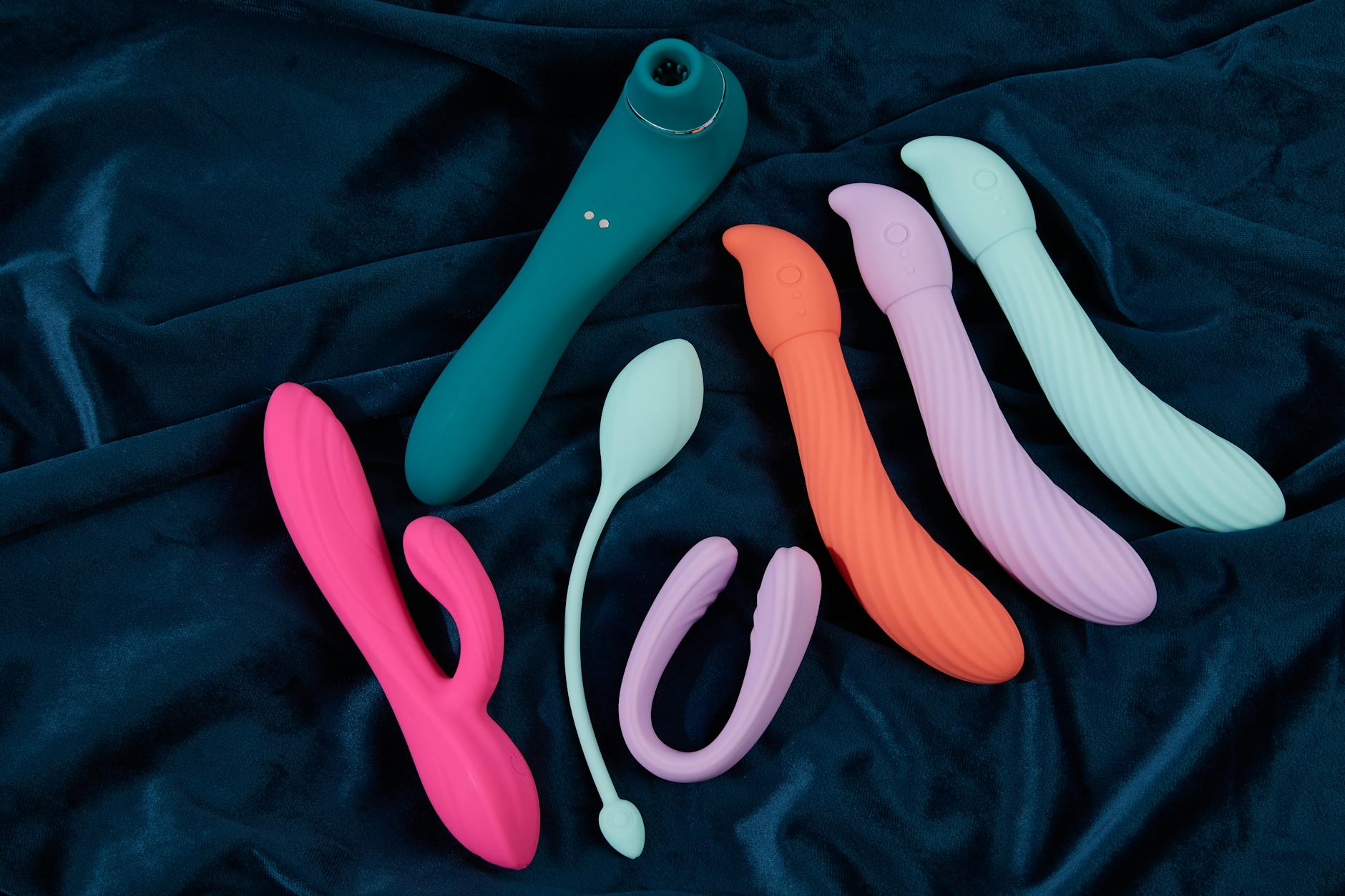
Let's be real about pleasure after 40
Your body doesn't stop caring about sensation in your 40s. It changes how it cares about it. And honestly, most of what you've heard about desire declining with age is either outdated research or someone projecting their own relationship trouble onto biology.
What actually happens is more interesting: your clitoris evolves. The tissue changes, the nerves stay sharp, and the way you respond to stimulation shifts in ways that can actually make pleasure more intense, not less.
This is where lemon vibrators become quietly brilliant.
The neuroscience of sensation after 40
Your clitoris contains 8,000 nerve endings. That number doesn't drop after 40. What does change is how those nerves talk to your brain and what kind of stimulation makes them light up most efficiently.
In your 20s and 30s, direct, high-frequency vibration works fast. Your tissues are plump with estrogen, your clitoral glans is more exposed, and a bullet-style vibrator feels great because it broadcasts the signal loudly.
After 40, especially if you're in perimenopause or beyond, tissue density shifts. The clitoral hood may sit slightly differently. The clitoris itself can become a bit more retracted. This isn't damage. It's not decline. It's structural change, the same way a woman's face changes or her posture shifts as she ages.
Here's what matters: clitoral suction technology, which is what lemon vibrators use, works with this change instead of against it. Suction doesn't rely on direct high-frequency percussion. It creates a gentle seal and rhythmic pulse that draws blood into the clitoris, building sensation gradually. For bodies after 40, that progression often feels more natural and generates stronger, longer orgasms.
Why suction wins for bodies in midlife
A lemon clitoral vibrator works through air-pulse suction rather than traditional vibration. Here's the practical difference.
Bullet vibrators apply vibration directly to tissue. They're fast and efficient, but they require the clitoris to be in exactly the right position, and they can feel intense or even uncomfortable if the tissue is more sensitive or less plump than it was at 25.
A lemon vibrator creates suction around the clitoral area, stimulating the entire clitoral network, not just the glans. As you move through your 40s, 50s, and beyond, this approach resonates more because it doesn't demand precision positioning or tolerance for direct friction. The sensation builds in layers rather than hitting all at once.
Many of my clients who've struggled with sensation in their 40s report that they have their strongest orgasms ever once they switch to a lemon sucker. That's not coincidence. It's physiology meeting technology.
Hormonal context matters, but it's not destiny
Estrogen and testosterone both decline gradually starting in your 30s, with bigger shifts in perimenopause and menopause. Lower estrogen can mean thinner clitoral tissue, less natural lubrication, and sometimes increased sensitivity or, conversely, decreased responsiveness.
But here's what a lot of sex education misses: that same hormonal shift often brings psychological changes that amplify pleasure. Less cognitive noise around fertility. Permission to prioritize your own sensation for the first time. A partner who's also navigated midlife and knows themselves better. Sometimes freedom from a relationship that wasn't serving you anymore.
Those factors matter more for sexual satisfaction than the hormone numbers themselves.
That said, if arousal is genuinely harder to reach or orgasm has become painful, that's worth mentioning to a doctor. Topical estrogen, vaginal moisturizer, or sometimes testosterone therapy can help. But most people in their 40s don't need medical intervention. They need the right tool and permission to experiment.
The practice effect is real
You've had 20+ years of sexual experience by your 40s. Your nervous system knows your body in ways it didn't at 25. You likely know what you want and what you don't. You're probably less apologetic about asking for it.
That experience itself amplifies pleasure. Research on sexual satisfaction across lifespan shows that people in their 40s and 50s often report higher satisfaction than people in their 20s, even when frequency is lower. Why? Because they know their bodies, they know their partners, and they've stopped performing and started enjoying.
A lemon vibrator pairs well with that self-knowledge. You can experiment with different intensity levels, patterns, and positions in ways you might not have at 25, when novelty and speed mattered more. You can breathe differently. You can slow down. You can layer sensations.
Practical setup for your 40s
If you're exploring lemon clitoral vibrators for the first time after 40, here's what helps.
Start with lower intensity settings. The air-suction patterns on devices like the Hello Nancy Lem start gentle by design, but your nervous system may need a moment to recognize what's happening. Let yourself spend 10-15 minutes on the gentlest setting before moving up.
Lubricant matters more now. Even if lubrication has never been an issue before, water-based lube creates a better seal for suction toys and can reduce any minor discomfort from thinner tissue. It's not remedial. It's optimization.
Position yourself comfortably. You're not performing for anyone. If you need a pillow under your hips or you want to be fully clothed except for what you need exposed, that's fine. The clitoris responds to what feels good, not to what looks good.
Building arousal first makes the experience exponentially better. Read something, watch something, think about something that turns you on. Spend time on foreplay with a partner or solo touching. Lemon vibrators work best when you're already partially aroused, not as a cold start.
The mental shift that changes everything
In my practice, I see women in their 40s and beyond struggle less with sensation than with permission. We've spent decades in a culture that suggests women's sexuality has an expiration date around 35 or so. Every commercial, every joke, every medical resource subtly positions desire as something that leaks away as you age.
It doesn't.
Your pleasure after 40 isn't a consolation prize for lost youth. It's often genuinely better because you know yourself, you've dropped some of the anxiety and performance pressure, and you're willing to invest time in what actually feels good rather than what you thought was supposed to feel good.
A lemon vibrator is just a tool. The real shift is giving yourself permission to use it, to experiment, to prioritize sensation, and to trust that your body's response at 45 or 55 is valid and worth exploring even if it looks different from what you expected.
Common questions about lemon vibrators after 40
Is it normal to need vibration after 40 when I didn't before?
Completely. Tissue changes, hormones shift, and what worked at 25 might not hit the same way at 45. That's not dysfunction. It's adaptation. Many people find they need more targeted or different stimulation in midlife, and that's when devices like lemon vibrators often become game-changers. Your body isn't broken. The tool is just evolved.
Can lemon vibrators cause numbness if I use them regularly?
Numbness happens with high-frequency direct vibration when overused. Lemon clitoral vibrators use suction pulses rather than vibration, which stimulates differently. If you're concerned, take breaks between sessions and vary your stimulation methods. Your nervous system is smart and will tell you if something isn't working.
Will using a vibrator make partnered sex less satisfying?
No. If anything, knowing what you actually respond to makes partnered sex better because you can communicate what you want. Using a lemon vibrator solo teaches you about your own arousal and sensation. That knowledge translates to better intimacy with a partner. How to Talk About Lemon Vibrators With Your Partner has specific language for that conversation if you're nervous.
Does arousal really take longer after 40?
Yes, typically. Your nervous system becomes more discriminate about what counts as arousing. That's not decline. It's selectivity. You're less likely to be triggered by random external stimuli and more likely to need mental engagement or specific conditions. That's actually healthier and often leads to more satisfying arousal when it does happen.
How do I know if I should talk to a doctor about changes in sensation?
If arousal has become impossible despite genuine desire, if orgasm is painful, or if sensation has completely disappeared and isn't returning after a few weeks of exploration, that's worth mentioning. Otherwise, using the right tool and giving yourself time is usually enough. Lemon Vibrator for Sensitive Skin covers this in more detail.
Is it too late to start exploring if I haven't used vibrators before?
Absolutely not. Pleasure doesn't have an expiration date. If you're curious, you have permission. Your body at 40, 50, or 60 deserves the same exploration and care you'd give yourself at 25. Starting now doesn't mean you lost time. It means you're starting now.
The bottom line
Your 40s aren't the beginning of the end of pleasure. They're often the beginning of better pleasure because you finally know yourself, you're willing to prioritize sensation, and the right tool makes a real difference.
Lemon vibrators work exceptionally well for bodies in midlife and beyond because they meet the physiological shifts with technology that aligns with how your body actually responds at this stage. That's not settling. That's optimization.
You deserve pleasure that feels good now, not pleasure designed for who you were 20 years ago. If you're curious about exploring, we're here to help. Reach out anytime at contact us.